4,459 species
Species native to Guinea, Føroyar, Samoa and 5 more
- Native to Guinea ×
- Native to Føroyar ×
- Native to Samoa ×
- Native to Saskatchewan ×
- Native to Netherlands ×
- Native to Switzerland ×
- Native to Caroline Is. ×
- Native to Chile South ×
- Clear all
1 more species, whose range Kew gives only as Southern America as a whole, are not counted here: see them there.
 Rhododendron groenlandicum Bog Labrador tea Photo: CC BY-SA, CatherineK
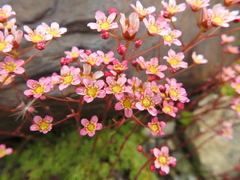 Saxifraga paniculata Livelong saxifrage Photo: CC BY, amantedarmanin
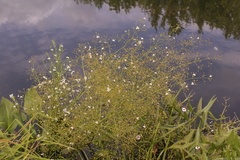 Alisma plantago-aquatica European water plantain Photo: CC BY, Юлия Медведько
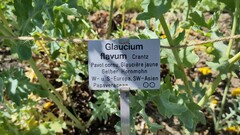 Glaucium flavum Yellow horned-poppy Photo: CC0, dbgi
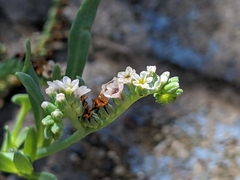 Heliotropium curassavicum Seaside heliotrope Photo: CC BY, Ken-ichi Ueda
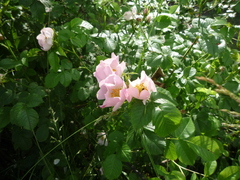 Rosa corymbifera Corymb Rose Photo: CC BY, Oleksandr Shynder
 Rosa × alba White rose of York Photo: CC BY, Oleksandr Shynder
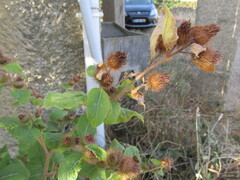 Arctium minus Lesser burdock Photo: CC BY, zebedeugalinha
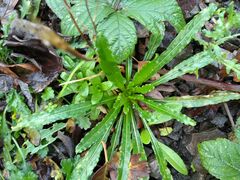 Reseda luteola Weld Photo: CC BY, Karen Fry
 Butomus umbellatus Flowering rush Photo: CC0, Frances Robertson
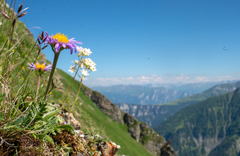 Aster alpinus Alpine aster Photo: CC BY, Gergely Nigg
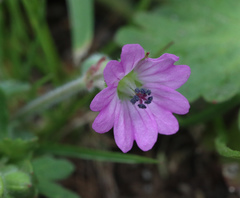 Geranium molle Dove's-foot crane's-bill Photo: CC0, Tero Linjama
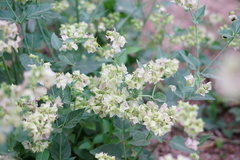 Mirabilis nyctaginea Wild Four O'clock Photo: CC BY, Maheva B Laursen
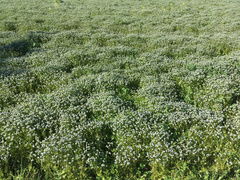 Valeriana locusta Photo: CC BY, Jon Sullivan
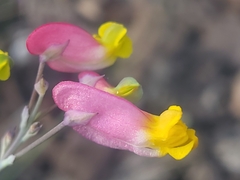 Capnoides sempervirens Rock harlequin Photo: CC BY, Brandon McCracken
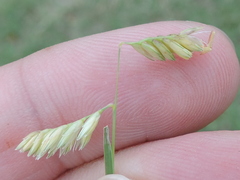 Bouteloua dactyloides Buffalograss Photo: CC BY, Sam Kieschnick
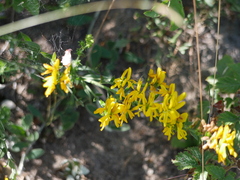 Genista tinctoria Dyer's greenweed Photo: CC BY, Johan Kjær Prehn
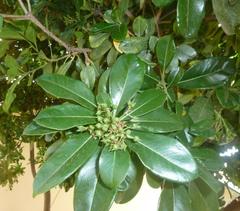 Pittosporum viridiflorum Cape cheesewood Photo: CC BY-SA, M Kriek
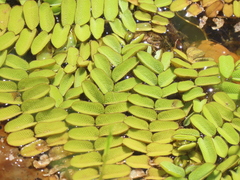 Salvinia natans Floating watermoss Photo: CC BY, chiuluan
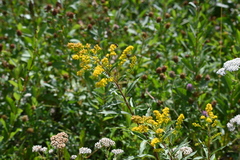 Solidago lepida Elegant goldenrod Photo: CC BY, Syd Cannings
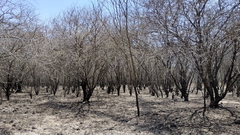 Vachellia nilotica Gum arabic tree Photo: CC BY, ꦥꦤ꧀ꦗꦶꦒꦸꦱ꧀ꦠꦶꦄꦏ꧀ꦧꦂ
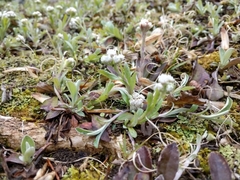 Antennaria neglecta Field pussytoes Photo: CC BY, Taro Ietaka
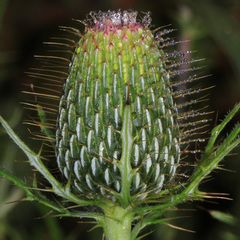 Cirsium discolor Field thistle Photo: CC BY-SA, Judy Gallagher
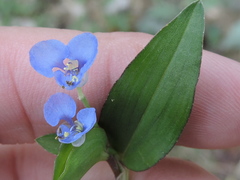 Commelina diffusa Climbing dayflower Photo: CC BY, Sam Kieschnick
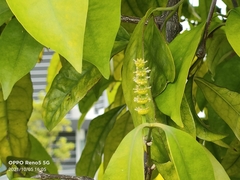 Gnetum gnemon Spanish joint-fir Photo: CC BY-SA, Ong Jyh Seng
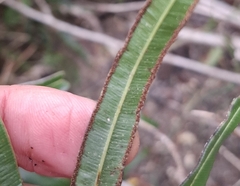 Pteris cretica Ribbon fern Photo: CC0, John Barnett
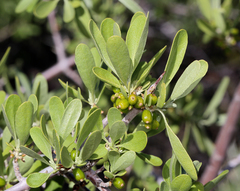 Shepherdia argentea Silver buffaloberry Photo: CC BY, Steve Matson
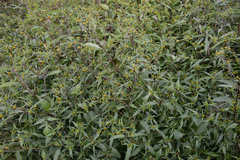 Bidens frondosa Beggarticks Photo: CC BY, Jon Sullivan
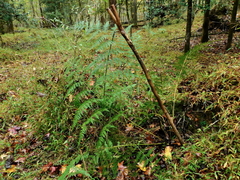 Macrothelypteris torresiana Swordfern Photo: CC BY, Michael J. Papay
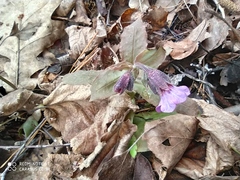 Pulmonaria obscura Unspotted lungwort Photo: CC BY, Maxim Shashkov
 Spirodela polyrhiza Greater duckweed Photo: CC BY, Victor Engel
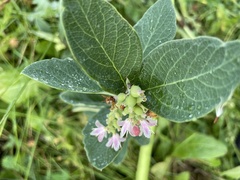 Symphoricarpos occidentalis Wolfberry Photo: CC0, dregyn
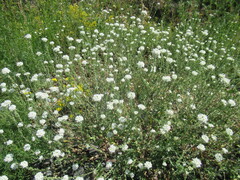 Berteroa incana Hoary alison Photo: CC0, Сергей
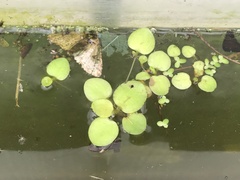 Hydrocharis laevigata West Indian Spongeplant Photo: CC BY, Victor Engel
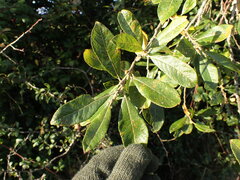 Salix cinerea Grey willow Photo: CC0, Sam Buckton
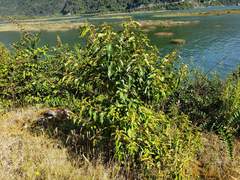 Aristotelia chilensis Chilean Wineberry Photo: CC BY, Cesar Ormazabal
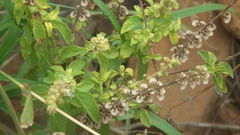 Ocimum americanum American basil Photo: CC BY, Shaun Swanepoel
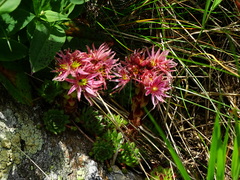 Sempervivum montanum Mountain house-leek Photo: CC BY, Christian Berg
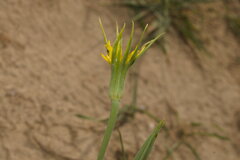 Tragopogon dubius Yellow salsify Photo: CC BY, Bobo-X
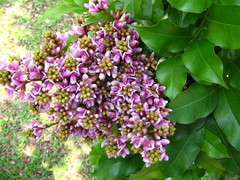 Andira inermis Cabbagebark tree Photo: CC BY-SA, Ong Jyh Seng
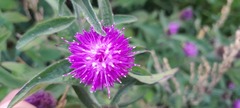 Centaurea nigra Lesser knapweed Photo: CC BY-SA, Charles Stirton
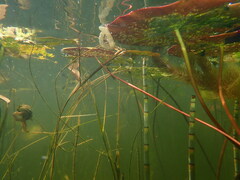 Nymphaea candida White water lily Photo: CC BY, Марина Садыкова
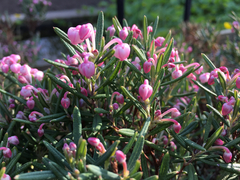 Andromeda polifolia Bog-rosemary Photo: CC0, Alan Weakley
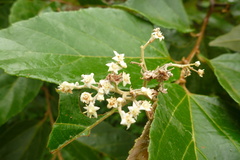 Commersonia bartramia Brown kurrajong Photo: CC BY, coenobita
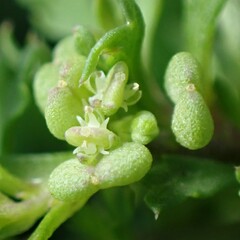 Lepidium didymum Lesser swinecress Photo: CC0, Darius Regnier
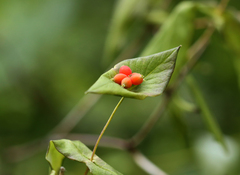 Lonicera dioica Limber honeysuckle Photo: CC BY, Christine Young
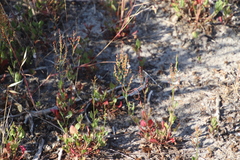 Rumex acetosella Sheep sorrel Photo: CC BY-SA, Tony Rebelo
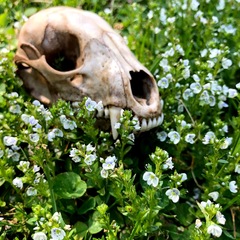 Veronica serpyllifolia Thymeleaf speedwell Photo: CC BY-SA, Nova Patch
Grown: iNaturalist's observations of the species marked captive or cultivated; "not counted" where the species list does not count it. Native ranges: Kew's World Checklist of Vascular Plants (Govaerts et al., CC BY 4.0), file of 4 June 2026. Grown: iNaturalist's observations marked captive or cultivated, counted 17 October 2026 (the species list's count). Habitat climate known: the species page has a habitat climate, read from CHELSA's monthly climate and NASA POWER's daily extremes at its well-placed wild records inside Kew's native range; each page says its own sources and days. Record low: the lowest night in NASA POWER's daily series at the habitat's typical spot, as the species page gives it, held in °C to a tenth and shown in your units; each page says its own years and day read. Counts as the reference built on 21 November 2026 holds them. The CSV holds every result, not only this page's.