 11 photographs ›
Summary
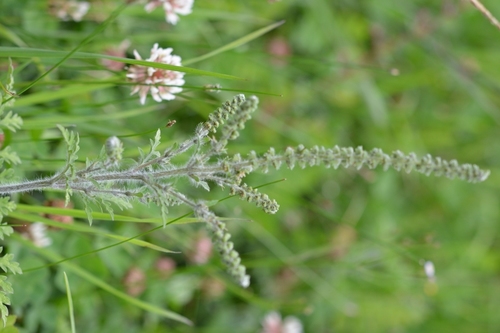
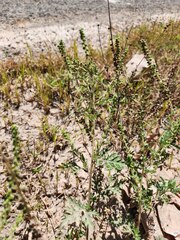
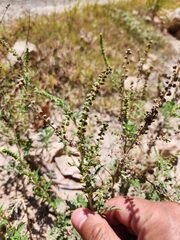
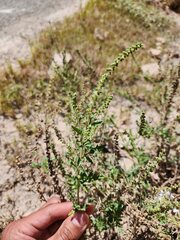
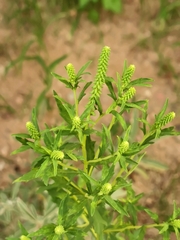
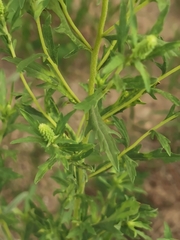
Ambrosia peruviana is a species of plant in the family Asteraceae. It occurs from Mexico south to Argentina, being common in the Antilles and the Andes.
Quoted from Wikipedia, "Ambrosia peruviana", CC BY-SA 4.0.
About the genus · Ambrosia
In the ancient Greek myths, ambrosia is the food or drink of the Greek gods, and is often depicted as conferring longevity or immortality upon whoever consumed it. It was brought to the gods in Olympus by doves and served either by Hebe or by Ganymede at the heavenly feast.
Quoted from Wikipedia, "Ambrosia", CC BY-SA 4.0.
Cultivation
Climate across the habitat
Natural habitat
How this section is made
Photographs

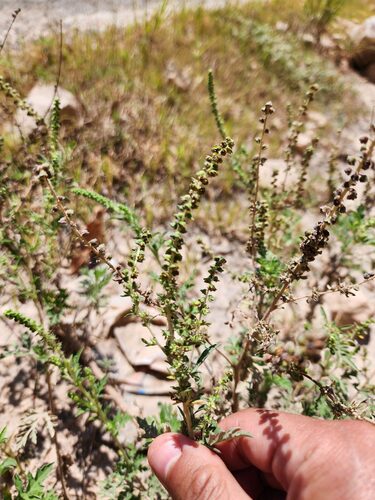
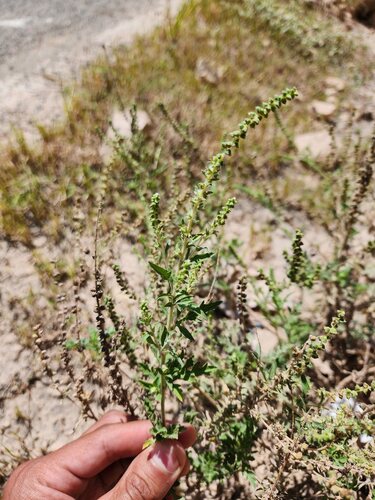


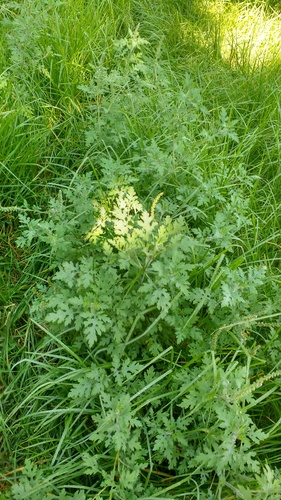
Photographs: (c) GREGORY ANTHONY PAUCA TANCO, some rights reserved (CC BY) (3); (c) M. Socorro González Elizondo, some rights reserved (CC BY-SA) (2); (c) ELOYJIMENEZ13, some rights reserved (CC BY-SA).
Related
Other Ambrosia 19 in the reference
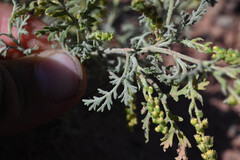 Ambrosia acanthicarpa Annual bursage Photo: CC BY, Anders Hastings
 Ambrosia ambrosioides Big bursage Photo: CC BY, Bruce Hartman
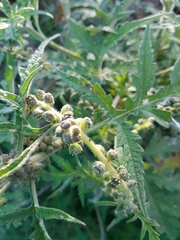 Ambrosia arborescens Asteraceae Photo: CC BY, Efrain Freire
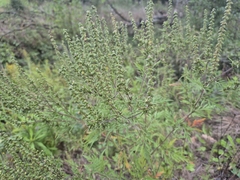 Ambrosia artemisiifolia Ragweed Photo: CC BY, Bobo-X
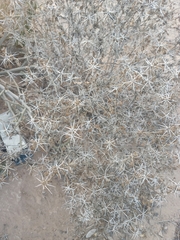 Ambrosia bryantii Asteraceae Photo: CC BY, Juan Cruzado Cortés
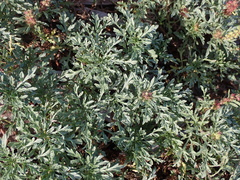 Ambrosia chamissonis Beachbur Photo: CC0, author not stated
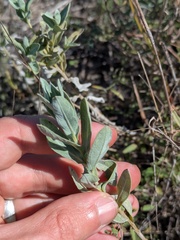 Ambrosia cheiranthifolia South Texas ambrosia Photo: CC BY, Eric Knight
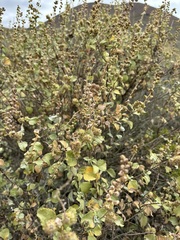 Ambrosia chenopodiifolia San Diego bursage Photo: CC BY, Sula Vanderplank
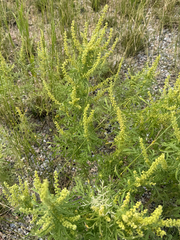 Ambrosia confertiflora Weakleaf burr ragweed Photo: CC BY, CK2AZ
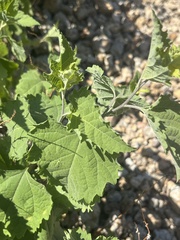 Ambrosia cordifolia Tucson burr ragweed Photo: CC0, author not stated
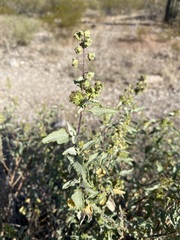 Ambrosia deltoidea Triangle bursage Photo: CC BY, Matt Berger
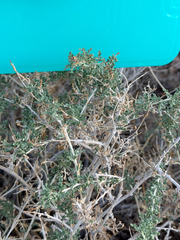 Ambrosia dumosa White bur-sage Photo: CC BY, CK2AZ all 20 ›
Names & registers
The record
Every figure here is derived from public data by a stated rule and names its source; nothing about this species is written for its page by a person or by AI, apart from the marked, credited quotations. How →
Where this page came from built 2026-10-21
gbif.species answeredasked 2026-10-21gbif.synonyms answeredasked 2026-10-21gbif.vernacular answeredasked 2026-10-21names fetched 2026-10-21wcvp.distribution answeredas of 2026-06-04gbif.occurrences answeredas of 2026-10-21GBIF occurrence download https://doi.org/10.15468/dl.hbdw64, of 2026-10-21; 3 records within 1 km of a botanic garden, herbarium or zoo left out (1 at a botanic garden or arboretum, 2 at a herbarium; Wikidata's list)climate nothing to reportasked 2026-10-21only 1 distinct land cell of the climate grid holds an in-range record placed to within 10 km; three are needed for an envelopewikidata answeredasked 2026-10-21found by its label; its POWO identifier 60466716-2 is Kew's for Ambrosia peruviana All.wikipedia answeredasked 2026-10-21inat.photos.wild answeredasked 2026-10-22from iNaturalist's open data of 2026-09-27: research-grade observations with an open-licence photograph, the 24 whose photographs iNaturalist received last (the open data holds no votes); filled 2026-10-22inat.photos.cultivated not askedgbif.media nothing to reportasked 2026-10-21commons answeredasked 2026-10-21openalex not askednot yet asked for this reference; a later fill takes the papers from OpenAlex's snapshotEvery source is recorded as having answered, reported nothing, refused, failed, not been asked, or answered twice where one answer is taken (“not taken: two items answered”), and, for a source asked when this page was built, when: the figures are as the source held them that day; a source read from a file (Kew's World Checklist, a GBIF download) says "as of" the file's day instead; a row carried from an earlier build of the page names that build instead. Only “nothing to report” is ever shown as an absence. Records came from 8 datasets via GBIF.org; each carries its own licence.