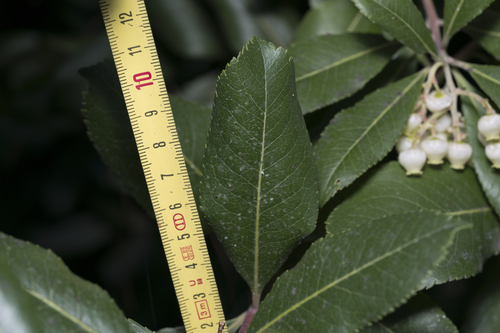
Arbutus × andrachnoides Link
Hybrid strawberry-tree
A hybrid: A. andrachne × A. unedo, the parents Kew's World Checklist states for it (WCVP, RBG Kew).


 15 photographs ›
Summary
Arbutus × andrachnoides, the hybrid strawberry-tree, is the result of a cross between Arbutus andrachne (eastern strawberry-tree) and Arbutus unedo (Irish strawberry tree). It is a naturally occurring hybrid, but hybrid cultivars have also been created. It has gained the RHS's Award of Garden Merit.
Quoted from Wikipedia, "Arbutus × andrachnoides", CC BY-SA 4.0.
About the genus · Arbutus
Arbutus is a genus of 12 accepted species of flowering plants in the family Ericaceae, native to temperate regions of the Mediterranean, western Europe, the Canary Islands and North America, and commonly called madrones, madronas, or strawberry trees. The name Arbutus was taken by taxonomists from Latin, where it referred to the species now designated Arbutus unedo.
Quoted from Wikipedia, "Arbutus", CC BY-SA 4.0.
Cultivation
Climate across the habitat
Natural habitat
Photographs
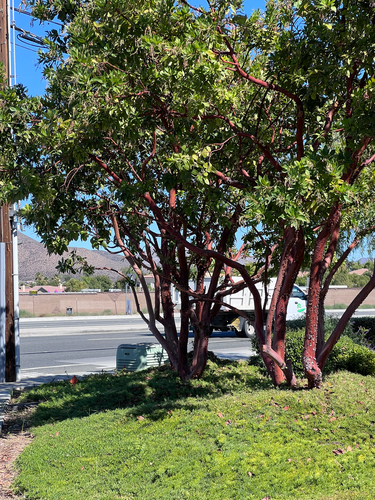
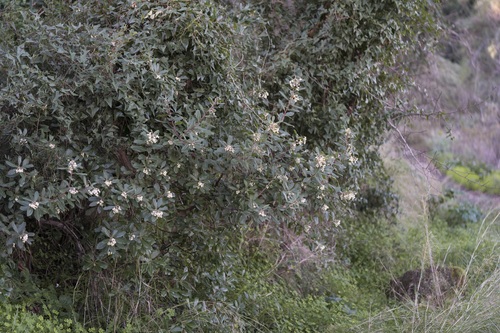
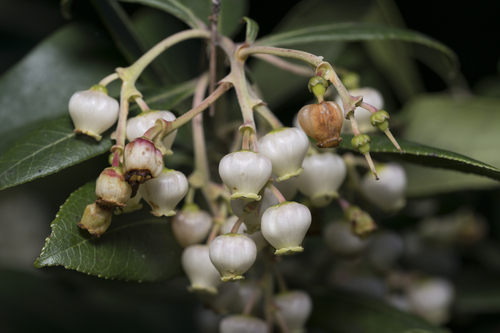
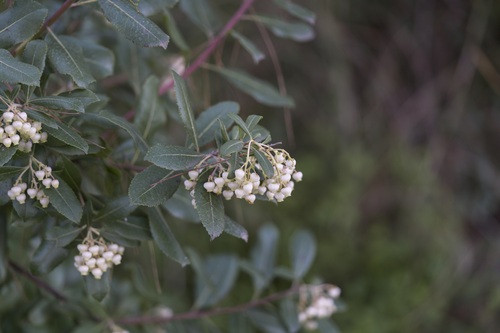
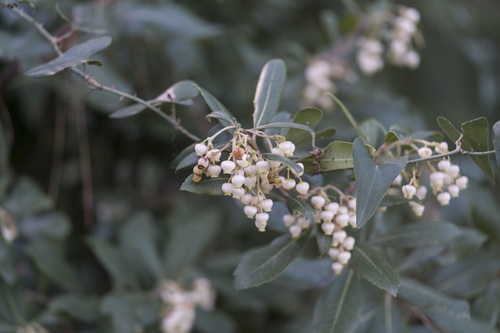
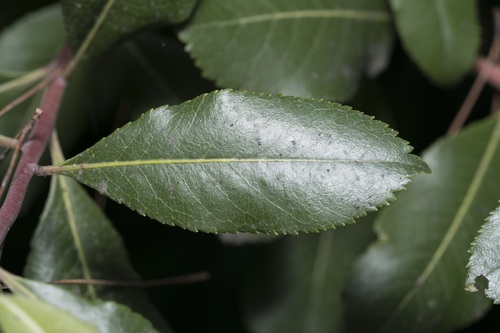
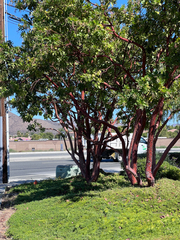
Photographs: author not stated, no rights reserved · CC0; (c) Eleftherios Katsillis, some rights reserved (CC BY) (5).
Related
Other Arbutus 7 in the reference
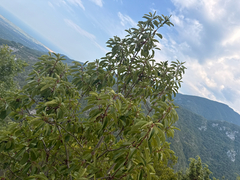 Arbutus andrachne Greek strawberry tree Photo: CC0, author not stated
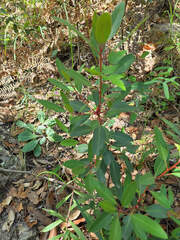 Arbutus arizonica Arizona madrone Photo: CC BY, Wendy McCrady
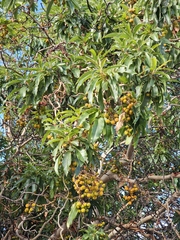 Arbutus canariensis Canary Islands Strawberry tree Photo: CC BY, Elizabete Marchante
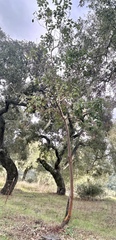 Arbutus menziesii Pacific madrone Photo: CC BY, Skyler K
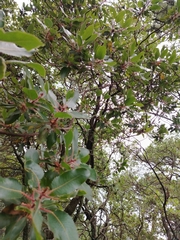 Arbutus tessellata Ericaceae Photo: CC BY, Carlos Martínez
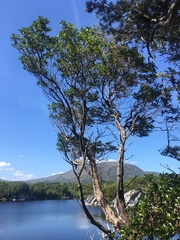 Arbutus unedo Strawberry tree Photo: CC BY, B. Phalan
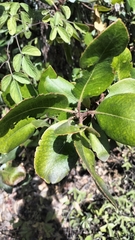 Arbutus xalapensis Texas madrone Photo: CC0, author not stated
Names & registers
The record
Every figure here is derived from public data by a stated rule and names its source; nothing about this species is written for its page by a person or by AI, apart from the marked, credited quotations. How →
Where this page came from built 2026-10-21
gbif.species answeredasked 2026-10-21gbif.synonyms answeredasked 2026-10-21gbif.vernacular answeredasked 2026-10-21names fetched 2026-10-21wcvp.distribution answeredas of 2026-06-04gbif.occurrences answeredas of 2026-10-21GBIF occurrence download https://doi.org/10.15468/dl.hbdw64, of 2026-10-21; 10 records within 1 km of a botanic garden, herbarium or zoo left out (10 at a botanic garden or arboretum; Wikidata's list)climate nothing to reportasked 2026-10-21only 2 distinct land cells of the climate grid hold an in-range record placed to within 10 km; three are needed for an envelopewikidata answeredasked 2026-10-21wikipedia answeredasked 2026-10-21inat.photos.wild answeredasked 2026-10-22from iNaturalist's open data of 2026-09-27: research-grade observations with an open-licence photograph, the 24 whose photographs iNaturalist received last (the open data holds no votes); filled 2026-10-22inat.photos.cultivated not askedgbif.media answeredasked 2026-10-21none of the photographs on this page is credited to GBIF: those shown are other sources', and GBIF's were the same photographs or were set aside by the photograph rulescommons answeredasked 2026-10-21openalex not askednot yet asked for this reference; a later fill takes the papers from OpenAlex's snapshotEvery source is recorded as having answered, reported nothing, refused, failed, not been asked, or answered twice where one answer is taken (“not taken: two items answered”), and, for a source asked when this page was built, when: the figures are as the source held them that day; a source read from a file (Kew's World Checklist, a GBIF download) says "as of" the file's day instead; a row carried from an earlier build of the page names that build instead. Only “nothing to report” is ever shown as an absence. Records came from 12 datasets via GBIF.org; each carries its own licence.