 13 photographs ›
About the genus · Armeria
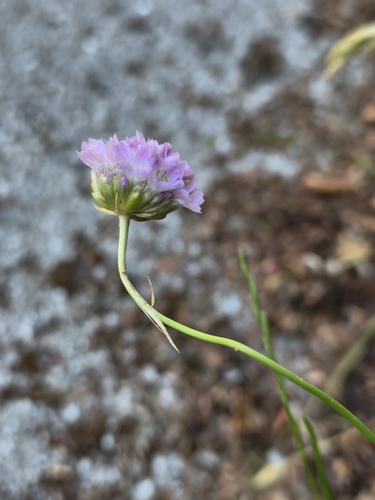
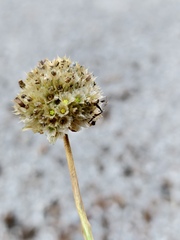
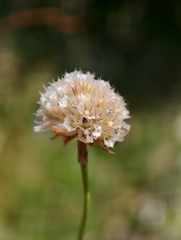
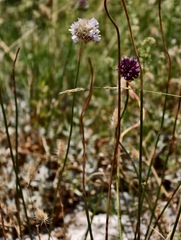
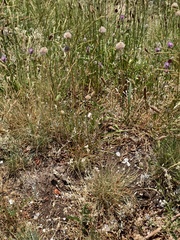
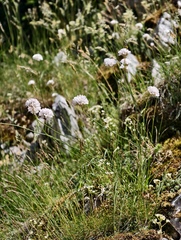
Armeria is a genus of flowering plants. These plants are sometimes known as lady's cushion, thrift, or sea pink. The genus counts over a hundred species, mostly native to the Mediterranean, although Armeria maritima is an exception, being distributed along the coasts of the Northern Hemisphere, including Ireland, parts of the United Kingdom such as Cornwall, and the Pembrokeshire Coast National Park in Wales.
Quoted from Wikipedia, "Armeria", CC BY-SA 4.0.
Cultivation
Climate across the habitat
Natural habitat
How this section is made
Photographs
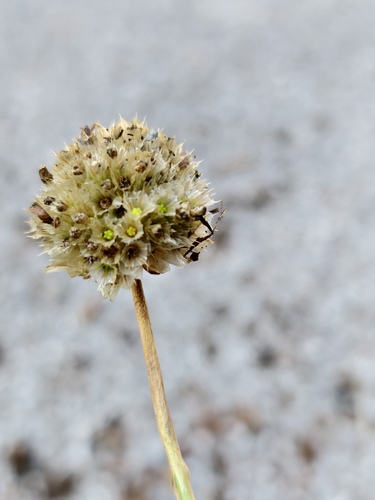
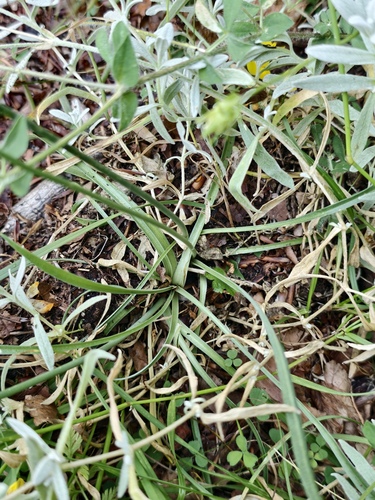
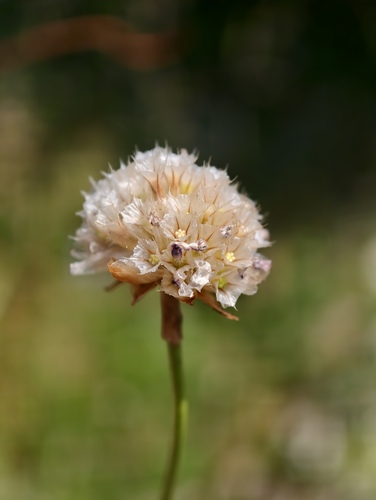
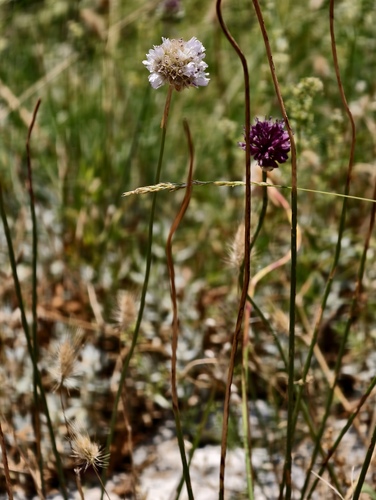
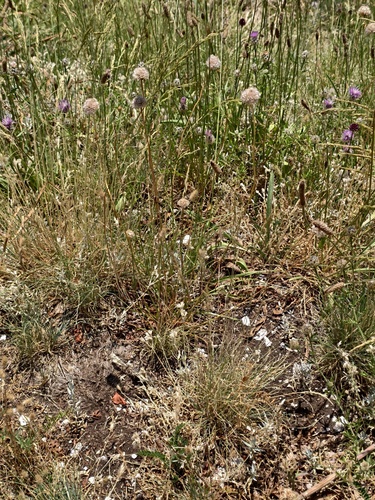
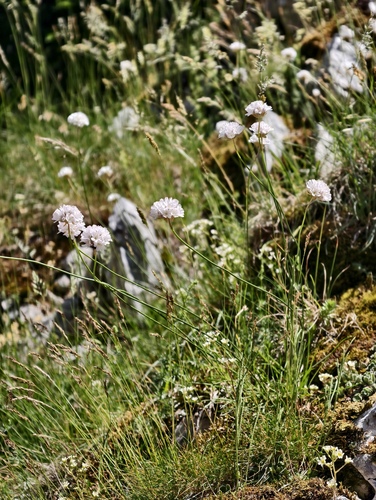
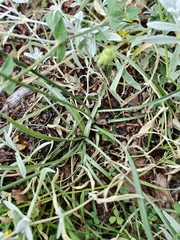
Photographs: fmunoz, CC BY, iNaturalist via GBIF (6).
Related
Other Armeria 26 in the reference
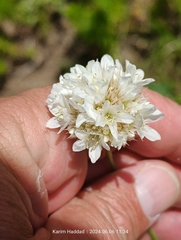 Armeria alliacea Plumbaginaceae Photo: CC BY, Karim Haddad
 Armeria alpina Plumbaginaceae Photo: CC BY-SA, BARÓN ELOY ANTONIO
 Armeria arenaria Plumbaginaceae Photo: CC BY, aroche
 Armeria caespitosa Plumbaginaceae Photo: CC BY, Rafael Medina
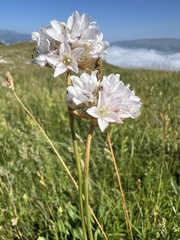 Armeria canescens Plumbaginaceae Photo: CC0, Mirko Ubović
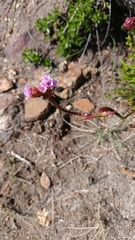 Armeria curvifolia Plumbaginaceae Photo: CC BY, Matias Baranzelli Armeria filicaulis Plumbaginaceae
 Armeria gaditana Plumbaginaceae Photo: CC BY-SA, Nerea P
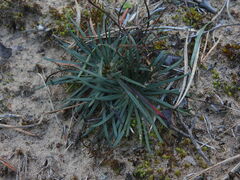 Armeria girardii Plumbaginaceae Photo: CC BY, Yves Bas
 Armeria hirta Plumbaginaceae Photo: CC BY-SA, Krzysztof Ziarnek, Kenraiz
 Armeria hispalensis Plumbaginaceae Photo: CC BY, Santiago Martín-Bravo
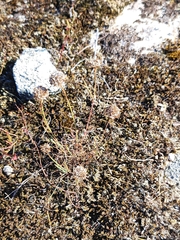 Armeria humilis Plumbaginaceae Photo: CC BY, João Lima all 27 ›
Names & registers
Also known as Armeria canescens subsp. gracilis; Armeria canescens subsp. nebrodensis; Armeria gracilis subsp. majellensis; Armeria heterophylla; Armeria majellensis subsp. ausonia and 6 more. (GBIF Backbone)
Kew accepts as species of their own Armeria gracilis; Armeria majellensis: older names in GBIF's record of this species that Kew's World Checklist accepts as other species. (WCVP, RBG Kew, file of 2026-06-04)
Under another author Armeria alpina Guss. and Armeria alpina Ten. ex Boiss. is an older name of this species, not Armeria alpina, a species of the reference. (GBIF Backbone)
Registers not checked
Wikidata did not answer when this page was built, so the links it gives (POWO, IPNI, World Flora Online, Wikipedia) were not checked; any shown here are kept from an earlier build. Not asked, or not answered, is not "none": nothing here claims there is none. Why the site says it this way.The record
Every figure here is derived from public data by a stated rule and names its source; nothing about this species is written for its page by a person or by AI, apart from the marked, credited quotations. How →
Where this page came from built 2026-10-21
gbif.species answeredasked 2026-10-21gbif.synonyms answeredasked 2026-10-21gbif.vernacular answeredasked 2026-10-21names fetched 2026-10-21wcvp.distribution answeredas of 2026-06-04gbif.occurrences answeredas of 2026-10-21GBIF occurrence download https://doi.org/10.15468/dl.hbdw64, of 2026-10-21climate nothing to reportasked 2026-10-21only 1 distinct land cell of the climate grid holds an in-range record placed to within 10 km; three are needed for an envelopewikidata failedasked 2026-10-21query.wikidata.org timeout (batched: Wikidata's query service, 200 GBIF keys)wikipedia nothing to reportasked 2026-10-21inat.taxon not askedinat.photos.wild not askedinat.photos.cultivated not askedgbif.media answeredasked 2026-10-21openalex not askednot yet asked for this reference; a later fill takes the papers from OpenAlex's snapshotEvery source is recorded as having answered, reported nothing, refused, failed, not been asked, or answered twice where one answer is taken (“not taken: two items answered”), and, for a source asked when this page was built, when: the figures are as the source held them that day; a source read from a file (Kew's World Checklist, a GBIF download) says "as of" the file's day instead; a row carried from an earlier build of the page names that build instead. Only “nothing to report” is ever shown as an absence. Records came from 18 datasets via GBIF.org; each carries its own licence.