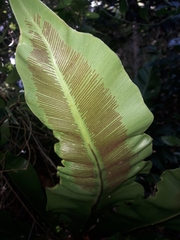

 10 photographs ›
Summary
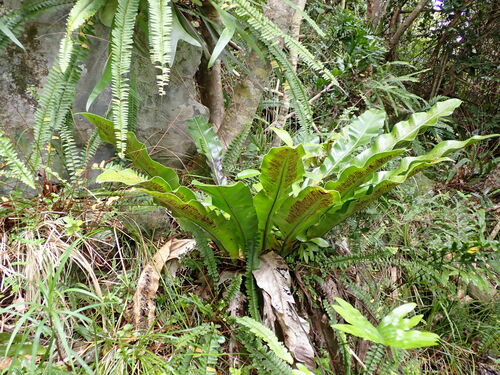
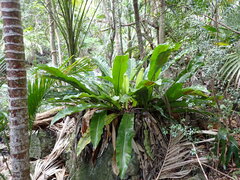
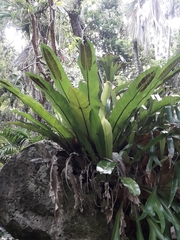
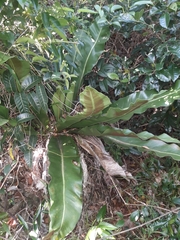
Asplenium goudeyi is a fern only found on Lord Howe Island. A common plant growing in a variety of situations. On trees, or rocks, boulders, cliff faces and sometimes in exposed positions. The wavy edged fronds are 50 to 75 cm (20 to 30 in) long, and 12 to 18 cm (4.7 to 7.1 in) wide.
Quoted from Wikipedia, "Asplenium goudeyi", CC BY-SA 4.0.
About the genus · Asplenium
Asplenium is a genus of about 700 species of ferns, often treated as the only genus in the family Aspleniaceae, though other authors consider Hymenasplenium separate, based on molecular phylogenetic analysis of DNA sequences, a different chromosome count, and structural differences in the rhizomes. The type species for the genus is Asplenium marinum.
Quoted from Wikipedia, "Asplenium", CC BY-SA 4.0.
Cultivation
Grouped as a fern or moss, listed under the genus Asplenium in the archetype table, and Kew describes it as “perennial”.
How this section is made
Each card states this species' habitat figures with their sources, and what two fixed rules read from them; nothing here says what the plant does, wants or tolerates. The rules · the terms.
Group. Listed under the genus Asplenium in the archetype table, and Kew describes it as “perennial”. A group is taken only where Kew's description of the species agrees with the table's listing. The table gives no figure and no prose; the cold floor is the habitat's alone.
Climate across the habitat
Natural habitat
How this section is made
Photographs
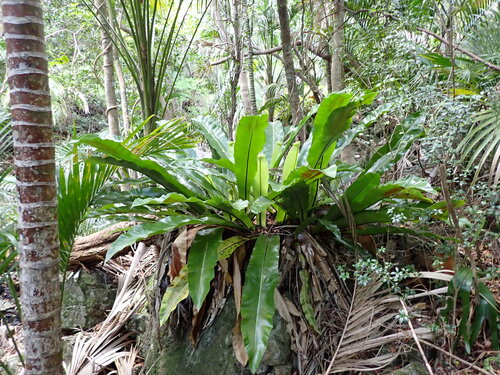
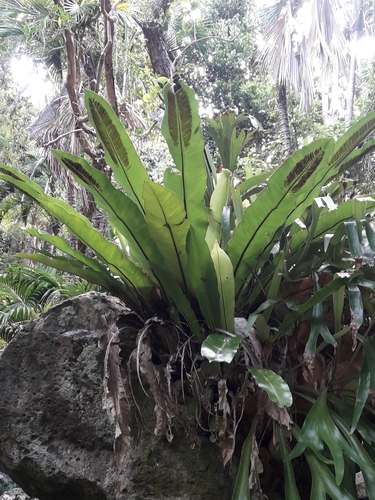
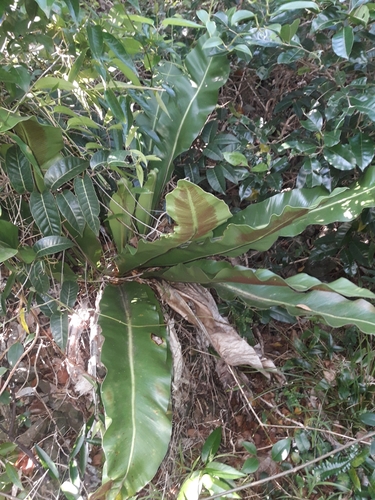
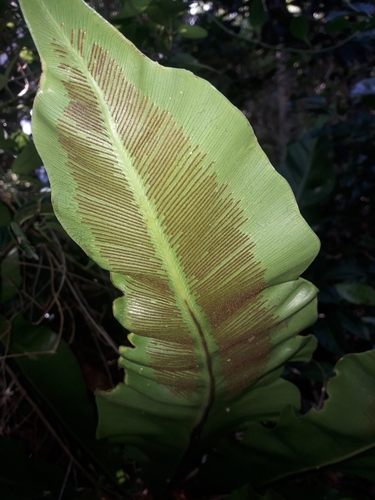


Photographs: (c) Leon Perrie, some rights reserved (CC BY); (c) naturewatchwidow, some rights reserved (CC BY) (3); Stickpen, Public domain, via Wikimedia Commons (2).
Related
Other Asplenium 84 in the reference
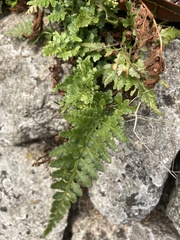 Asplenium adiantum-nigrum Black spleenwort Photo: CC BY, Nick Butcher
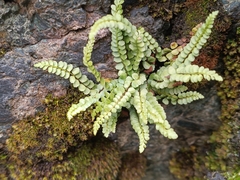 Asplenium adulterinum Corrupt spleenwort Photo: CC BY, Daniel Buczkiewicz
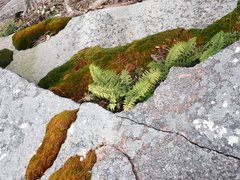 Asplenium aethiopicum Egyptian spleenwort Photo: CC BY, Em Lamond Asplenium africanum Aspleniaceae
 Asplenium antiquum Bird’s-nest fern Photo: CC BY, Cheng-Te Hsu
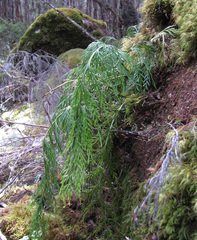 Asplenium appendiculatum Aspleniaceae Photo: CC BY, avocat
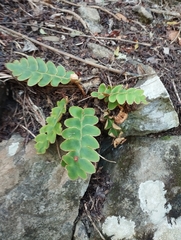 Asplenium aureum Golden Rustyback Fern Photo: CC BY, Mikel Etxeberria Okariz
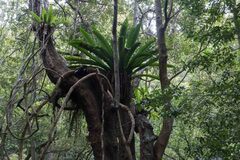 Asplenium australasicum Bird's-nest fern Photo: CC0, author not stated
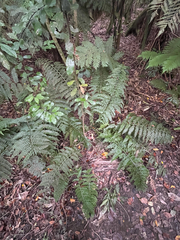 Asplenium bulbiferum Hen-and-chickens Photo: CC BY, 大澤風季 ohsawa_Fuki
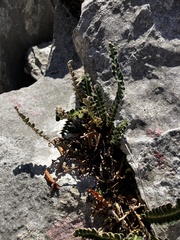 Asplenium ceterach Rustyback Photo: CC0, author not stated
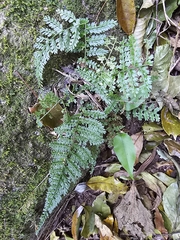 Asplenium cristatum Parsley spleenwort Photo: CC BY, Liliana Ramírez-Freire all 85 ›
Names & registers
The record
Every figure here is derived from public data by a stated rule and names its source; nothing about this species is written for its page by a person or by AI, apart from the marked, credited quotations. How →
Where this page came from built 2026-10-21
gbif.species answeredasked 2026-10-21gbif.synonyms answeredasked 2026-10-21gbif.vernacular answeredasked 2026-10-21names fetched 2026-10-21wcvp.distribution answeredas of 2026-06-04gbif.occurrences answeredas of 2026-10-21GBIF occurrence download https://doi.org/10.15468/dl.hbdw64, of 2026-10-21; 9 records within 1 km of a botanic garden, herbarium or zoo left out (9 at a botanic garden or arboretum; Wikidata's list)climate nothing to reportasked 2026-10-21only 2 distinct land cells of the climate grid hold an in-range record placed to within 10 km; three are needed for an envelopewikidata answeredasked 2026-10-21wikipedia answeredasked 2026-10-21inat.photos.wild answeredasked 2026-10-22from iNaturalist's open data of 2026-09-27: research-grade observations with an open-licence photograph, the 24 whose photographs iNaturalist received last (the open data holds no votes); filled 2026-10-22inat.photos.cultivated not askedgbif.media answeredasked 2026-10-21none of the photographs on this page is credited to GBIF: those shown are other sources', and GBIF's were the same photographs or were set aside by the photograph rulescommons answeredasked 2026-10-21openalex not askednot yet asked for this reference; a later fill takes the papers from OpenAlex's snapshotEvery source is recorded as having answered, reported nothing, refused, failed, not been asked, or answered twice where one answer is taken (“not taken: two items answered”), and, for a source asked when this page was built, when: the figures are as the source held them that day; a source read from a file (Kew's World Checklist, a GBIF download) says "as of" the file's day instead; a row carried from an earlier build of the page names that build instead. Only “nothing to report” is ever shown as an absence. Records came from 6 datasets via GBIF.org; each carries its own licence.