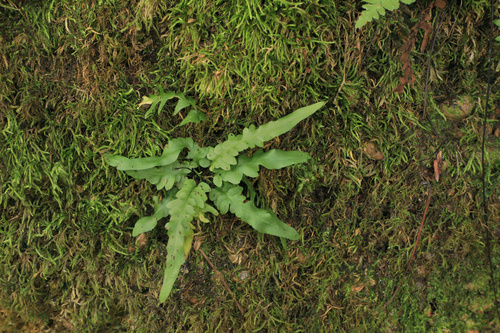
Asplenium tutwilerae B.R.Keener & L.J.Davenp.
Dragontail Fern; Tutwiler's spleenwort
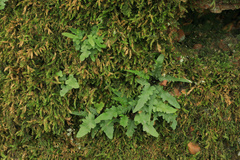
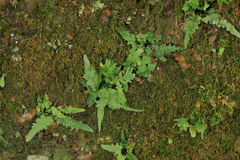
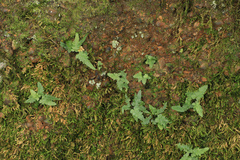
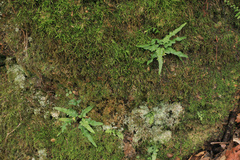
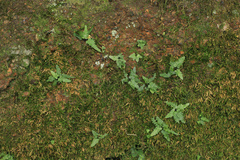
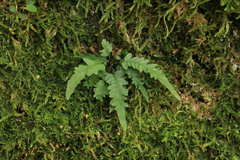 9 photographs ›
Summary
Asplenium tutwilerae (Tutwiler's spleenwort or Scott's fertile spleenwort) is a rare epipetric fern found only in Hale County, Alabama, United States. A. tutwilerae is a fertile allotetraploid, formed by the chromosomal doubling of a specimen of the sterile diploid A. × ebenoides, a hybrid of A. platyneuron and A. rhizophyllum. Except for its spores, which are fertile rather than malformed, A. tutwilerae is essentially identical to A. × ebenoides and was described as part of that species until 2007. It is named in honor of Julia Tutwiler, who discovered the only known wild population at Havana Glen in 1873.
Quoted from Wikipedia, "Asplenium tutwilerae", CC BY-SA 4.0.
About the genus · Asplenium
Asplenium is a genus of about 700 species of ferns, often treated as the only genus in the family Aspleniaceae, though other authors consider Hymenasplenium separate, based on molecular phylogenetic analysis of DNA sequences, a different chromosome count, and structural differences in the rhizomes. The type species for the genus is Asplenium marinum.
Quoted from Wikipedia, "Asplenium", CC BY-SA 4.0.
Cultivation
Climate across the habitat
Natural habitat
How this section is made
Photographs
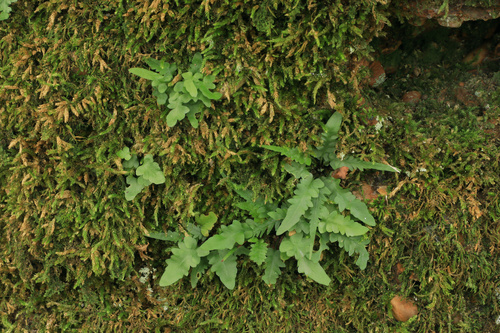
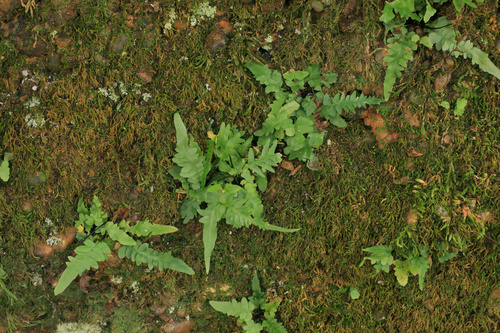
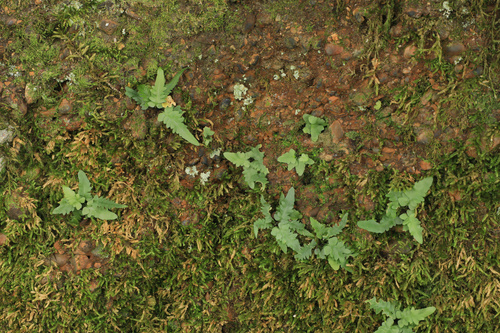
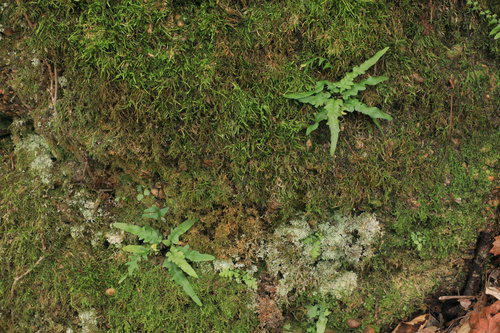
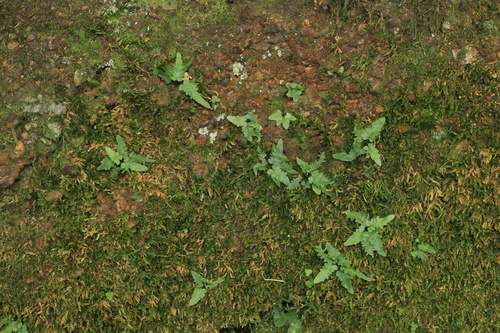
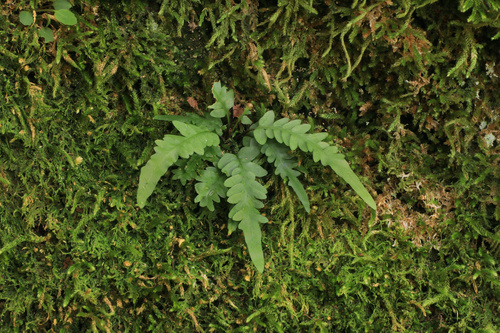
Photographs: (c) Noah Yawn, some rights reserved (CC BY) (6).
Related
Other Asplenium 84 in the reference
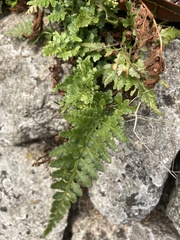 Asplenium adiantum-nigrum Black spleenwort Photo: CC BY, Nick Butcher
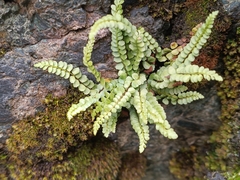 Asplenium adulterinum Corrupt spleenwort Photo: CC BY, Daniel Buczkiewicz
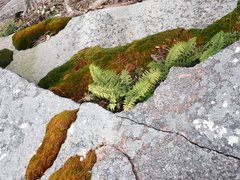 Asplenium aethiopicum Egyptian spleenwort Photo: CC BY, Em Lamond Asplenium africanum Aspleniaceae
 Asplenium antiquum Bird’s-nest fern Photo: CC BY, Cheng-Te Hsu
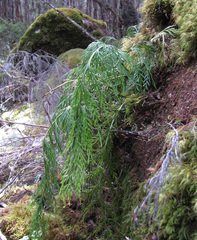 Asplenium appendiculatum Aspleniaceae Photo: CC BY, avocat
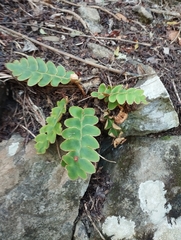 Asplenium aureum Golden Rustyback Fern Photo: CC BY, Mikel Etxeberria Okariz
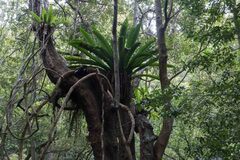 Asplenium australasicum Bird's-nest fern Photo: CC0, author not stated
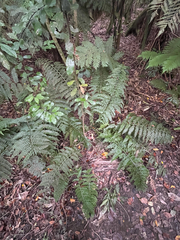 Asplenium bulbiferum Hen-and-chickens Photo: CC BY, 大澤風季 ohsawa_Fuki
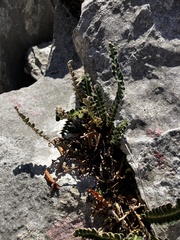 Asplenium ceterach Rustyback Photo: CC0, author not stated
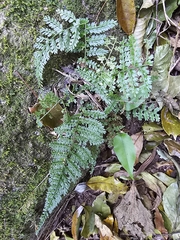 Asplenium cristatum Parsley spleenwort Photo: CC BY, Liliana Ramírez-Freire all 85 ›
Names & registers
The record
Every figure here is derived from public data by a stated rule and names its source; nothing about this species is written for its page by a person or by AI, apart from the marked, credited quotations. How →
Where this page came from built 2026-10-21
gbif.species answeredasked 2026-10-21gbif.synonyms answeredasked 2026-10-21gbif.vernacular answeredasked 2026-10-21names fetched 2026-10-21wcvp.distribution answeredas of 2026-06-04gbif.occurrences answeredas of 2026-10-21GBIF occurrence download https://doi.org/10.15468/dl.hbdw64, of 2026-10-21climate nothing to reportasked 2026-10-213 in-range records, none placed to within 10 kmwikidata answeredasked 2026-10-21wikipedia answeredasked 2026-10-21inat.photos.wild answeredasked 2026-10-22from iNaturalist's open data of 2026-09-27: research-grade observations with an open-licence photograph, the 24 whose photographs iNaturalist received last (the open data holds no votes); filled 2026-10-22inat.photos.cultivated not askedgbif.media answeredasked 2026-10-21none of the photographs on this page is credited to GBIF: those shown are other sources', and GBIF's were the same photographs or were set aside by the photograph rulescommons answeredasked 2026-10-21openalex not askednot yet asked for this reference; a later fill takes the papers from OpenAlex's snapshotEvery source is recorded as having answered, reported nothing, refused, failed, not been asked, or answered twice where one answer is taken (“not taken: two items answered”), and, for a source asked when this page was built, when: the figures are as the source held them that day; a source read from a file (Kew's World Checklist, a GBIF download) says "as of" the file's day instead; a row carried from an earlier build of the page names that build instead. Only “nothing to report” is ever shown as an absence. Records came from 2 datasets via GBIF.org; each carries its own licence.