
 2 photographs ›
Summary
Bromus interruptus, commonly known as the interrupted brome, is a flowering plant in the grass family. It was endemic to southern and central England, but it went extinct in the wild in 1972. After several decades in cultivation, the interrupted brome was re-introduced to Aston Rowant National Nature Reserve in 2004, marking the first known re-introduction of an extinct plant in Britain. The plant was a weed of waste places and arable agriculture, particularly of sainfoin (Onobrychis viciifolia) cultivation. More on Wikipedia ›
Quoted from Wikipedia, "Bromus interruptus", CC BY-SA 4.0.
Cultivation
Climate across the habitat
Natural habitat
Photographs

Photographs: Plantsurfer (Uploads), CC BY-SA 3.0, via Wikimedia Commons.
Related
Other Bromus 30 in the reference
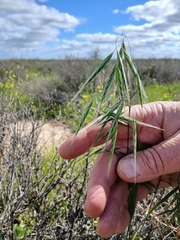 Bromus arenarius Australian brome Photo: CC BY, swainsona1
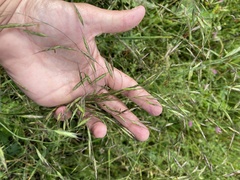 Bromus arvensis Field brome Photo: CC BY, Наталья Пикалова
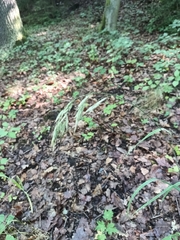 Bromus benekenii Lesser Hairy-brome Photo: CC BY, Vladimír Fuka
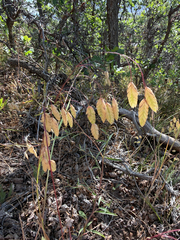 Bromus briziformis Rattlesnake brome Photo: CC0, author not stated
 Bromus bromoideus Poaceae Photo: Public domain, Daderot
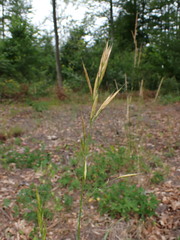 Bromus carinatus California brome Photo: CC BY, Milan Chytrý
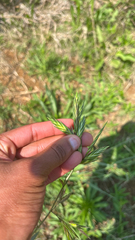 Bromus catharticus Rescue grass Photo: CC0, author not stated
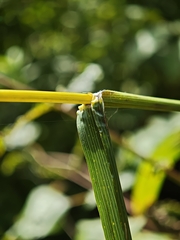 Bromus ciliatus Fringed brome Photo: CC BY, kursic
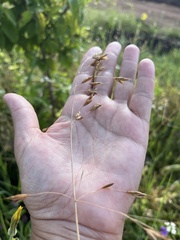 Bromus commutatus Meadow brome Photo: CC BY, Наталья Пикалова
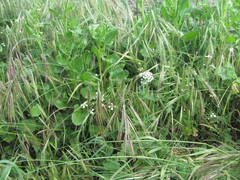 Bromus diandrus Great brome Photo: CC BY, zebedeugalinha
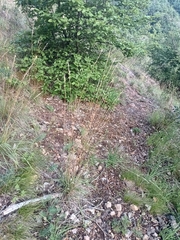 Bromus erectus Upright brome Photo: CC BY, Vladimír Fuka
 Bromus grossus Whiskered brome Photo: CC BY-SA, Gerhard Nitter all 31 ›
Names & registers
Also known as Bromus mollis var. interruptus; Bromus pseudovelutinus. (GBIF Backbone)
The record
Every figure here is derived from public data by a stated rule and names its source; nothing about this species is written for its page by a person or by AI, apart from the marked, credited quotations. How →
Where this page came from built 2026-10-21
gbif.species answeredasked 2026-10-21gbif.synonyms answeredasked 2026-10-21gbif.vernacular answeredasked 2026-10-21names fetched 2026-10-21wcvp.distribution answeredas of 2026-06-04Kew's entry lists no native region, only 1 where it is introducedgbif.occurrences answeredas of 2026-10-21GBIF occurrence download https://doi.org/10.15468/dl.hbdw64, of 2026-10-21; 1 record within 1 km of a botanic garden, herbarium or zoo left out (1 at a zoo; Wikidata's list)climate nothing to reportasked 2026-10-21native range not verified: no WCVP distribution with native status for this name, so records cannot be told from cultivation and no habitat climate is derivedwikidata answeredasked 2026-10-21wikipedia answeredasked 2026-10-21inat.photos.wild nothing to reportasked 2026-10-22from iNaturalist's open data of 2026-09-27: research-grade observations with an open-licence photograph, the 24 whose photographs iNaturalist received last (the open data holds no votes); filled 2026-10-22inat.photos.cultivated not askedgbif.media nothing to reportasked 2026-10-21commons answeredasked 2026-10-21openalex not askednot yet asked for this reference; a later fill takes the papers from OpenAlex's snapshotEvery source is recorded as having answered, reported nothing, refused, failed, not been asked, or answered twice where one answer is taken (“not taken: two items answered”), and, for a source asked when this page was built, when: the figures are as the source held them that day; a source read from a file (Kew's World Checklist, a GBIF download) says "as of" the file's day instead; a row carried from an earlier build of the page names that build instead. Only “nothing to report” is ever shown as an absence. Records came from 10 datasets via GBIF.org; each carries its own licence.