


 12 photographs ›
Summary
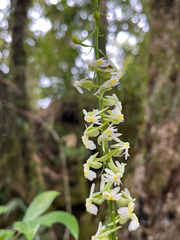
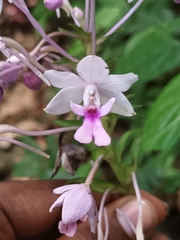
Calanthe vestita is a species of orchid. It is widespread throughout much of Southeast Asia from Assam to New Guinea including Thailand, Indonesia, Malaysia and the Philippines.
Quoted from Wikipedia, "Calanthe vestita", CC BY-SA 4.0.
About the genus · Calanthe
Calanthe, commonly known as Christmas orchids, is a genus of about 220 species of orchids in the family Orchidaceae. They are evergreen or deciduous terrestrial plants with thick roots, small oval pseudobulbs, large corrugated leaves and upright, sometimes arching flowering stems. The sepals and petals are narrow and a similar size to each other and the labellum usually has spreading lobes.
Quoted from Wikipedia, "Calanthe", CC BY-SA 4.0.
Cultivation
Climate across the habitat
Natural habitat
How this section is made
Photographs


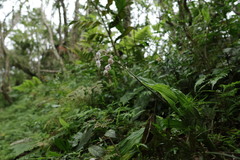
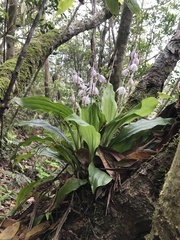
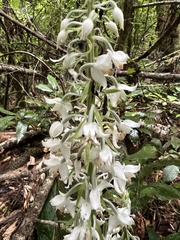
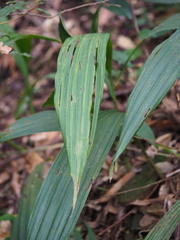
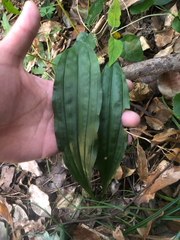
Photographs: Averater, CC BY-SA 3.0, via Wikimedia Commons; Averater, CC BY 4.0, via Wikimedia Commons (2); David J. Stang, CC BY-SA 4.0, via Wikimedia Commons (3).
Related
Other Calanthe 31 in the reference
 Calanthe argenteostriata Orchidaceae Photo: CC BY, Marie-Lan Nguyen
 Calanthe arisanensis Orchidaceae Photo: CC BY, 林正文
 Calanthe aristulifera Sinan calanthe Photo: CC0, author not stated
 Calanthe calanthoides Orchidaceae Photo: CC BY, Carlos Funes
 Calanthe cardioglossa Orchidaceae Photo: CC BY, Nguyen-Khanh-Trinh Tram Calanthe columnaris Orchidaceae
 Calanthe davidii David's Calanthe Photo: CC0, author not stated
 Calanthe densiflora Orchidaceae Photo: CC0, author not stated
 Calanthe discolor Common calanthe Photo: CC BY, 大澤風季 ohsawa_Fuki
 Calanthe × dominyi Orchidaceae Photo: CC BY, Pranav Chandra Bose
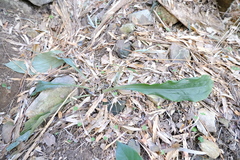 Calanthe graciliflora Orchidaceae Photo: CC BY, 王天明
 Calanthe hancockii Orchidaceae Photo: CC BY-SA, Orchi all 32 ›
Names & registers
Also known as Alismorchis vestita; Alismorkis vestita; Amblyglottis pilosa; Aulostylis papuana; Calanthe augusti-reigneri and 29 more. (GBIF Backbone)
The record
Every figure here is derived from public data by a stated rule and names its source; nothing about this species is written for its page by a person or by AI, apart from the marked, credited quotations. How →
Where this page came from built 2026-10-21
gbif.species answeredasked 2026-10-21gbif.synonyms answeredasked 2026-10-21gbif.vernacular answeredasked 2026-10-21names fetched 2026-10-21wcvp.distribution answeredas of 2026-06-04gbif.occurrences answeredas of 2026-10-21GBIF occurrence download https://doi.org/10.15468/dl.hbdw64, of 2026-10-21; 2 records within 1 km of a botanic garden, herbarium or zoo left out (2 at a botanic garden or arboretum; Wikidata's list)climate nothing to reportasked 2026-10-216 in-range records, none placed to within 10 kmwikidata answeredasked 2026-10-21wikipedia answeredasked 2026-10-21inat.photos.wild nothing to reportasked 2026-10-22from iNaturalist's open data of 2026-09-27: research-grade observations with an open-licence photograph, the 24 whose photographs iNaturalist received last (the open data holds no votes); filled 2026-10-22inat.photos.cultivated not askedgbif.media nothing to reportasked 2026-10-21commons answeredasked 2026-10-21openalex not askednot yet asked for this reference; a later fill takes the papers from OpenAlex's snapshotEvery source is recorded as having answered, reported nothing, refused, failed, not been asked, or answered twice where one answer is taken (“not taken: two items answered”), and, for a source asked when this page was built, when: the figures are as the source held them that day; a source read from a file (Kew's World Checklist, a GBIF download) says "as of" the file's day instead; a row carried from an earlier build of the page names that build instead. Only “nothing to report” is ever shown as an absence. Records came from 6 datasets via GBIF.org; each carries its own licence.