
Camellia granthamiana Sealy
Grantham's Camellia; Poached Egg Camellia
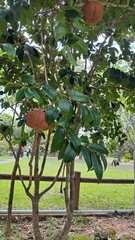
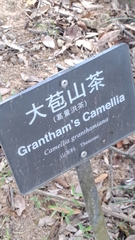


 16 photographs ›
Summary
Camellia granthamiana (Chinese: 葛量洪茶; Jyutping: got3 loeng4 hung4 caa4; lit. 'Grantham tea'), or Grantham's camellia, is a rare, endangered species of Camellia, which was first discovered in Hong Kong in 1955.
Quoted from Wikipedia, "Camellia granthamiana", CC BY-SA 4.0.
About the genus · Camellia
Camellia is a genus of flowering plants in the family Theaceae. They are found in tropical and subtropical areas in eastern and southern Asia, from the Himalayas east to Japan and Indonesia. There are more than 220 described species; almost all are found in southern China and Indochina. More on Wikipedia ›
Quoted from Wikipedia, "Camellia", CC BY-SA 4.0.
Cultivation
Climate across the habitat
Natural habitat
How this section is made
Photographs


Photographs: (c) CYL, some rights reserved (CC BY) (2); author not stated, no rights reserved · CC0 (2); Tequila, CC BY-SA 3.0, via Wikimedia Commons; 小為, CC BY-SA 3.0, via Wikimedia Commons.
Related
Other Camellia 39 in the reference
 Camellia amplexicaulis Theaceae Photo: CC BY-SA, Hungda Camellia amplexifolia Theaceae
 Camellia azalea Theaceae Photo: CC0, author not stated
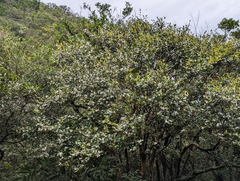 Camellia brevistyla Theaceae Photo: CC BY, Francisca Wu
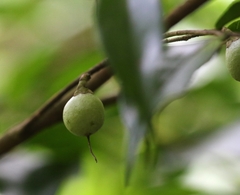 Camellia caudata Theaceae Photo: CC0, author not stated
 Camellia chekiangoleosa Theaceae Photo: CC BY-SA, Zhangzhugang
 Camellia chrysanthoides Theaceae Photo: CC0, Daderot
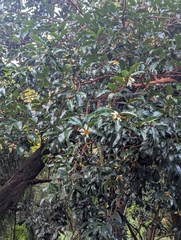 Camellia crapnelliana Crapnell's Camellia Photo: CC BY, Kalvin Chan
 Camellia cuspidata Theaceae Photo: CC BY, User:BotBln Camellia drupifera Theaceae
 Camellia euphlebia Theaceae Photo: CC BY-SA, 阿橋 HQ
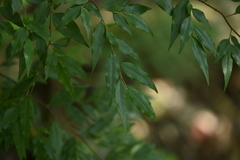 Camellia euryoides Theaceae Photo: CC BY, 曾昱承 Yu-Cheng Zeng all 40 ›
Names & registers
Also known as Camellia albogigas. (GBIF Backbone)
The record
Every figure here is derived from public data by a stated rule and names its source; nothing about this species is written for its page by a person or by AI, apart from the marked, credited quotations. How →
Where this page came from built 2026-10-21
gbif.species answeredasked 2026-10-21gbif.synonyms answeredasked 2026-10-21gbif.vernacular answeredasked 2026-10-21names fetched 2026-10-21; "Camellia albogigas" not shown: a scientific name Kew or this reference holdswcvp.distribution answeredas of 2026-06-04gbif.occurrences answeredas of 2026-10-21GBIF occurrence download https://doi.org/10.15468/dl.hbdw64, of 2026-10-21; 1 record within 1 km of a botanic garden, herbarium or zoo left out (1 at a herbarium; Wikidata's list)climate nothing to reportasked 2026-10-21only 1 distinct land cell of the climate grid holds an in-range record placed to within 10 km; three are needed for an envelopewikidata answeredasked 2026-10-21wikipedia answeredasked 2026-10-21inat.photos.wild answeredasked 2026-10-22from iNaturalist's open data of 2026-09-27: research-grade observations with an open-licence photograph, the 24 whose photographs iNaturalist received last (the open data holds no votes); filled 2026-10-22inat.photos.cultivated not askedgbif.media answeredasked 2026-10-21none of the photographs on this page is credited to GBIF: those shown are other sources', and GBIF's were the same photographs or were set aside by the photograph rulescommons answeredasked 2026-10-21openalex not askednot yet asked for this reference; a later fill takes the papers from OpenAlex's snapshotEvery source is recorded as having answered, reported nothing, refused, failed, not been asked, or answered twice where one answer is taken (“not taken: two items answered”), and, for a source asked when this page was built, when: the figures are as the source held them that day; a source read from a file (Kew's World Checklist, a GBIF download) says "as of" the file's day instead; a row carried from an earlier build of the page names that build instead. Only “nothing to report” is ever shown as an absence. Records came from 6 datasets via GBIF.org; each carries its own licence.