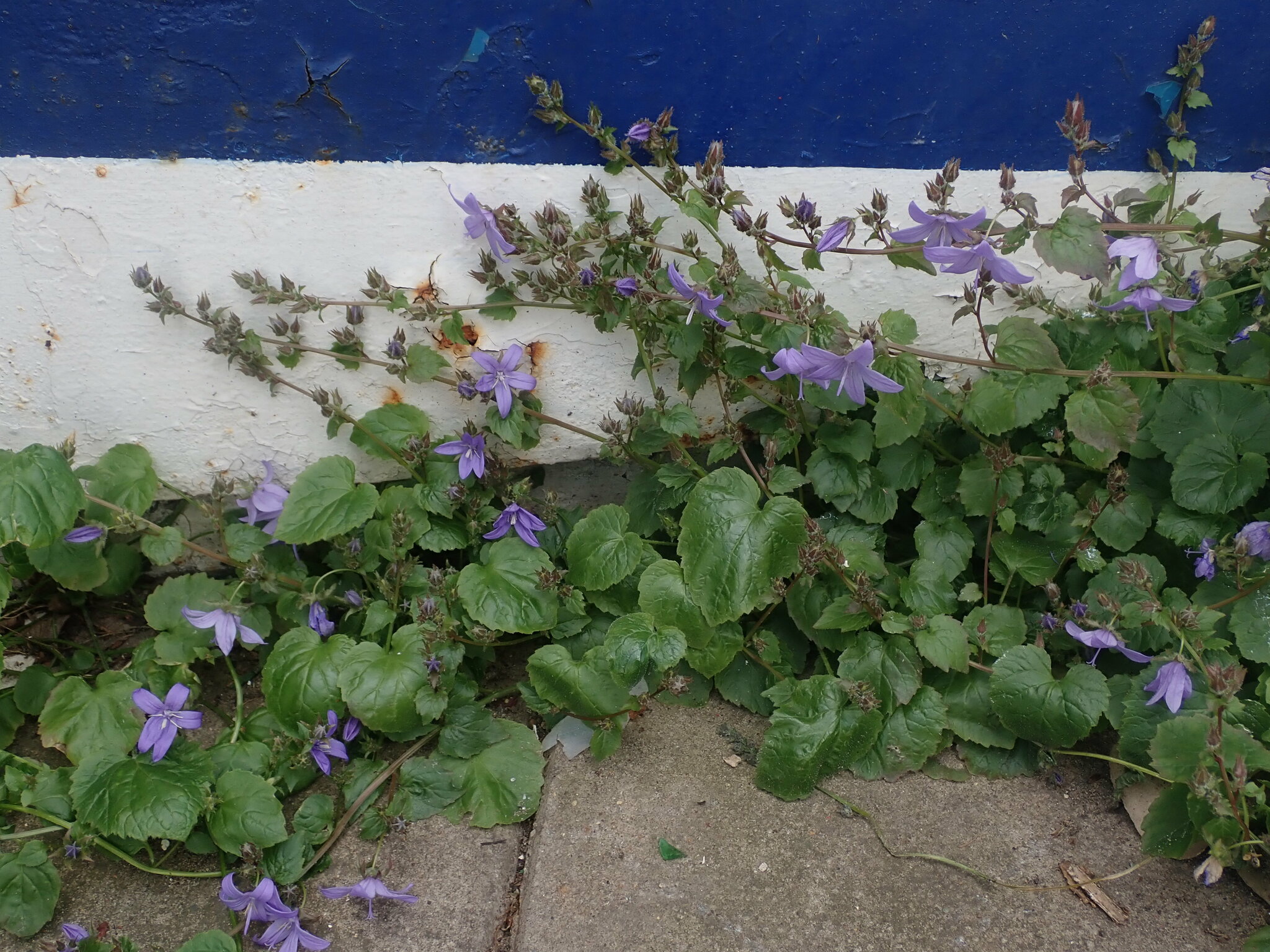
Campanula poscharskyana Degen
Kriechende Glockenblume (DE), Serbian bellflower, Trailing Bellflower, Trailing Bellflower (EN)
Every figure on this page is derived from public data by a stated rule and says its source; nothing here is written by a person or a model, except the Wikipedia passage, which is quoted and marked as such. How it is made.
Summary
Campanula poscharskyana, the Serbian bellflower or trailing bellflower, is a semi-evergreen trailing perennial, valued for its lavender-blue star-shaped flowers. It is native to the Dinaric Alps in former Yugoslavia.
Text from Wikipedia, “Campanula poscharskyana”, CC BY-SA 4.0, quoted as written. Kept separate from everything derived here.
About the genus · Campanula
Campanula is the type genus of the Campanulaceae family of flowering plants. Campanula are commonly known as bellflowers and take both their common and scientific names from the bell-shaped flowers—campanula is Latin for "little bell".
Text from Wikipedia, “Campanula”, CC BY-SA 4.0, quoted as written.
Cultivation
Climate across the habitat
Natural habitat
Photographs
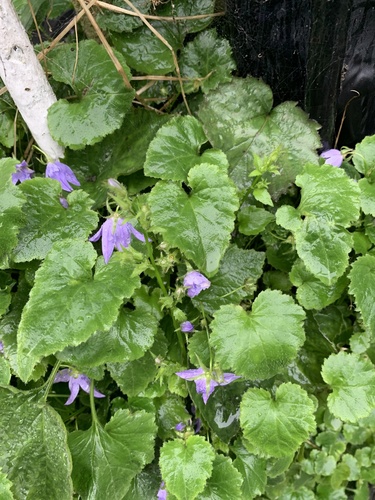
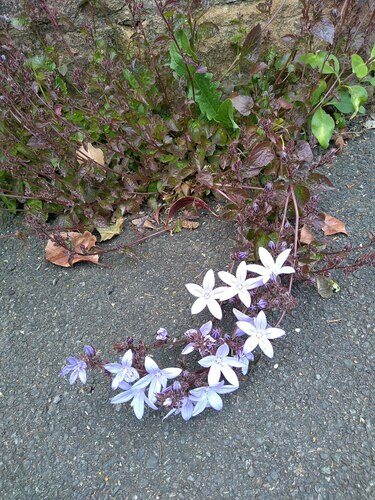
Photographs: Alan Young, CC0, iNaturalist via GBIF; Karen Fry, CC BY, iNaturalist via GBIF.
Photographs: iNaturalist did not answer when this page was built; what is shown came from the sources that did.
Papers naming this species
Works whose title or abstract names Campanula poscharskyana, most cited first, from OpenAlex (CC0). A mention, not a cultivation source: nothing on this page is drawn from them.
Related
Other Campanula 6 in the reference
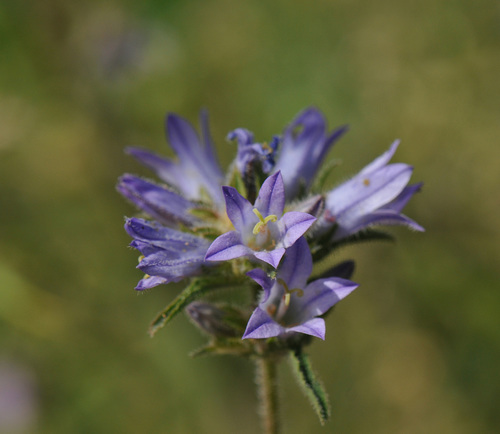 Campanula glomerata Clustered Bellflower
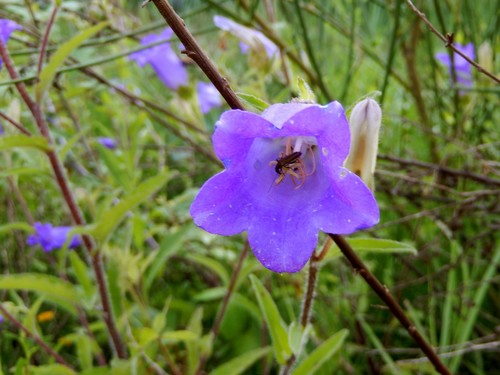 Campanula medium Canterbury bellflower
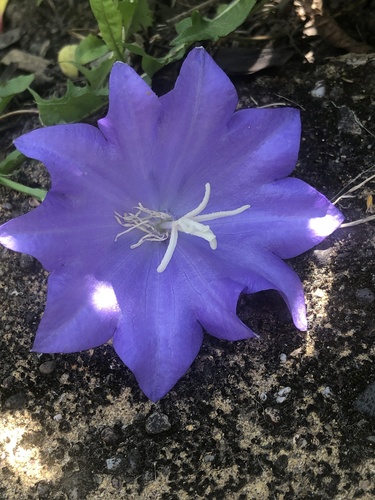 Campanula persicifolia Narrow-Leaved Bellflower
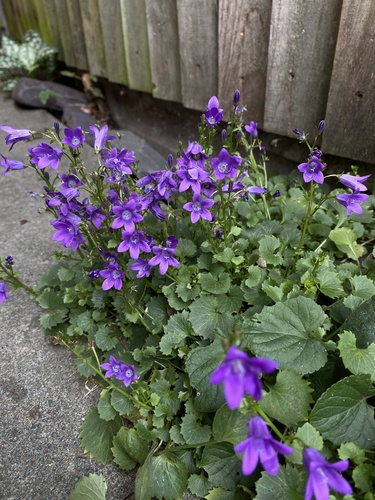 Campanula portenschlagiana Adria Bellflower
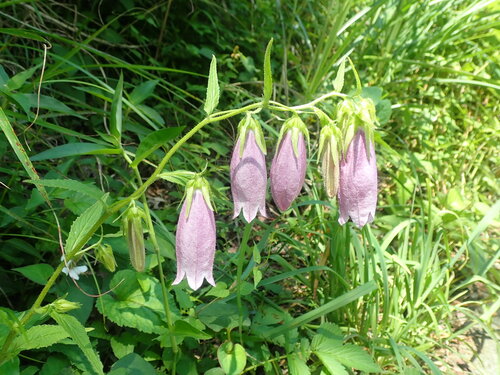 Campanula punctata Spotted Bellflower
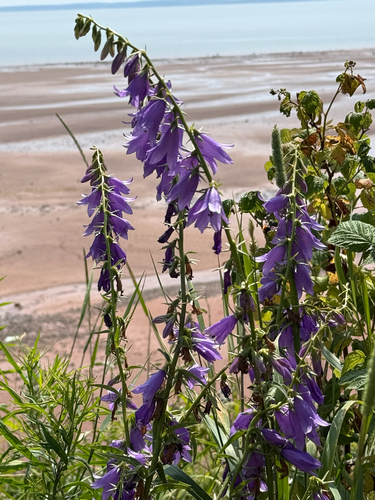 Campanula rapunculoides Creeping Bellflower
 History & registers
Where this page came from built 2026-09-20 · dossier v2 · node
gbif.species answeredcarried from build of 2026-09-20 (offline re-derivation; the backbone was not asked)gbif.synonyms answeredcarried from build of 2026-09-20 (offline re-derivation; the backbone was not asked)gbif.vernacular answeredcarried from build of 2026-09-20 (offline re-derivation; the backbone was not asked)wcvp.distribution answeredgbif.occurrences answeredGBIF occurrence download https://doi.org/10.15468/dl.3h4zamclimate nothing to reportwikidata answeredcarried from build of 2026-09-20 (rederive); that build: carried from build of 2026-09-19 (rederive); that build: carried from build of 2026-09-19 (rederive)wikipedia answeredcarried from build of 2026-09-20; this build: skippedinat.taxon not askedcarried from build of 2026-09-20 (rederive)inat.photos.wild answeredcarried from build of 2026-09-20 (rederive); that build: carried from build of 2026-09-19 (rederive); that build: carried from build of 2026-09-19 (rederive)inat.photos.cultivated nothing to reportcarried from build of 2026-09-20 (rederive); that build: carried from build of 2026-09-19 (rederive); that build: carried from build of 2026-09-19 (rederive)commons nothing to reportcarried from build of 2026-09-20 (rederive); that build: carried from build of 2026-09-19 (rederive); that build: carried from build of 2026-09-19 (rederive)gbif.media answeredopenalex answeredcarried from build of 2026-09-20; this build: skippedEvery upstream is recorded as having answered, reported nothing, or refused. Only “nothing to report” is ever shown as an absence. Records came from 43 datasets via GBIF.org; each carries its own licence.