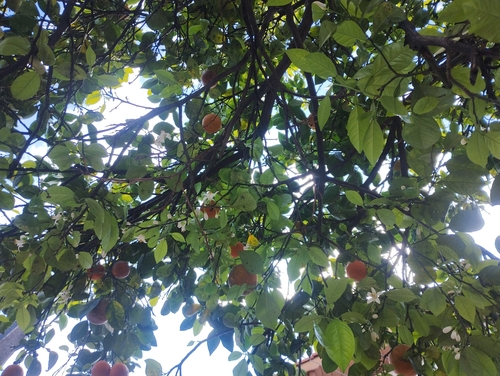
Citrus × aurantium L.
Sour orange; Seville orange; Bitter orange; Bigarade
A hybrid: C. maxima × C. reticulata, the parents Kew's World Checklist states for it (WCVP, RBG Kew).
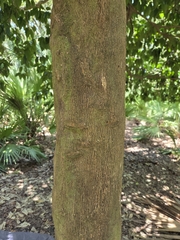
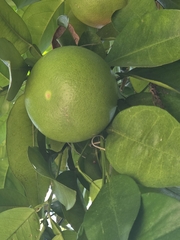
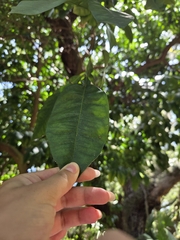
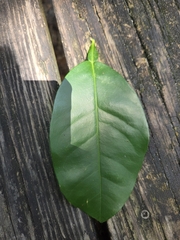
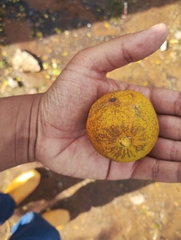
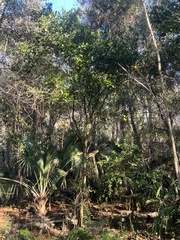 89 photographs ›
Summary
The bitter orange, sour orange, Seville orange, bigarade orange, or marmalade orange is the hybrid citrus tree species Citrus × aurantium, and its fruit. It is native to Southeast Asia and has been spread by humans to many parts of the world. It is a cross between the pomelo, Citrus maxima, and the wild type mandarin orange, Citrus reticulata. The bitter orange is used to make essential oil, used in foods, drinks, and pharmaceuticals. More on Wikipedia ›
Quoted from Wikipedia, "Bitter orange", CC BY-SA 4.0.
About the genus · Citrus
Citrus is a genus of flowering trees and shrubs in the family Rutaceae. Plants in the genus produce citrus fruits, such as citrons, mandarins, and pomelos. Many important citrus crops have been developed through extensive hybridization, including oranges, lemons, grapefruits, and limes, all of which have many cultivars.
Quoted from Wikipedia, "Citrus", CC BY-SA 4.0.
Cultivation
Climate across the habitat
Natural habitat
Photographs
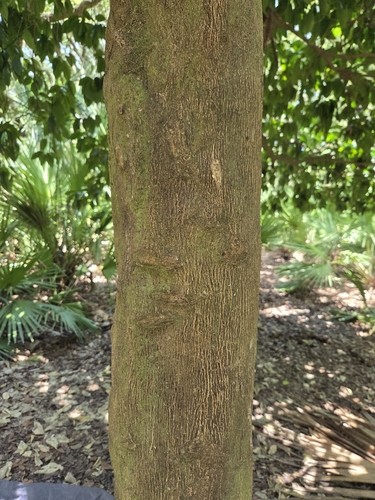
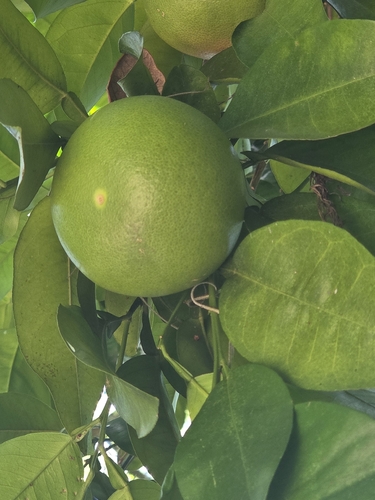
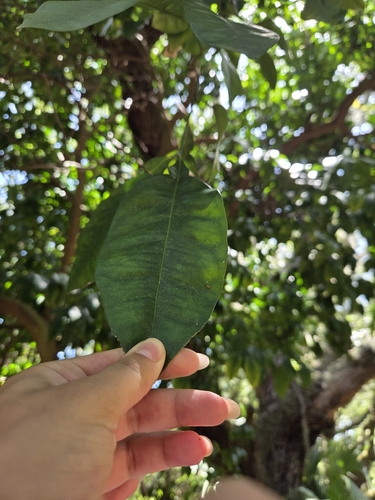
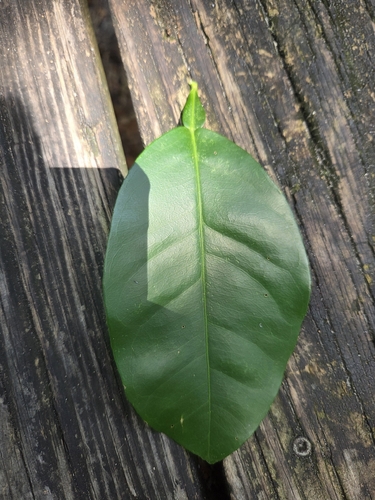
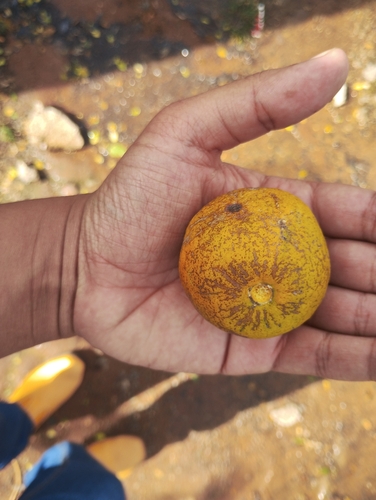

Photographs: (c) Emily E.M., some rights reserved (CC BY) (4); (c) The Great Walter, some rights reserved (CC BY); (c) Taylor DiTarando, some rights reserved (CC BY).
Related
Other Citrus 16 in the reference
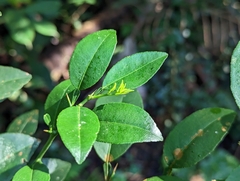 Citrus × aurantiifolia Lime Photo: CC BY, Attila Oláh
 Citrus australasica Rutaceae Photo: CC BY-SA, Nadiatalent
 Citrus australis Rutaceae Photo: CC BY-SA, Mark Marathon
 Citrus cavaleriei Ichang papeda Photo: CC BY-SA, David J. Stang Citrus × depressa Rutaceae
 Citrus garrawayae Rutaceae Photo: CC BY-SA, Steve Fitzgerald
 Citrus glauca Rutaceae Photo: Public domain, Daderot
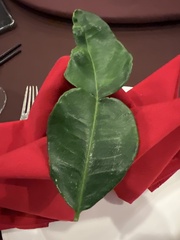 Citrus hystrix Kaffir lime Photo: CC BY, rjtizard
 Citrus inodora Rutaceae Photo: CC BY, M. Fagg
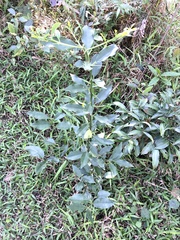 Citrus japonica Kumquat Photo: CC BY, Yj
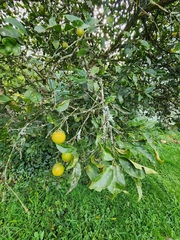 Citrus × limon Canton lemon Photo: CC BY, claire
 Citrus maxima Shaddock Photo: CC BY, chiuluan all 17 ›
Names & registers
Also known as Aurantium citrum; Citrus aurantium subsp. sinensis; Citrus aurantium var. amara; Citrus aurantium var. bigaradia; Citrus aurantium var. vulgaris and 36 more. (GBIF Backbone)
The record
Every figure here is derived from public data by a stated rule and names its source; nothing about this species is written for its page by a person or by AI, apart from the marked, credited quotations. How →
Where this page came from built 2026-10-21
gbif.species answeredasked 2026-10-21gbif.synonyms answeredasked 2026-10-21gbif.vernacular answeredasked 2026-10-21names fetched 2026-10-21wcvp.distribution answeredas of 2026-06-04Kew's entry lists no native region, only 87 where it is introducedgbif.occurrences answeredas of 2026-10-21GBIF occurrence download https://doi.org/10.15468/dl.hbdw64, of 2026-10-21; 65 records within 1 km of a botanic garden, herbarium or zoo left out (47 at a botanic garden or arboretum, 10 at a herbarium, 8 at a zoo; Wikidata's list)climate nothing to reportasked 2026-10-21native range not verified: no WCVP distribution with native status for this name, so records cannot be told from cultivation and no habitat climate is derivedwikidata answeredasked 2026-10-21wikipedia answeredasked 2026-10-21Wikipedia's article Bitter orange, the English article of this species' Wikidata item (Q147096)inat.photos.wild answeredasked 2026-10-22from iNaturalist's open data of 2026-09-27: research-grade observations with an open-licence photograph, the 24 whose photographs iNaturalist received last (the open data holds no votes); filled 2026-10-22inat.photos.cultivated not askedgbif.media answeredasked 2026-10-21openalex not askednot yet asked for this reference; a later fill takes the papers from OpenAlex's snapshotEvery source is recorded as having answered, reported nothing, refused, failed, not been asked, or answered twice where one answer is taken (“not taken: two items answered”), and, for a source asked when this page was built, when: the figures are as the source held them that day; a source read from a file (Kew's World Checklist, a GBIF download) says "as of" the file's day instead; a row carried from an earlier build of the page names that build instead. Only “nothing to report” is ever shown as an absence. Records came from 264 datasets via GBIF.org; each carries its own licence.