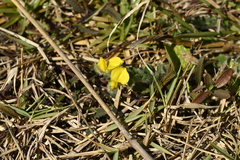
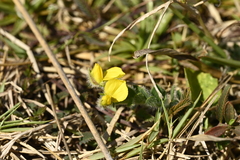
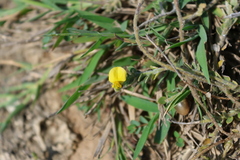
 35 photographs ›
Summary
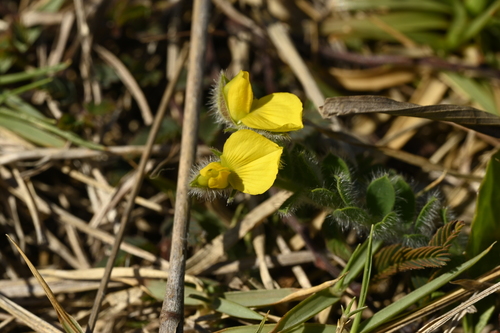
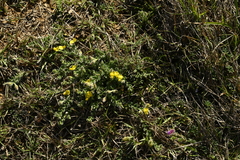
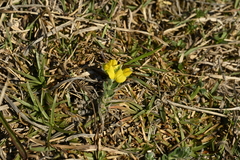
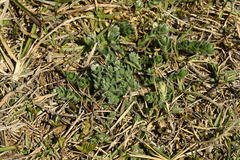
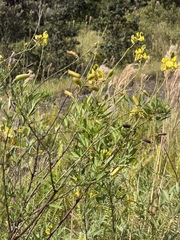
Crotalaria similis, also known as the Pingtung Curara pea, belongs to the family Fabaceae and genus Crotalaria. It is a perennial crawling herb, an endemic species of Taiwan which the distribution is limited to the Eastern seaside of the Hengchun Peninsula.
Quoted from Wikipedia, "Crotalaria similis", CC BY-SA 4.0.
About the genus · Crotalaria
Crotalaria is a genus of flowering plants in the family Fabaceae commonly known as rattlepods. The genus includes over 700 species of herbaceous plants and shrubs. Africa is the continent with the majority of Crotalaria species, which are mainly found in damp grassland, especially in floodplains, depressions and along edges of swamps and rivers, but also in deciduous bush land, roadsides and fields. More on Wikipedia ›
Quoted from Wikipedia, "Crotalaria", CC BY-SA 4.0.
Cultivation
Climate across the habitat
Natural habitat
How this section is made
Photographs
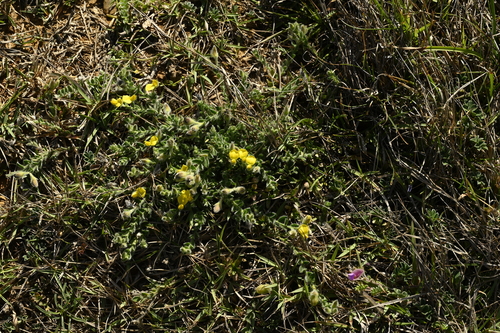
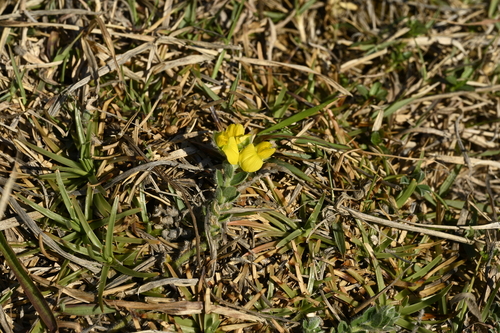
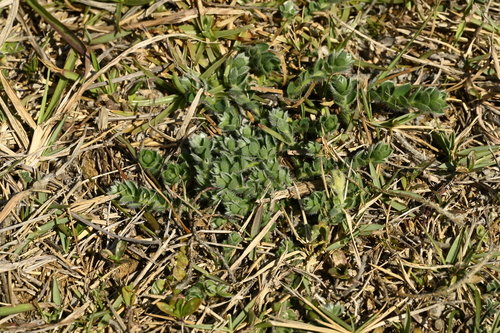
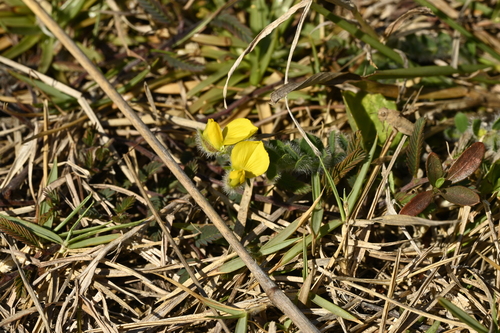
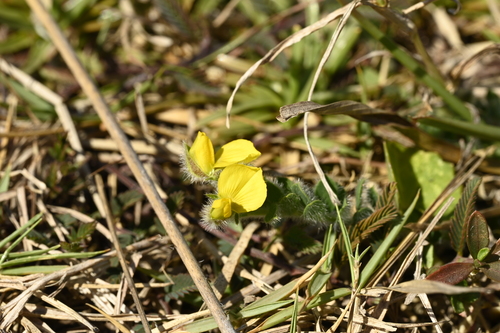
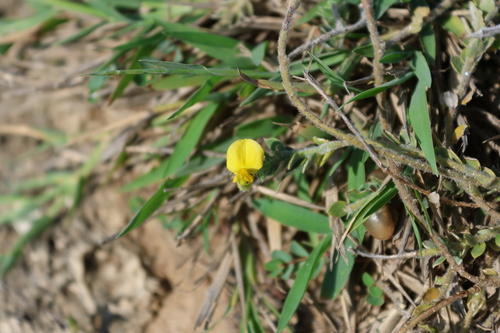
Photographs: (c) 曾昱承 Yu-Cheng Zeng, some rights reserved (CC BY) (5); (c) 林正文, some rights reserved (CC BY).
Related
Other Crotalaria 26 in the reference
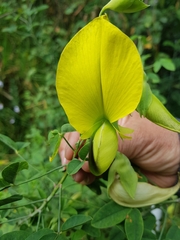 Crotalaria agatiflora Canarybird-bush Photo: CC BY, Efrain Freire
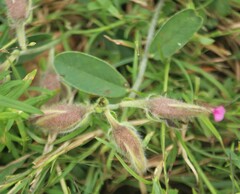 Crotalaria calycina Hairy Rattlepod Photo: CC0, author not stated
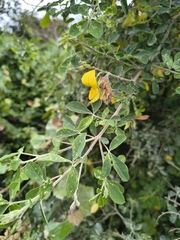 Crotalaria capensis Cape Rattle-Pod Photo: CC BY, jeanjacquesgodon
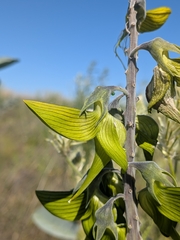 Crotalaria cunninghamii Parrot pea Photo: CC BY, Hugo Innes
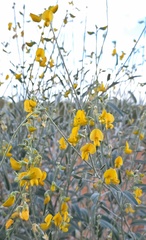 Crotalaria eremaea Bluebush pea Photo: CC BY, Petra Holland
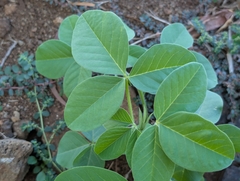 Crotalaria incana Shakeshake Photo: CC0, author not stated
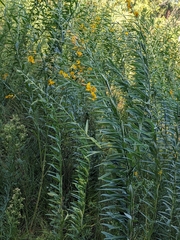 Crotalaria juncea Sunn hemp Photo: CC BY, Nick Doty
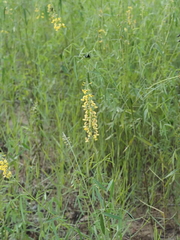 Crotalaria lanceolata Lanceleaf rattlebox Photo: CC BY, carter
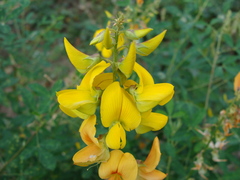 Crotalaria longirostrata Longbeak rattlebox Photo: CC BY, Alexis López Hernández
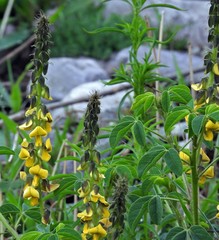 Crotalaria maypurensis Fabaceae Photo: CC0, author not stated
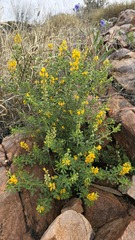 Crotalaria medicaginea Trefoil rattlepod Photo: CC BY, Petra Holland
 Crotalaria micans Caracas rattlebox Photo: CC BY, Robin White all 27 ›
Names & registers
The record
Every figure here is derived from public data by a stated rule and names its source; nothing about this species is written for its page by a person or by AI, apart from the marked, credited quotations. How →
Where this page came from built 2026-10-22
gbif.species answeredasked 2026-10-22gbif.synonyms answeredasked 2026-10-22gbif.vernacular answeredasked 2026-10-22names fetched 2026-10-22wcvp.distribution answeredas of 2026-06-04gbif.occurrences answeredas of 2026-10-21GBIF occurrence download https://doi.org/10.15468/dl.hbdw64, of 2026-10-21climate nothing to reportasked 2026-10-22only 1 distinct land cell of the climate grid holds an in-range record placed to within 10 km; three are needed for an envelopewikidata answeredasked 2026-10-22wikipedia answeredasked 2026-10-22inat.photos.wild answeredasked 2026-10-22from iNaturalist's open data of 2026-09-27: research-grade observations with an open-licence photograph, the 24 whose photographs iNaturalist received last (the open data holds no votes); filled 2026-10-22inat.photos.cultivated not askedgbif.media answeredasked 2026-10-22none of the photographs on this page is credited to GBIF: those shown are other sources', and GBIF's were the same photographs or were set aside by the photograph rulesopenalex not askednot yet asked for this reference; a later fill takes the papers from OpenAlex's snapshotEvery source is recorded as having answered, reported nothing, refused, failed, not been asked, or answered twice where one answer is taken (“not taken: two items answered”), and, for a source asked when this page was built, when: the figures are as the source held them that day; a source read from a file (Kew's World Checklist, a GBIF download) says "as of" the file's day instead; a row carried from an earlier build of the page names that build instead. Only “nothing to report” is ever shown as an absence. Records came from 7 datasets via GBIF.org; each carries its own licence.