
Cryptocarya latifolia Sond.
Broad-leaved Wild-quince; Bastard Stinkwood; Broad-Leafed Quince; Broad-Leaved Laurel


 11 photographs ›
About the genus · Cryptocarya
Cryptocarya is a genus of about 360 species of flowering plants in the laurel family, Lauraceae. Most species are trees, occasionally shrubs, distributed through the Neotropical, Afrotropical, Indomalayan, and Australasian realms. Most plants in the genus Cryptocarya have leaves arranged alternately along the stems, small flowers with 6 tepals, stamens in 2 rows, the inner row alternating with staminodes, and the fruit is a drupe.
Quoted from Wikipedia, "Cryptocarya", CC BY-SA 4.0.
Cultivation
Climate across the habitat
Natural habitat
How this section is made
Photographs


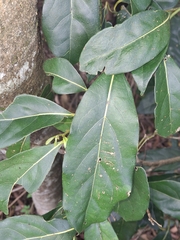
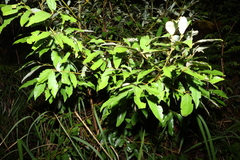
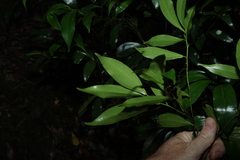
Photographs: (c) Mahomed Desai, some rights reserved (CC BY) (3); JMK, CC BY-SA 3.0, via Wikimedia Commons (3).
Related
Other Cryptocarya 16 in the reference
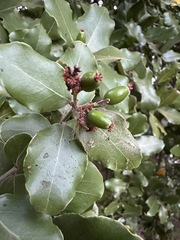 Cryptocarya alba Chilean Acorn Photo: CC BY, Matt Berger
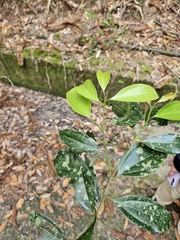 Cryptocarya chinensis Lauraceae Photo: CC BY, Yu-Chang Chen
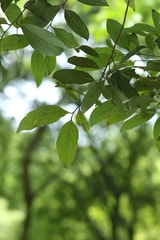 Cryptocarya concinna Lauraceae Photo: CC0, author not stated Cryptocarya elliptifolia Lauraceae
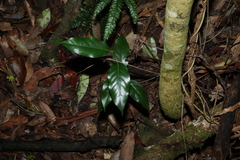 Cryptocarya erythroxylon Pigeonberry-ash Photo: CC BY-SA, Greg Tasney
 Cryptocarya foetida Stinking cryptocarya Photo: CC BY-SA, Greg Tasney
 Cryptocarya glaucescens Bolly-laurel Photo: CC BY-SA, Greg Tasney
 Cryptocarya laevigata Glossy laurel Photo: CC BY-SA, Greg Tasney
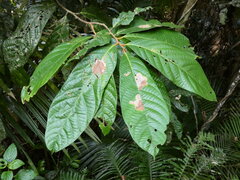 Cryptocarya mackinnoniana Mackinnon's Laurel Photo: CC BY-SA, Steve Fitzgerald
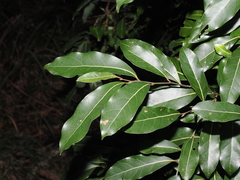 Cryptocarya microneura Brown jack Photo: CC BY, Lucas Christofides
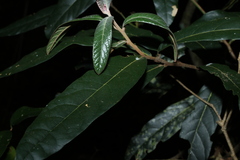 Cryptocarya obovata White-walnut Photo: CC BY-SA, Greg Tasney
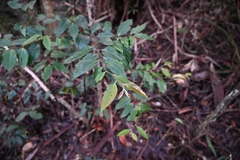 Cryptocarya rigida Forest-maple Photo: CC BY, Bryce Watts-Parker all 17 ›
Names & registers
The record
Every figure here is derived from public data by a stated rule and names its source; nothing about this species is written for its page by a person or by AI, apart from the marked, credited quotations. How →
Where this page came from built 2026-10-22
gbif.species answeredasked 2026-10-22gbif.synonyms answeredasked 2026-10-22gbif.vernacular answeredasked 2026-10-22names fetched 2026-10-22wcvp.distribution answeredas of 2026-06-04gbif.occurrences answeredas of 2026-10-21GBIF occurrence download https://doi.org/10.15468/dl.hbdw64, of 2026-10-21; 1 record within 1 km of a botanic garden, herbarium or zoo left out (1 at a botanic garden or arboretum; Wikidata's list)climate nothing to reportasked 2026-10-2259 in-range records, none placed to within 10 kmwikidata answeredasked 2026-10-22wikipedia nothing to reportasked 2026-10-22inat.photos.wild answeredasked 2026-10-22from iNaturalist's open data of 2026-09-27: research-grade observations with an open-licence photograph, the 24 whose photographs iNaturalist received last (the open data holds no votes); filled 2026-10-22inat.photos.cultivated not askedgbif.media answeredasked 2026-10-22none of the photographs on this page is credited to GBIF: those shown are other sources', and GBIF's were the same photographs or were set aside by the photograph rulescommons answeredasked 2026-10-22openalex not askednot yet asked for this reference; a later fill takes the papers from OpenAlex's snapshotEvery source is recorded as having answered, reported nothing, refused, failed, not been asked, or answered twice where one answer is taken (“not taken: two items answered”), and, for a source asked when this page was built, when: the figures are as the source held them that day; a source read from a file (Kew's World Checklist, a GBIF download) says "as of" the file's day instead; a row carried from an earlier build of the page names that build instead. Only “nothing to report” is ever shown as an absence. Records came from 5 datasets via GBIF.org; each carries its own licence.