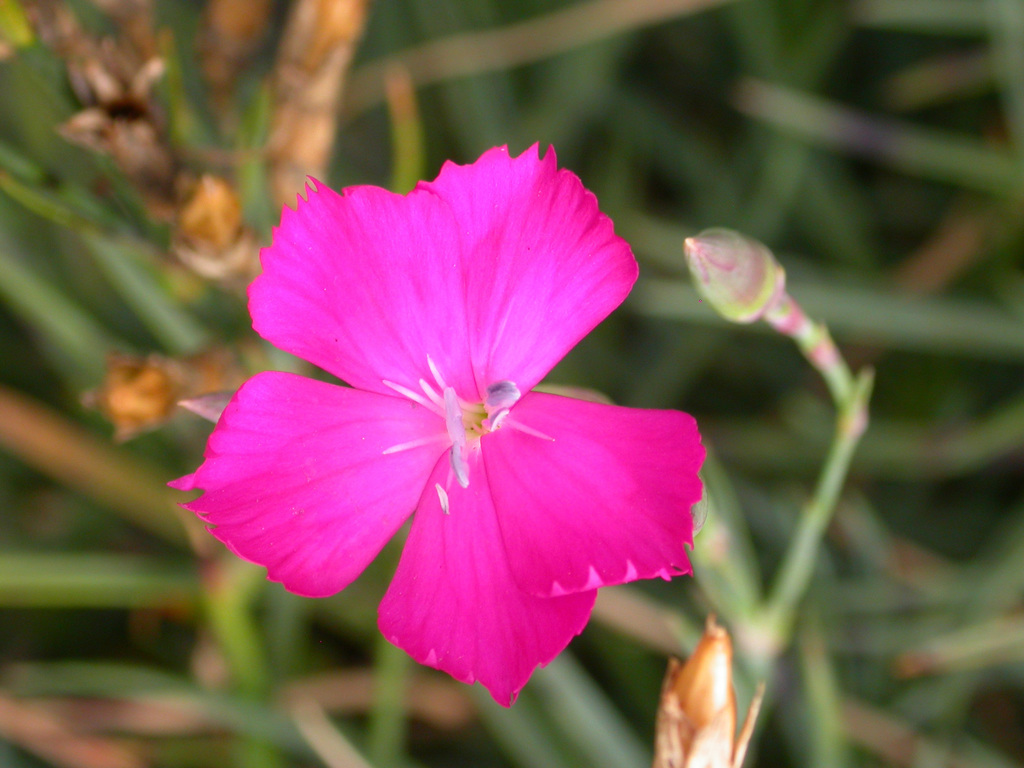
Dianthus caryophyllus L.
Border Carnation, Carnation, Carnation, Clove Pink
Every figure on this page is derived from public data by a stated rule and says its source; nothing here is written by a person or a model, except the Wikipedia passage, which is quoted and marked as such. How it is made.
Summary
Dianthus caryophyllus, commonly known as carnation or clove pink, is a species of Dianthus native to the Mediterranean region. While its exact natural range is uncertain due to extensive cultivation over the last 2,000 years, wild carnations are most common in the Mediterranean region. Carnations are prized for their wide variety of colors, delicate fringed petals, and fragrance, often described as spicy, clove-like, or reminiscent of a combination of cinnamon and nutmeg, hence the common name "clove pink". This aroma has made carnations a popular choice for use in perfumes, potpourri, and scented products. More on Wikipedia ›
The opening of Wikipedia, “Dianthus caryophyllus”, CC BY-SA 4.0, quoted as written. Kept separate from everything derived here.
About the genus · Dianthus
Dianthus is a genus of about 340 species of flowering plants in the family Caryophyllaceae, native mainly to Europe and Asia, with a few species in northern and southern Africa, and one species (D. repens) in arctic North America. A least two species are introduced in North America: Dianthus armeria and Dianthus deltoides. Common names include carnation (D. caryophyllus), pink, and sweet william (D. barbatus).
Text from Wikipedia, “Dianthus”, CC BY-SA 4.0, quoted as written.
Also known as Caryophyllus domesticus Bedevian; Caryophyllus tunica Garsault; Dianthus acinifolius Schur; Dianthus arbuscula Lindl.; Dianthus arenarius All. and 24 more.
Cultivation
Climate across the habitat
Natural habitat
Photographs
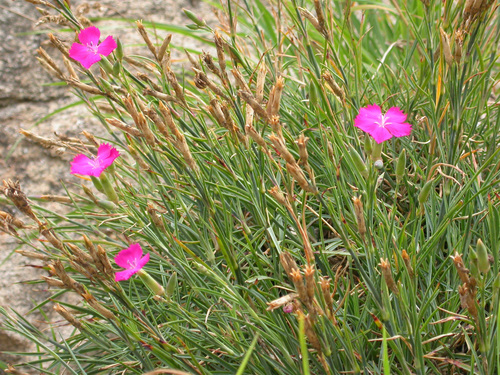
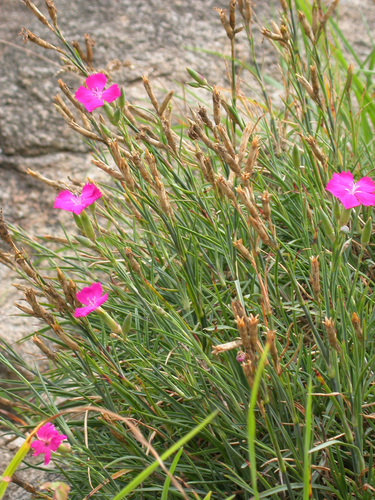
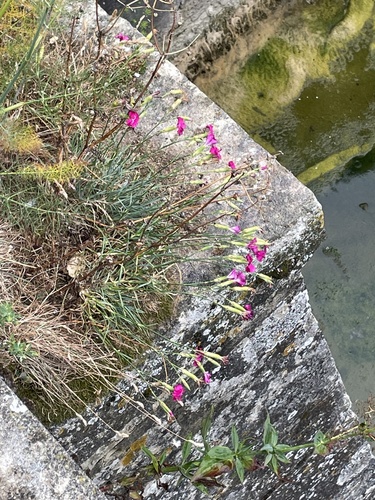


Photographs: (c) Yves Bas, some rights reserved (CC BY) (2); (c) Quentin His, some rights reserved (CC BY); Malý Luboš, CC BY-SA, via GBIF; Annie Pellegrini, CC BY-SA, via GBIF; Yahlid Mozun, CC BY-SA, via GBIF; Chérif-Jacques Allali, CC BY-SA, via GBIF; Hervé Huntzinger, CC BY-SA, via GBIF.
Photographs: iNaturalist did not answer when this page was built; what is shown came from the sources that did.
Papers naming this species
Works whose title or abstract names Dianthus caryophyllus, most cited first, from OpenAlex (CC0). A mention, not a cultivation source: nothing on this page is drawn from them.
Related
Other Dianthus 6 in the reference
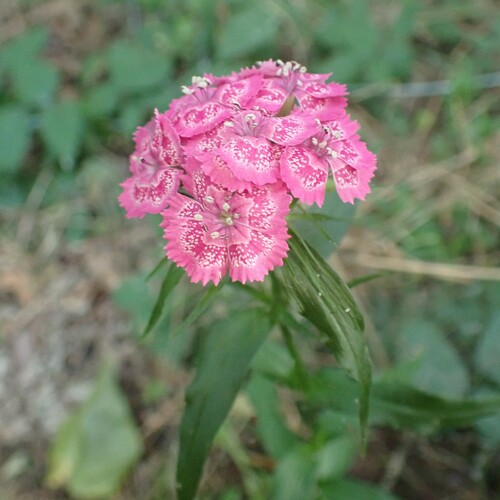 Dianthus barbatus Sweet William [Dianthus]
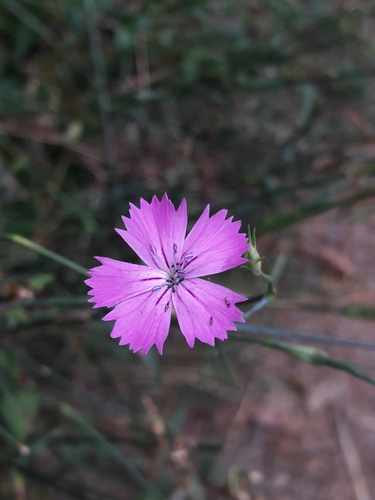 Dianthus carthusianorum Carthusian Pink
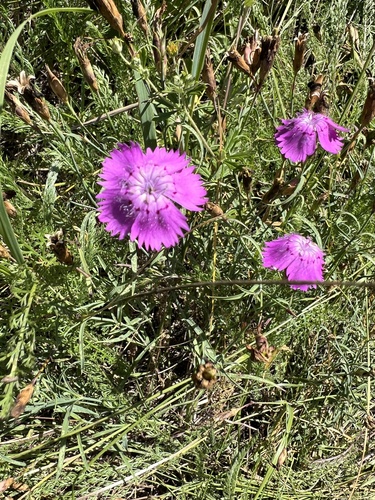 Dianthus chinensis China pink
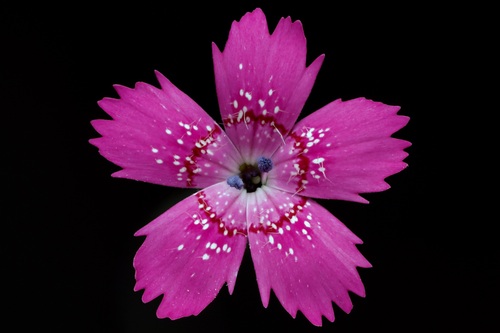 Dianthus deltoides Maiden Pink
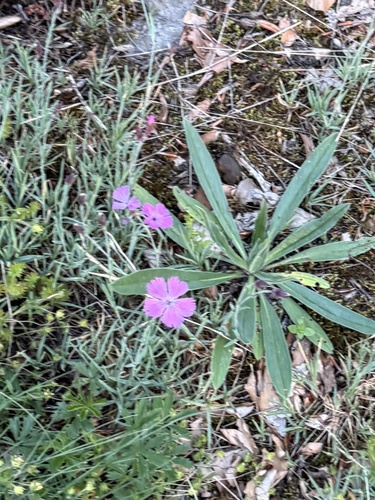 Dianthus gratianopolitanus Cheddar Pink
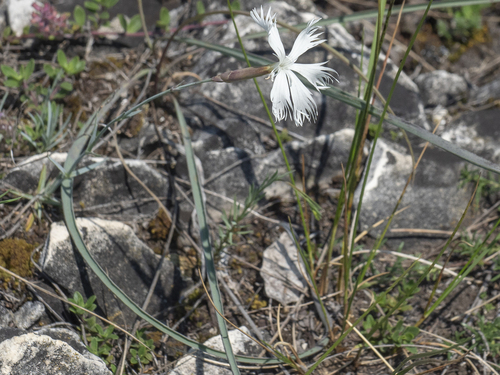 Dianthus plumarius Common Pink
 History & registers
Where this page came from built 2026-09-20 · dossier v2 · node
gbif.species answeredcarried from build of 2026-09-20 (offline re-derivation; the backbone was not asked)gbif.synonyms answeredcarried from build of 2026-09-20 (offline re-derivation; the backbone was not asked)gbif.vernacular answeredcarried from build of 2026-09-20 (offline re-derivation; the backbone was not asked)wcvp.distribution answeredgbif.occurrences answeredGBIF occurrence download https://doi.org/10.15468/dl.3h4zamclimate nothing to reportwikidata answeredcarried from build of 2026-09-20 (rederive); that build: carried from build of 2026-09-19 (rederive); that build: carried from build of 2026-09-19 (rederive)wikipedia answeredcarried from build of 2026-09-20; this build: skippedinat.taxon not askedcarried from build of 2026-09-20 (rederive)inat.photos.wild answeredcarried from build of 2026-09-20; this build: skippedinat.photos.cultivated nothing to reportcarried from build of 2026-09-20 (rederive); that build: carried from build of 2026-09-19 (rederive); that build: carried from build of 2026-09-19 (rederive)commons nothing to reportcarried from build of 2026-09-20 (rederive); that build: carried from build of 2026-09-19 (rederive); that build: carried from build of 2026-09-19 (rederive)gbif.media answeredopenalex answeredcarried from build of 2026-09-20; this build: skippedEvery upstream is recorded as having answered, reported nothing, or refused. Only “nothing to report” is ever shown as an absence. Records came from 104 datasets via GBIF.org; each carries its own licence.