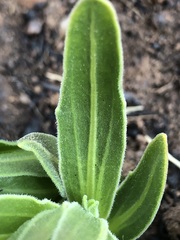
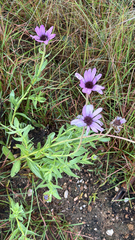
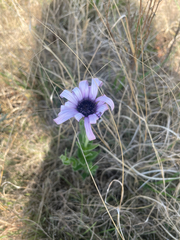
 76 photographs ›
Summary
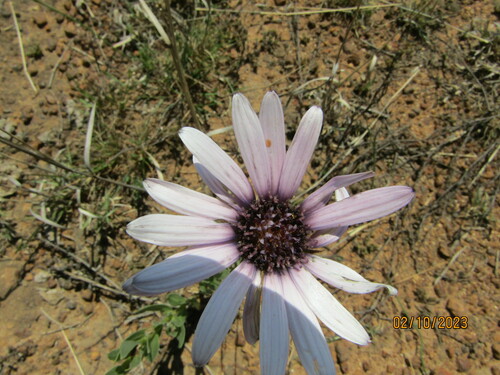
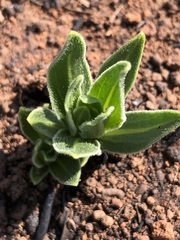
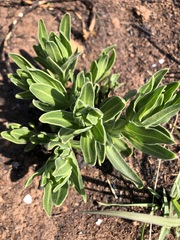
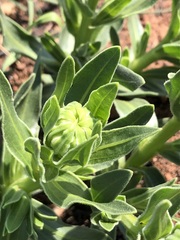
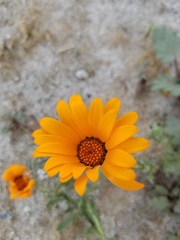
Dimorphotheca spectabilis is a plant that belongs to the genus Dimorphotheca. The species is endemic to KwaZulu-Natal Province of South Africa.
Quoted from Wikipedia, "Dimorphotheca spectabilis", CC BY-SA 4.0.
About the genus · Dimorphotheca
Dimorphotheca is a genus of plants in the family Asteraceae, native to southern Africa. is one of eight genera of the Calenduleae, with a centre of diversity in Southern Africa. Species are native to Botswana, Eswatini, Lesotho, Namibia, South Africa, and Zimbabwe. Some species can hybridize with Osteospermum, and crosses are sold as cultivated ornamentals.
Quoted from Wikipedia, "Dimorphotheca", CC BY-SA 4.0.
Cultivation
Climate across the habitat
Natural habitat
Photographs
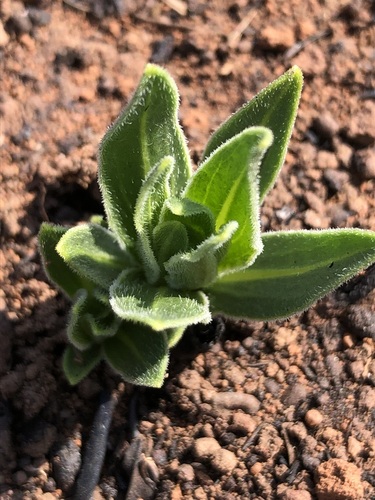
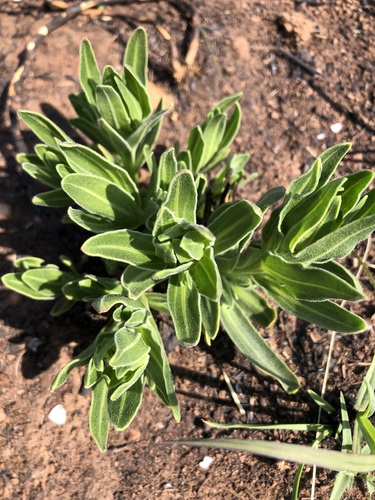
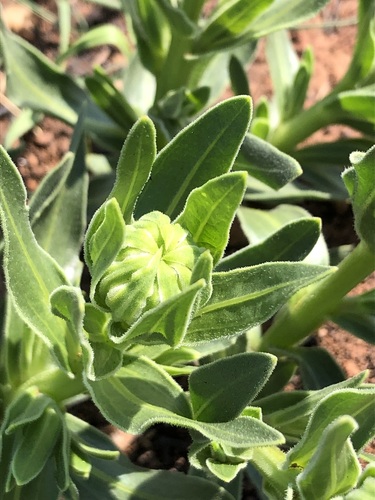
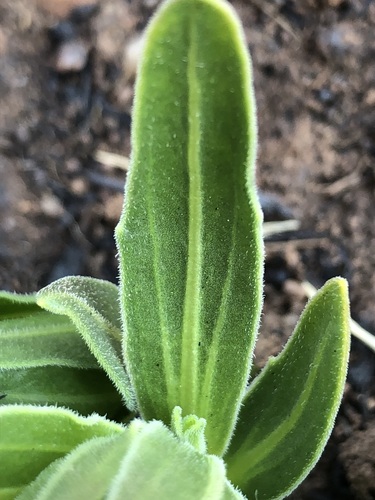
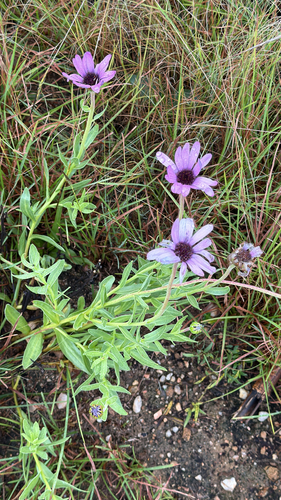
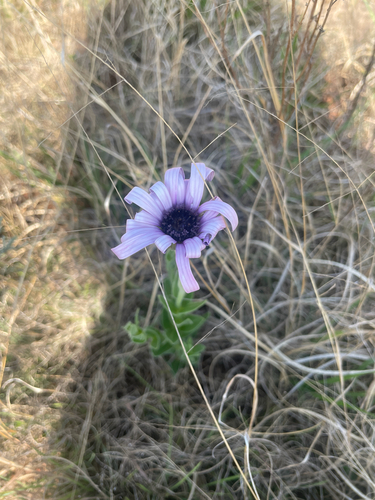
Photographs: (c) Tam, some rights reserved (CC BY-SA) (4); (c) alanbedfordshaw, some rights reserved (CC BY-SA); (c) Justin Ponder, some rights reserved (CC BY).
Related
Other Dimorphotheca 9 in the reference
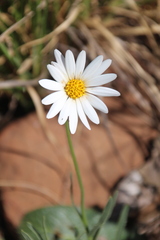 Dimorphotheca caulescens Longstem Rain Daisy Photo: CC0, author not stated
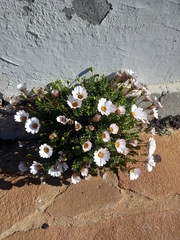 Dimorphotheca cuneata Bride's Bouquet Photo: CC BY, Christiaan Viljoen
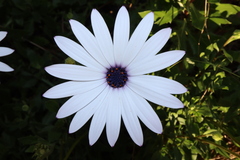 Dimorphotheca ecklonis Vanstaden's river daisy Photo: CC BY, Thomas Mesaglio
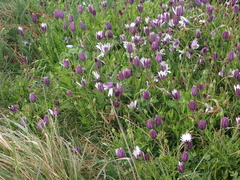 Dimorphotheca fruticosa Asteraceae Photo: CC BY, Arnim Littek
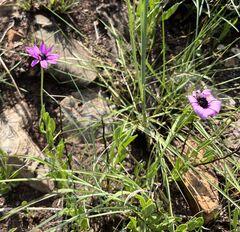 Dimorphotheca jucunda Cape daisy Photo: CC BY, katuchka
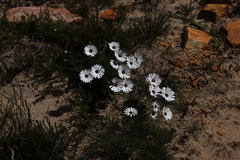 Dimorphotheca nudicaulis African oxeye Photo: CC BY-SA, Tony Rebelo
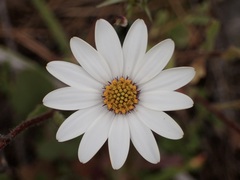 Dimorphotheca pluvialis Weather prophet Photo: CC BY, Cricket Raspet
 Dimorphotheca sinuata Glandular Cape marigold Photo: CC0, author not stated
 Dimorphotheca tragus Asteraceae Photo: CC BY-SA, Tony Rebelo
Names & registers
Also known as Castalis spectabilis. (GBIF Backbone)
Under another author Dimorphotheca ecklonis Harv. is an older name of this species, not Dimorphotheca ecklonis, a species of the reference. (GBIF Backbone)
The record
Every figure here is derived from public data by a stated rule and names its source; nothing about this species is written for its page by a person or by AI, apart from the marked, credited quotations. How →
Where this page came from built 2026-10-22
gbif.species answeredasked 2026-10-22gbif.synonyms answeredasked 2026-10-22gbif.vernacular answeredasked 2026-10-22names fetched 2026-10-22wcvp.distribution answeredas of 2026-06-04gbif.occurrences answeredas of 2026-10-21GBIF occurrence download https://doi.org/10.15468/dl.hbdw64, of 2026-10-21; 18 records within 1 km of a botanic garden, herbarium or zoo left out (17 at a botanic garden or arboretum, 1 at a zoo; Wikidata's list)climate nothing to reportasked 2026-10-22no georeferenced record inside the rangewikidata answeredasked 2026-10-22wikipedia answeredasked 2026-10-22inat.photos.wild answeredasked 2026-10-22from iNaturalist's open data of 2026-09-27: research-grade observations with an open-licence photograph, the 24 whose photographs iNaturalist received last (the open data holds no votes); filled 2026-10-22inat.photos.cultivated not askedgbif.media answeredasked 2026-10-22openalex not askednot yet asked for this reference; a later fill takes the papers from OpenAlex's snapshotEvery source is recorded as having answered, reported nothing, refused, failed, not been asked, or answered twice where one answer is taken (“not taken: two items answered”), and, for a source asked when this page was built, when: the figures are as the source held them that day; a source read from a file (Kew's World Checklist, a GBIF download) says "as of" the file's day instead; a row carried from an earlier build of the page names that build instead. Only “nothing to report” is ever shown as an absence. Records came from 4 datasets via GBIF.org; each carries its own licence.