
Diospyros tessellaria Poir.
Black Ebony; Mauritius Black Ebony


 13 photographs ›
Summary
Diospyros tessellaria (black ebony, bois d'ebene noir or Mauritian ebony) is a species of tree in the family Ebenaceae.
Quoted from Wikipedia, "Diospyros tessellaria", CC BY-SA 4.0.
About the genus · Diospyros
Diospyros is a genus of over 700 species of deciduous and evergreen trees and shrubs, which are typically dioecious. The majority are native to the tropics and many are of local ecological importance.
Quoted from Wikipedia, "Diospyros", CC BY-SA 4.0.
Cultivation
Climate across the habitat
Natural habitat
How this section is made
Photographs


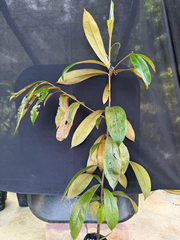
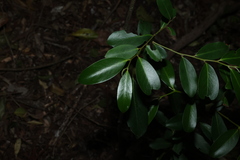
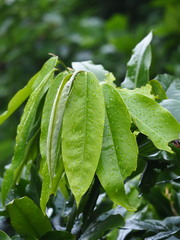
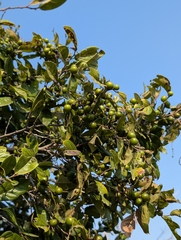
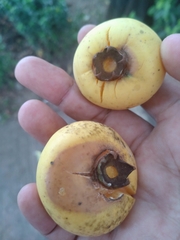
Photographs: Abu Shawka, CC0, via Wikimedia Commons (2); S Molteno, CC0, via Wikimedia Commons (4).
Related
Other Diospyros 59 in the reference
 Diospyros anisandra Ebenaceae Photo: CC BY-SA, ferleyva_
 Diospyros argentea Silver-leaved Ebony Photo: CC BY, Adam Kamal Diospyros armata Ebenaceae
 Diospyros australis Ebenaceae Photo: CC BY-SA, Greg Tasney
 Diospyros blancoi Mabolo Photo: CC0, author not stated
 Diospyros buxifolia Ebenaceae Photo: CC0, author not stated
 Diospyros cathayensis Ebenaceae Photo: CC BY-SA, Dieter Albrecht
 Diospyros celebica Indonesian Ebony Photo: CC BY-SA, Stevanopuasa
 Diospyros chloroxylon Green ebony persimmon Photo: CC BY, Ravuri Krishna Chaitanya Diospyros conzattii Ebenaceae Diospyros dasyphylla Ebenaceae
 Diospyros decandra Ebenaceae Photo: CC BY, Utain Pummarin all 60 ›
Names & registers
Also known as Diospyros reticulata; Ebenus tessellaria. (GBIF Backbone)
Under another author Diospyros ebenum Poir. is an older name of this species, not Diospyros ebenum, a species of the reference. (GBIF Backbone)
The record
Every figure here is derived from public data by a stated rule and names its source; nothing about this species is written for its page by a person or by AI, apart from the marked, credited quotations. How →
Where this page came from built 2026-10-22
gbif.species answeredasked 2026-10-22gbif.synonyms answeredasked 2026-10-22gbif.vernacular answeredasked 2026-10-22names fetched 2026-10-22wcvp.distribution answeredas of 2026-06-04gbif.occurrences answeredas of 2026-10-21GBIF occurrence download https://doi.org/10.15468/dl.hbdw64, of 2026-10-21climate nothing to reportasked 2026-10-22only 1 distinct land cell of the climate grid holds an in-range record placed to within 10 km; three are needed for an envelopewikidata answeredasked 2026-10-22wikipedia answeredasked 2026-10-22inat.photos.wild nothing to reportasked 2026-10-22from iNaturalist's open data of 2026-09-27: research-grade observations with an open-licence photograph, the 24 whose photographs iNaturalist received last (the open data holds no votes); filled 2026-10-22inat.photos.cultivated not askedgbif.media answeredasked 2026-10-22commons answeredasked 2026-10-22openalex not askednot yet asked for this reference; a later fill takes the papers from OpenAlex's snapshotEvery source is recorded as having answered, reported nothing, refused, failed, not been asked, or answered twice where one answer is taken (“not taken: two items answered”), and, for a source asked when this page was built, when: the figures are as the source held them that day; a source read from a file (Kew's World Checklist, a GBIF download) says "as of" the file's day instead; a row carried from an earlier build of the page names that build instead. Only “nothing to report” is ever shown as an absence. Records came from 6 datasets via GBIF.org; each carries its own licence.