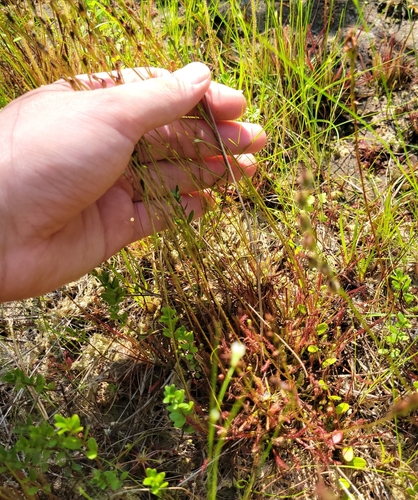
Drosera × hybrida Macf.
Hybrid sundew
A hybrid: D. filiformis × D. intermedia, the parents Kew's World Checklist states for it (WCVP, RBG Kew).
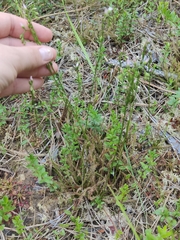
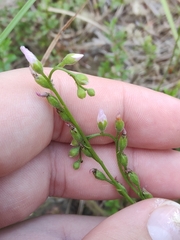
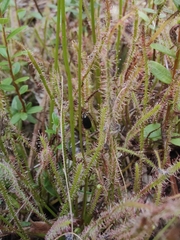
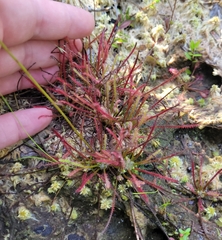
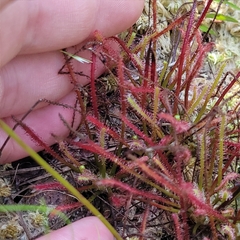
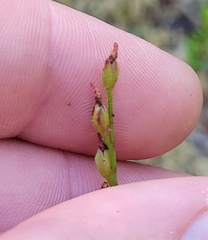 14 photographs ›
About the genus · Drosera
Drosera, which is commonly known as the sundews, is one of the largest genera of carnivorous plants, with at least 194 species. These members of the family Droseraceae lure, capture, and digest insects using stalked mucilaginous glands covering their leaf surfaces. The insects are used to supplement the poor mineral nutrition of the soil in which the plants grow. More on Wikipedia ›
Quoted from Wikipedia, "Drosera", CC BY-SA 4.0.
Cultivation
Grouped as a carnivorous plant, listed under the genus Drosera in the archetype table, and Kew describes it as “perennial”.
How this section is made
Each card states this species' habitat figures with their sources, and what two fixed rules read from them; nothing here says what the plant does, wants or tolerates. The rules · the terms.
Group. Listed under the genus Drosera in the archetype table, and Kew describes it as “perennial”. A group is taken only where Kew's description of the species agrees with the table's listing. The table gives no figure and no prose; the cold floor is the habitat's alone.
Climate across the habitat
Natural habitat
How this section is made
Photographs
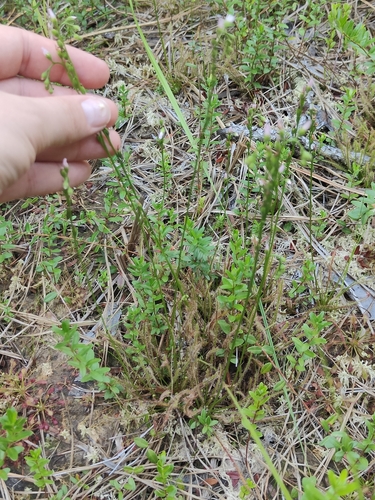
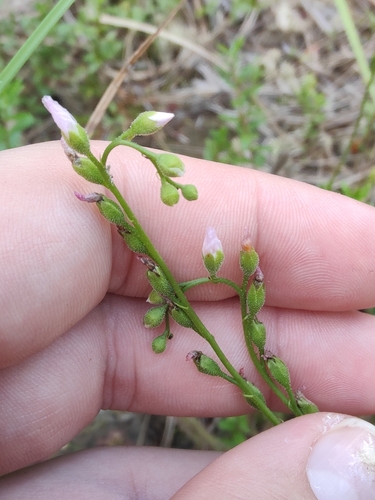
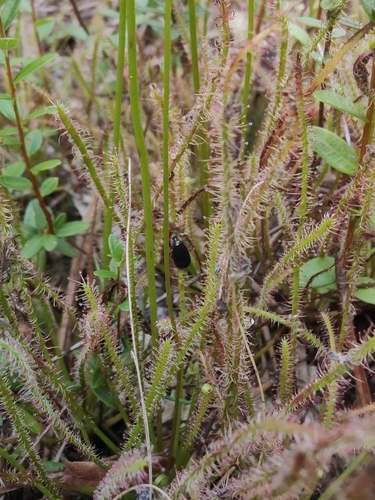
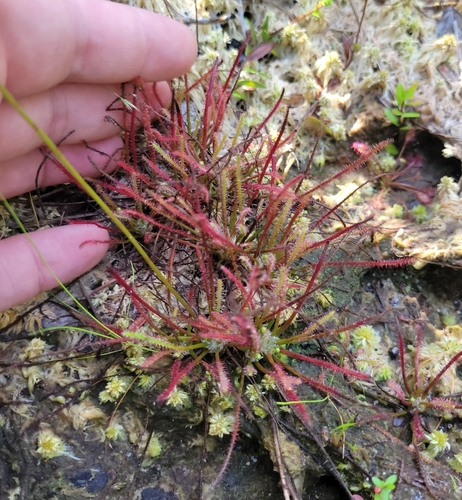
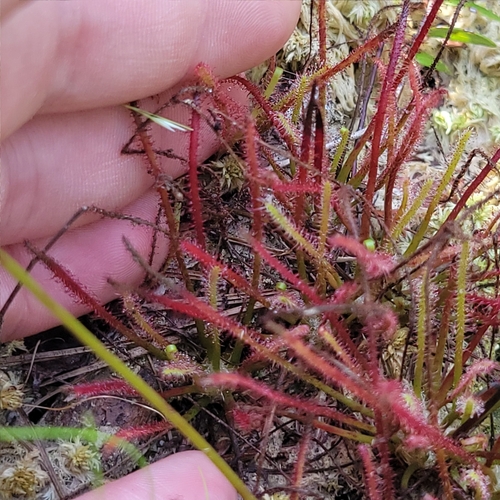
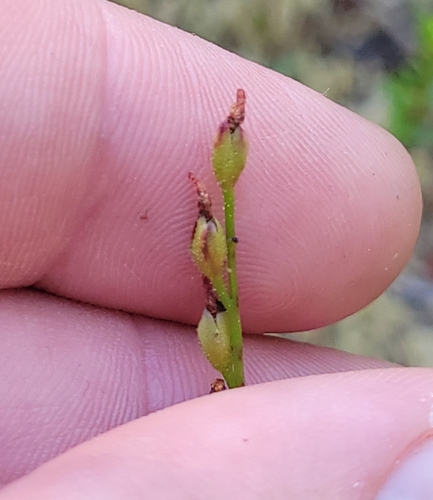
Photographs: jamie bee, CC BY, iNaturalist via GBIF (6).
Related
Other Drosera 260 in the reference
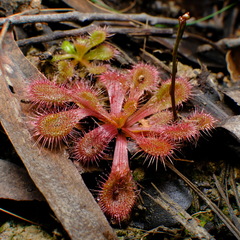 Drosera aberrans Scented sundew Photo: CC BY, Peter Crowcroft
 Drosera acaulis Droseraceae Photo: CC BY-SA, Chris Vynbos Drosera actinioides Droseraceae
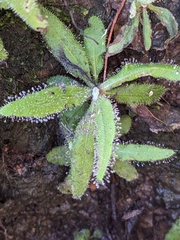 Drosera adelae Droseraceae Photo: CC BY, Matt B
 Drosera admirabilis Droseraceae Photo: CC BY-SA, Brentbenedum
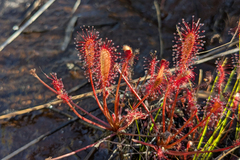 Drosera affinis Slender-leaved Sundew Photo: CC BY, Kristof Zyskowski
 Drosera alba White Sundew Photo: CC0, author not stated
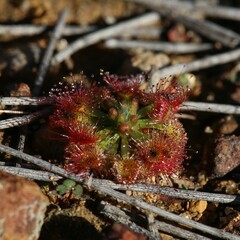 Drosera albonotata Droseraceae Photo: CC BY, Hugo Innes
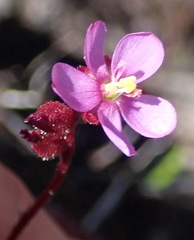 Drosera aliciae Alice sundew Photo: CC BY-SA, Nicola van Berkel
 Drosera allantostigma Pygmy Sundew Photo: CC BY-SA, DevOhm
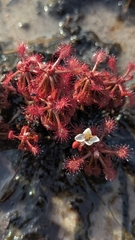 Drosera amazonica Droseraceae Photo: CC BY-SA, Thibaud Aronson
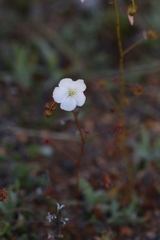 Drosera andersoniana Droseraceae Photo: CC BY, Hugo Innes all 261 ›
Names & registers
The record
Every figure here is derived from public data by a stated rule and names its source; nothing about this species is written for its page by a person or by AI, apart from the marked, credited quotations. How →
Where this page came from built 2026-10-22
gbif.species answeredasked 2026-10-22gbif.synonyms answeredasked 2026-10-22gbif.vernacular answeredasked 2026-10-22names fetched 2026-10-22wcvp.distribution answeredas of 2026-06-04the range is Kew's entry Drosera × hybrida Macfarl.; the name is cited Macf.gbif.occurrences answeredas of 2026-10-21GBIF occurrence download https://doi.org/10.15468/dl.hbdw64, of 2026-10-21climate nothing to reportasked 2026-10-2210 in-range records, none placed to within 10 kmwikidata nothing to reportasked 2026-10-22not taken: the item that gives Drosera hybrida as an alias, Q17247292, carries GBIF key 3190801, GBIF's record of Drosera hybrida Macfarl., another author's namewikipedia nothing to reportasked 2026-10-22inat.taxon not askedinat.photos.wild not askedinat.photos.cultivated not askedgbif.media answeredasked 2026-10-22openalex not askednot yet asked for this reference; a later fill takes the papers from OpenAlex's snapshotEvery source is recorded as having answered, reported nothing, refused, failed, not been asked, or answered twice where one answer is taken (“not taken: two items answered”), and, for a source asked when this page was built, when: the figures are as the source held them that day; a source read from a file (Kew's World Checklist, a GBIF download) says "as of" the file's day instead; a row carried from an earlier build of the page names that build instead. Only “nothing to report” is ever shown as an absence. Records came from 1 datasets via GBIF.org; each carries its own licence.