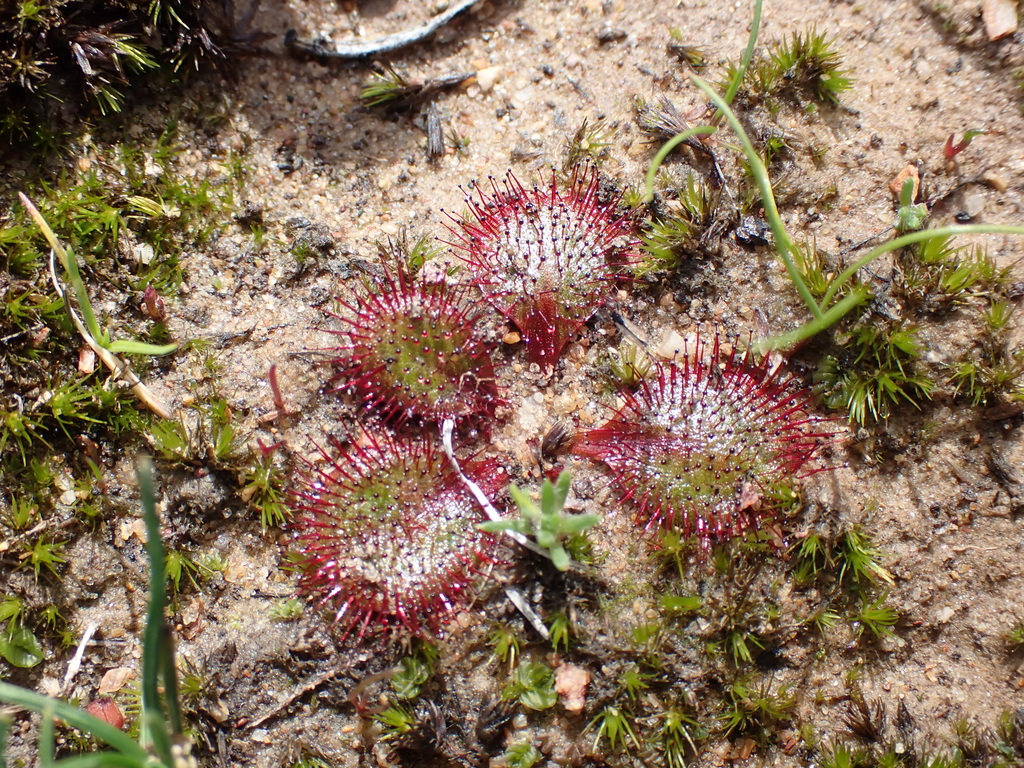
Drosera orbiculata N.Marchant & Lowrie
Droseraceae
Every figure on this page is derived from public data by a stated rule and says its source; nothing here is written by a person or a model, except the Wikipedia passage, which is quoted and marked as such. How it is made.
Summary
Drosera orbiculata is a perennial tuberous species in the genus Drosera that is endemic to Western Australia. It grows in a rosette about 1.5 cm in diameter. It is native to an area 1.3 km north of Gillingarra near Perth. It grows in sandy clay soils in winter-wet depressions and washes. More on Wikipedia ›
The opening of Wikipedia, “Drosera orbiculata”, CC BY-SA 4.0, quoted as written. Kept separate from everything derived here.
About the genus · Drosera
Drosera, which is commonly known as the sundews, is one of the largest genera of carnivorous plants, with at least 194 species. These members of the family Droseraceae lure, capture, and digest insects using stalked mucilaginous glands covering their leaf surfaces. The insects are used to supplement the poor mineral nutrition of the soil in which the plants grow. More on Wikipedia ›
The opening of Wikipedia, “Drosera”, CC BY-SA 4.0, quoted as written.
Also known as Sondera orbiculata (N.G.Marchant & Lowrie) Chrtek & Slavíková.
Cultivation
Grouped as a carnivorous plant by the genus Drosera, which is reliably one kind of plant (archetype table). The table holds no figure for this group, which spans too much for one minimum, and no habitat climate is derived yet; no cold floor is given, and no prose comes from the table.
Climate across the habitat
Natural habitat
Photographs
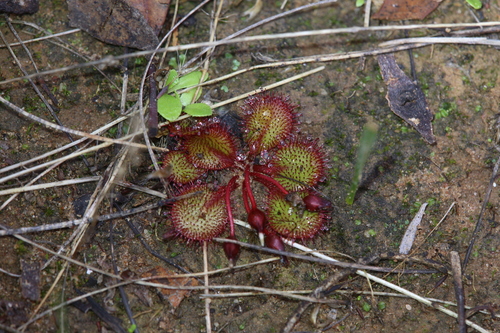
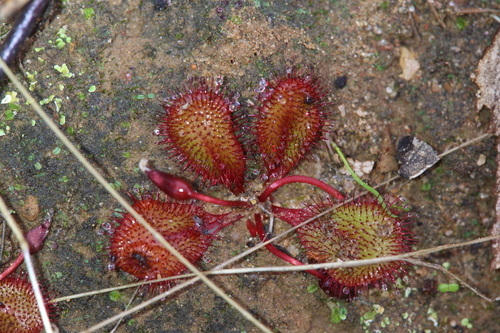
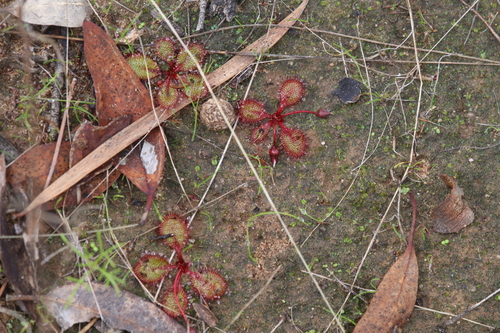
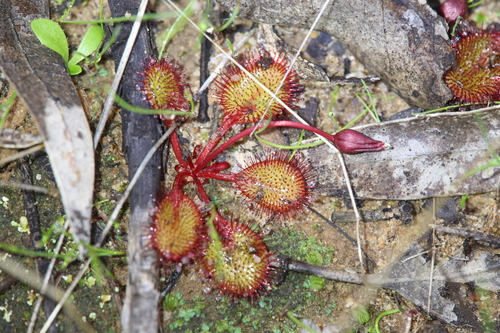
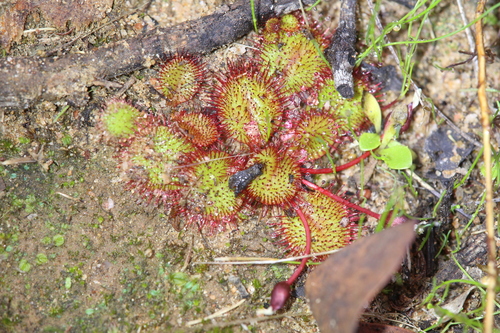
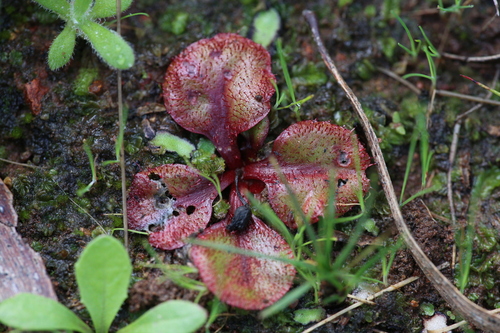
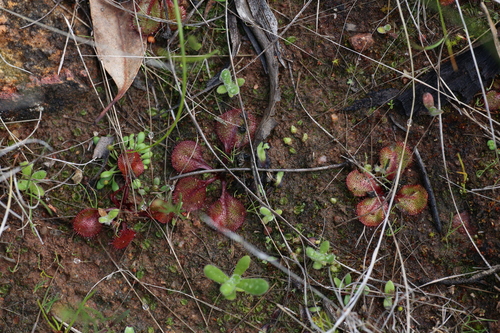
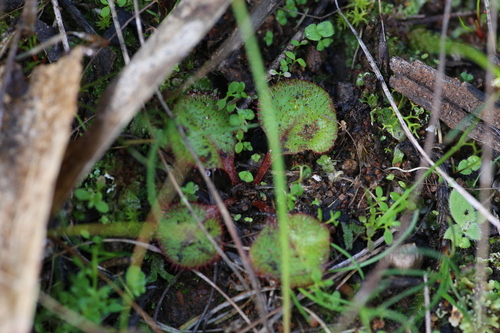
Photographs: (c) Hugo Innes, some rights reserved (CC BY) (8).
Photographs: iNaturalist did not answer when this page was built; what is shown came from the sources that did.
Papers naming this species
Works whose title or abstract names Drosera orbiculata, most cited first, from OpenAlex (CC0). A mention, not a cultivation source: nothing on this page is drawn from them.
Related
Other Drosera 203 in the reference
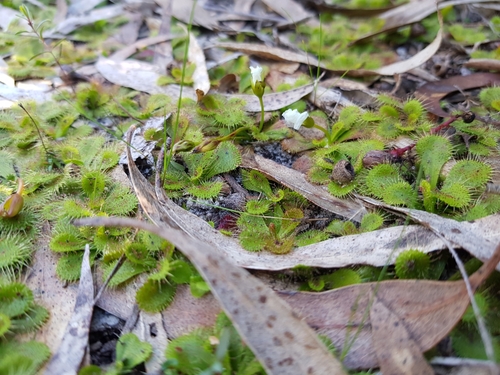 Drosera aberrans scented sundew
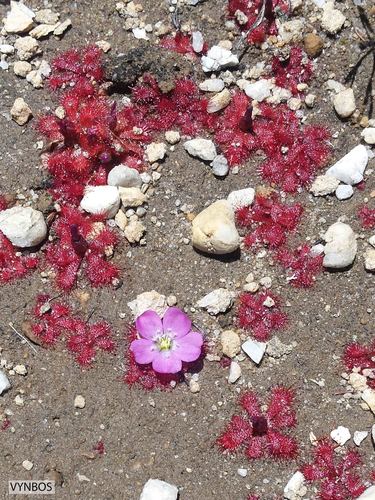 Drosera acaulis Droseraceae
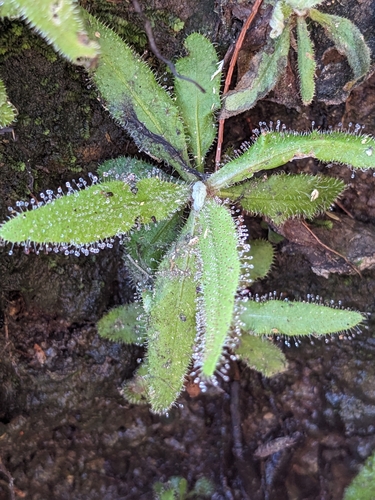 Drosera adelae Droseraceae
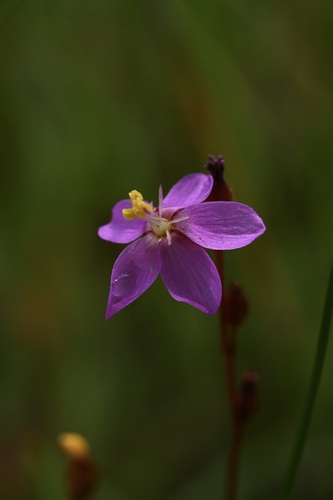 Drosera affinis Slender-leaved Sundew
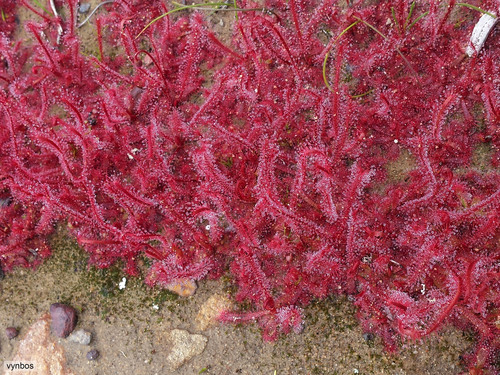 Drosera alba White Sundew
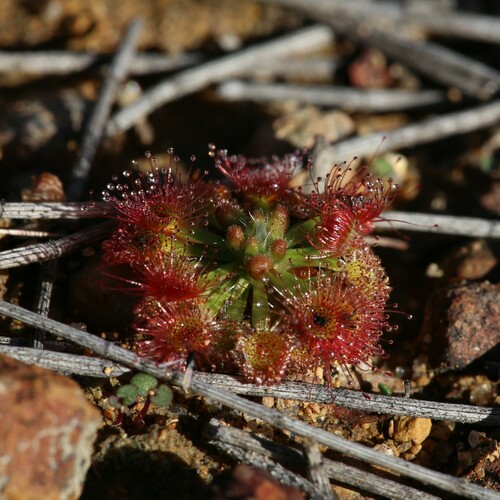 Drosera albonotata Droseraceae
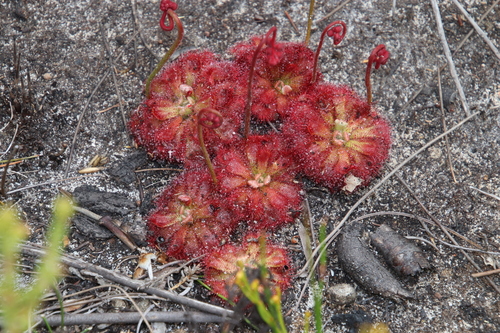 Drosera aliciae Alice Sundew Drosera allantostigma Pygmy Sundew
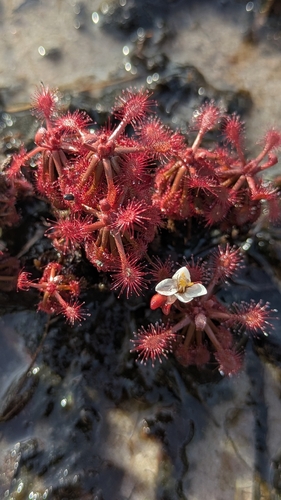 Drosera amazonica Droseraceae
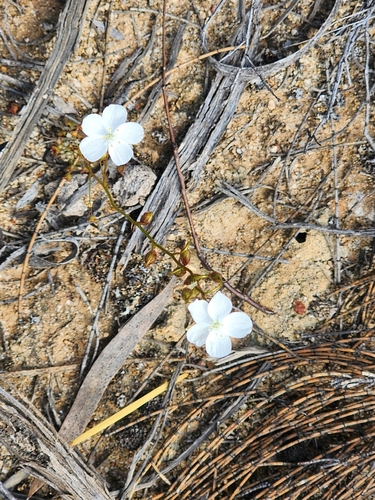 Drosera andersoniana Droseraceae
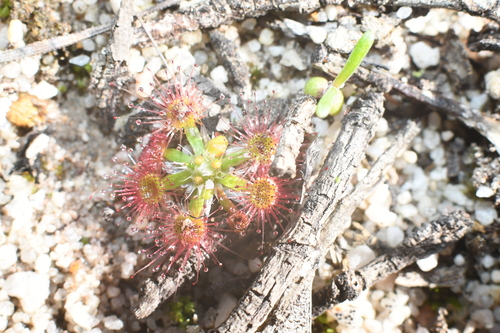 Drosera androsacea Droseraceae
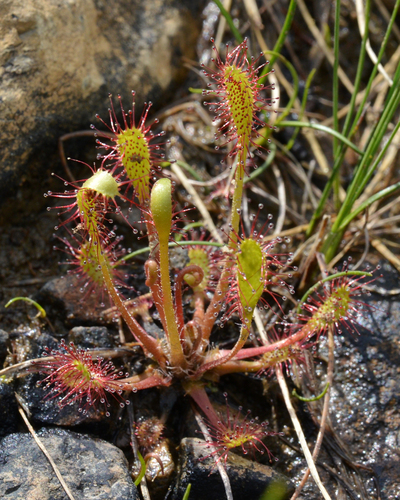 Drosera anglica English Sundew all 204 ›
History & registers
Where this page came from built 2026-09-20 · dossier v2 · node
gbif.species answeredcarried from build of 2026-09-19 (offline re-derivation; the backbone was not asked)gbif.synonyms answeredcarried from build of 2026-09-19 (offline re-derivation; the backbone was not asked)gbif.vernacular answeredcarried from build of 2026-09-19 (offline re-derivation; the backbone was not asked)wcvp.distribution answeredgbif.occurrences answeredGBIF occurrence download https://doi.org/10.15468/dl.3h4zamclimate nothing to reportwikidata answeredcarried from build of 2026-09-19 (rederive); that build: carried from build of 2026-09-19 (rederive)wikipedia answeredcarried from build of 2026-09-19; this build: skippedinat.taxon not askedinat.photos.wild answeredcarried from build of 2026-09-19; this build: skippedinat.photos.cultivated nothing to reportcarried from build of 2026-09-19 (rederive); that build: carried from build of 2026-09-19 (rederive)commons nothing to reportcarried from build of 2026-09-19 (rederive); that build: carried from build of 2026-09-19 (rederive)gbif.media answeredopenalex answeredcarried from build of 2026-09-19; this build: skippedEvery upstream is recorded as having answered, reported nothing, or refused. Only “nothing to report” is ever shown as an absence. Records came from 2 datasets via GBIF.org; each carries its own licence.