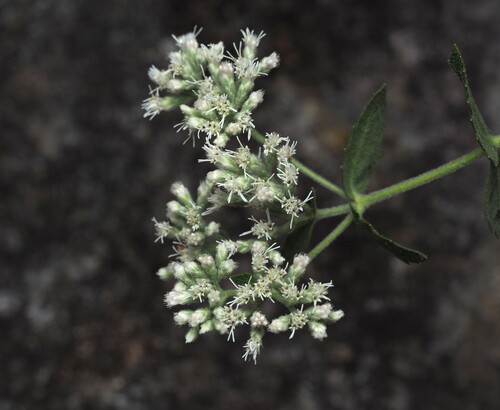
Eupatorium pubescens Muhl. ex Willd.
· doubtful
Cited as Kew's World Checklist cites it, Eupatorium pubescens Muhl. ex Willd.: GBIF's backbone key for this page carries the name with another author, Muhl.
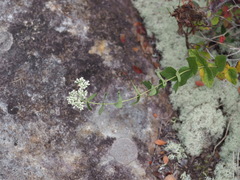
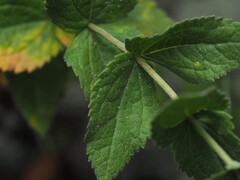
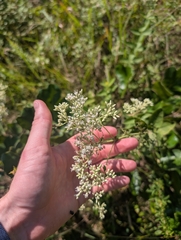
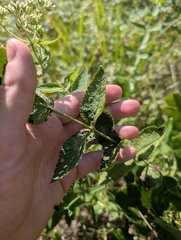
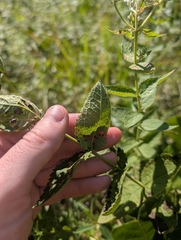
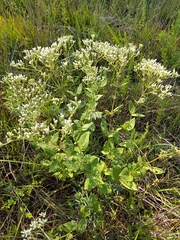 87 photographs ›
About the genus · Eupatorium
Eupatorium is a genus of flowering plants in the family Asteraceae, containing from 36 to 60 species depending on the classification system. Most are herbaceous perennials growing to 0.5–3 m (1.6–9.8 ft) tall. A few are shrubs. More on Wikipedia ›
Quoted from Wikipedia, "Eupatorium", CC BY-SA 4.0.
Cultivation
Climate across the habitat
Natural habitat
How this section is made
Photographs
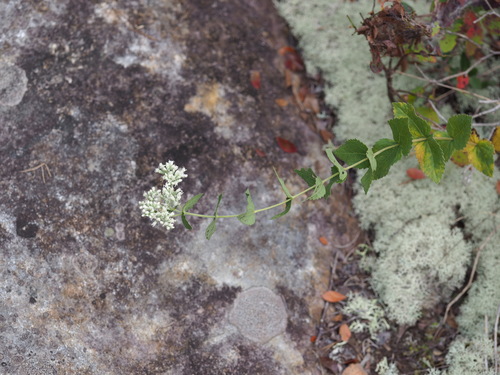
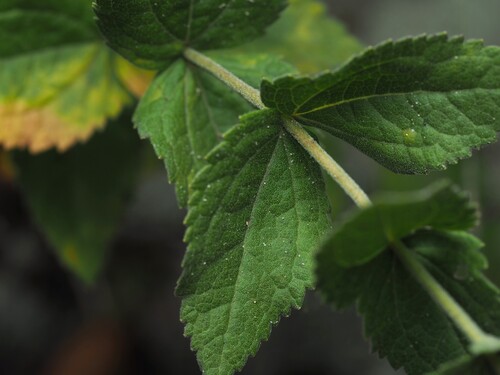
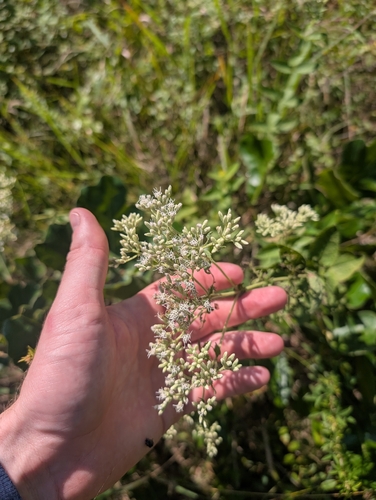
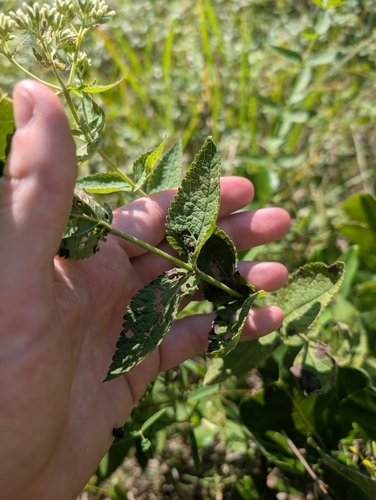
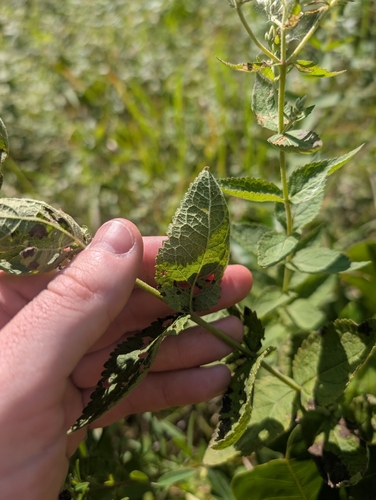
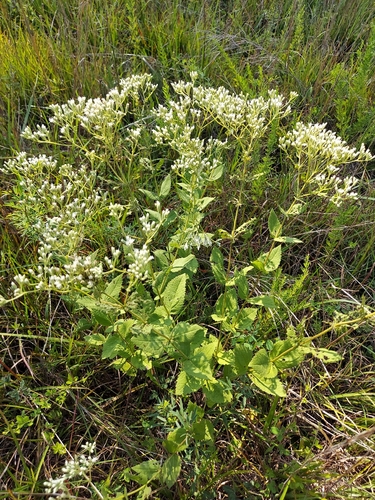
Photographs: author not stated, no rights reserved · CC0 (3); (c) Connor McInerney, some rights reserved (CC BY) (3).
Related
Other Eupatorium 26 in the reference
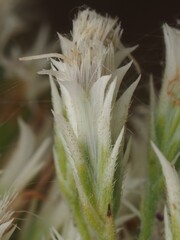 Eupatorium album White thoroughwort Photo: CC BY, carter
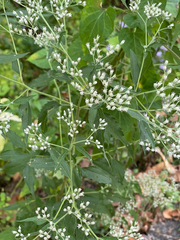 Eupatorium altissimum Tall thoroughwort Photo: CC0, author not stated
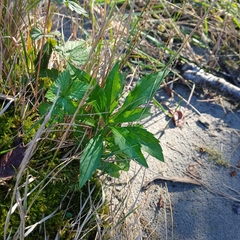 Eupatorium cannabinum Hemp agrimony Photo: CC BY, Michael Grundner
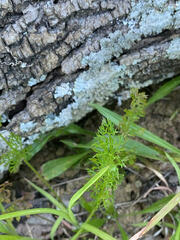 Eupatorium capillifolium Dog-fennel Photo: CC0, author not stated
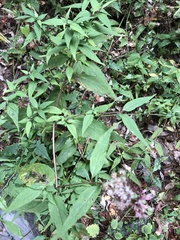 Eupatorium chinense Asteraceae Photo: CC BY, 鄭雪雲
 Eupatorium compositifolium Yankeeweed Photo: CC BY, Athena Philips
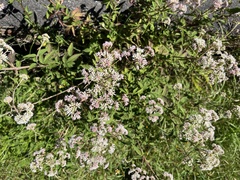 Eupatorium formosanum Ground qalanis Photo: CC BY, 謝麗霦
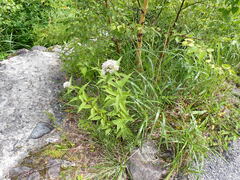 Eupatorium glehnii Asteraceae Photo: CC BY, W Rao
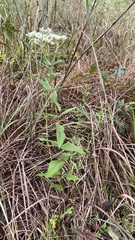 Eupatorium godfreyanum Godfrey's thoroughwort Photo: CC0, author not stated
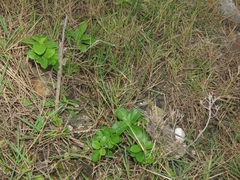 Eupatorium hualienense Asteraceae Photo: CC BY, chiuluan
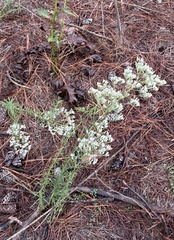 Eupatorium hyssopifolium Hyssop-leaf thoroughwort Photo: CC0, author not stated
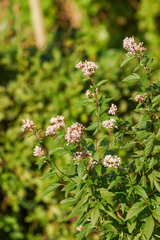 Eupatorium japonicum Fragrant eupatorium Photo: CC BY, WATANABE Hitoshi 渡辺仁 all 27 ›
Names & registers
The record
Every figure here is derived from public data by a stated rule and names its source; nothing about this species is written for its page by a person or by AI, apart from the marked, credited quotations. How →
Where this page came from built 2026-10-22
gbif.species answeredasked 2026-10-22GBIF's key 7571645 is Eupatorium pubescens Muhl.; the page links Kew's Eupatorium pubescens Muhl. ex Willd., and the name is cited as Kew cites itgbif.synonyms answeredasked 2026-10-22gbif.vernacular answeredasked 2026-10-22names fetched 2026-10-22wcvp.distribution answeredas of 2026-06-04gbif.occurrences answeredas of 2026-10-21GBIF occurrence download https://doi.org/10.15468/dl.hbdw64, of 2026-10-21; 5 records within 1 km of a botanic garden, herbarium or zoo left out (5 at a botanic garden or arboretum; Wikidata's list)climate nothing to reportasked 2026-10-22only 2 distinct land cells of the climate grid hold an in-range record placed to within 10 km; three are needed for an envelopewikidata answeredasked 2026-10-22found by its label; its POWO identifier 206720-1 is Kew's for Eupatorium pubescens Muhl. ex Willd.wikipedia nothing to reportasked 2026-10-22Wikipedia redirects Eupatorium pubescens to Eupatorium rotundifoliuminat.photos.wild answeredasked 2026-10-22from iNaturalist's open data of 2026-09-27: research-grade observations with an open-licence photograph, the 24 whose photographs iNaturalist received last (the open data holds no votes); filled 2026-10-22inat.photos.cultivated not askedgbif.media nothing to reportasked 2026-10-22commons nothing to reportasked 2026-10-22openalex not askednot yet asked for this reference; a later fill takes the papers from OpenAlex's snapshotEvery source is recorded as having answered, reported nothing, refused, failed, not been asked, or answered twice where one answer is taken (“not taken: two items answered”), and, for a source asked when this page was built, when: the figures are as the source held them that day; a source read from a file (Kew's World Checklist, a GBIF download) says "as of" the file's day instead; a row carried from an earlier build of the page names that build instead. Only “nothing to report” is ever shown as an absence. Records came from 2 datasets via GBIF.org; each carries its own licence.