


 4 photographs ›
Summary
Fraxinus paxiana is a species of flowering plant in the family Oleaceae, native to central and southern China. A tree reaching 20 m (66 ft), it is found in forested valley slopes, usually from 400 to 1,100 m (1,300 to 3,600 ft) above sea level. In the wild it is heavily infected with Hymenoscyphus fraxineus, the fungal pathogen that causes ash dieback, but shows little damage.
Quoted from Wikipedia, "Fraxinus paxiana", CC BY-SA 4.0.
About the genus · Fraxinus
Fraxinus, commonly called ash, is a genus of plants in the olive and lilac family, Oleaceae, and comprises 45–65 species of usually medium-to-large trees, most of which are deciduous, although some subtropical species are evergreen. The genus is widespread throughout much of Europe, Asia, and North America.
Quoted from Wikipedia, "Fraxinus", CC BY-SA 4.0.
Cultivation
Climate across the habitat
Natural habitat
How this section is made
Photographs


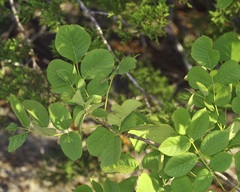
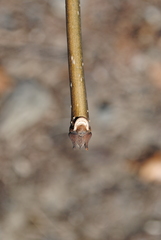
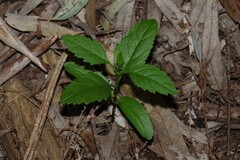
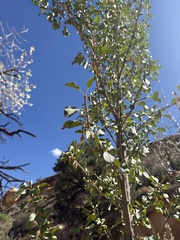
Photographs: Plant Image Library from Boston, USA, CC BY-SA 2.0, via Wikimedia Commons (3).
Related
Other Fraxinus 40 in the reference
 Fraxinus albicans Texas ash Photo: CC BY, Michelle W. (鍾偉瑋)
 Fraxinus americana White ash Photo: CC BY, Zihao Wang
 Fraxinus angustifolia Narrow-leaved Ash Photo: CC BY-SA, Greg Tasney
 Fraxinus anomala Single-leaf ash Photo: CC BY, Kate Kruesi Fraxinus apertisquamifera Oleaceae
 Fraxinus baroniana Oleaceae Photo: CC BY-SA, Krzysztof Ziarnek, Kenraiz
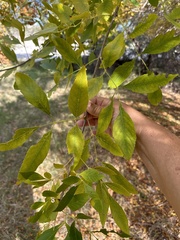 Fraxinus berlandieriana Berlandier ash Photo: CC BY, Craig Hensley
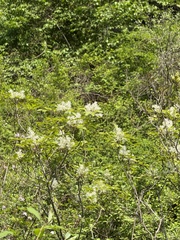 Fraxinus bungeana Northern ash Photo: CC BY, Jane Charlen
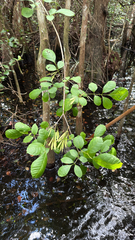 Fraxinus caroliniana Carolina ash Photo: CC BY, harrii
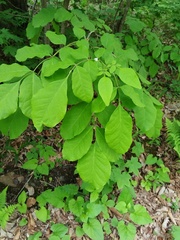 Fraxinus chinensis Chinese ash Photo: CC BY, Поляков Александр
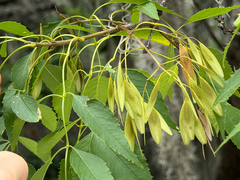 Fraxinus cuspidata Flowering ash Photo: CC BY, Cody Hinchliff
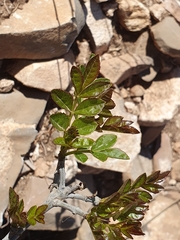 Fraxinus dimorpha Wild Ash Photo: CC BY, Mehdi Chetibi all 41 ›
Names & registers
Also known as Fraxinus densiflora. (GBIF Backbone)
The record
Every figure here is derived from public data by a stated rule and names its source; nothing about this species is written for its page by a person or by AI, apart from the marked, credited quotations. How →
Where this page came from built 2026-10-22
gbif.species answeredasked 2026-10-22gbif.synonyms answeredasked 2026-10-22gbif.vernacular answeredasked 2026-10-22names fetched 2026-10-22wcvp.distribution answeredas of 2026-06-04gbif.occurrences answeredas of 2026-10-21GBIF occurrence download https://doi.org/10.15468/dl.hbdw64, of 2026-10-21climate nothing to reportasked 2026-10-2279 in-range records, none placed to within 10 kmwikidata answeredasked 2026-10-22wikipedia answeredasked 2026-10-22inat.photos.wild nothing to reportasked 2026-10-22from iNaturalist's open data of 2026-09-27: research-grade observations with an open-licence photograph, the 24 whose photographs iNaturalist received last (the open data holds no votes); filled 2026-10-22inat.photos.cultivated not askedgbif.media nothing to reportasked 2026-10-22commons answeredasked 2026-10-22openalex not askednot yet asked for this reference; a later fill takes the papers from OpenAlex's snapshotEvery source is recorded as having answered, reported nothing, refused, failed, not been asked, or answered twice where one answer is taken (“not taken: two items answered”), and, for a source asked when this page was built, when: the figures are as the source held them that day; a source read from a file (Kew's World Checklist, a GBIF download) says "as of" the file's day instead; a row carried from an earlier build of the page names that build instead. Only “nothing to report” is ever shown as an absence. Records came from 10 datasets via GBIF.org; each carries its own licence.