


 9 photographs ›
Summary
Gymnostoma papuanum is a species of plants in the family Casuarinaceae endemic to New Guinea. It was first described in 1923 by English botanist Spencer Le Marchant Moore as Casuarina papuanum, and moved to the genus Gymnostoma in 1982 by Australian botanist Lawrence Alexander Sidney Johnson. In 2018 the International Union for Conservation of Nature assessed the species as Least Concern.
Quoted from Wikipedia, "Gymnostoma papuanum", CC BY-SA 4.0.
Cultivation
Climate across the habitat
Natural habitat
How this section is made
Photographs


Photographs: Steve Fitzgerald, CC BY-SA 4.0, via Wikimedia Commons (6).
Related
Other Gymnostoma 4 in the reference
 Gymnostoma australianum Casuarinaceae Photo: CC BY, Michael Hains Gymnostoma nobile Casuarinaceae
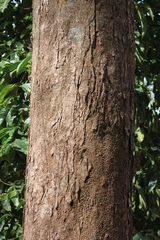 Gymnostoma rumphianum Casuarinaceae Photo: CC BY, Fabian Brambach
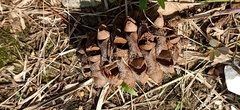 Gymnostoma sumatranum Casuarinaceae Photo: CC BY-SA, Ong Jyh Seng
Names & registers
Also known as Casuarina papuana. (GBIF Backbone)
The record
Every figure here is derived from public data by a stated rule and names its source; nothing about this species is written for its page by a person or by AI, apart from the marked, credited quotations. How →
Where this page came from built 2026-10-22
gbif.species answeredasked 2026-10-22gbif.synonyms answeredasked 2026-10-22gbif.vernacular answeredasked 2026-10-22names fetched 2026-10-22wcvp.distribution answeredas of 2026-06-04gbif.occurrences answeredas of 2026-10-21GBIF occurrence download https://doi.org/10.15468/dl.hbdw64, of 2026-10-21climate nothing to reportasked 2026-10-22only 2 distinct land cells of the climate grid hold an in-range record placed to within 10 km; three are needed for an envelopewikidata answeredasked 2026-10-22wikipedia answeredasked 2026-10-22inat.photos.wild nothing to reportasked 2026-10-22from iNaturalist's open data of 2026-09-27: research-grade observations with an open-licence photograph, the 24 whose photographs iNaturalist received last (the open data holds no votes); filled 2026-10-22inat.photos.cultivated not askedgbif.media nothing to reportasked 2026-10-22commons answeredasked 2026-10-22openalex not askednot yet asked for this reference; a later fill takes the papers from OpenAlex's snapshotEvery source is recorded as having answered, reported nothing, refused, failed, not been asked, or answered twice where one answer is taken (“not taken: two items answered”), and, for a source asked when this page was built, when: the figures are as the source held them that day; a source read from a file (Kew's World Checklist, a GBIF download) says "as of" the file's day instead; a row carried from an earlier build of the page names that build instead. Only “nothing to report” is ever shown as an absence. Records came from 10 datasets via GBIF.org; each carries its own licence.