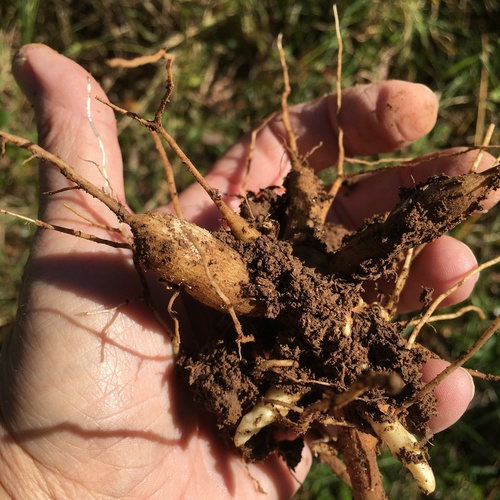
Helianthus schweinitzii Torr. & A.Gray
Schweinitz's sunflower
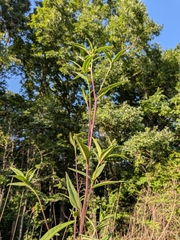
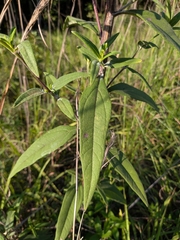
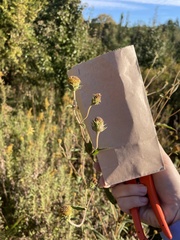
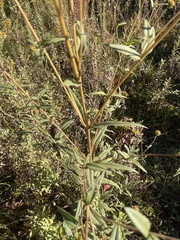
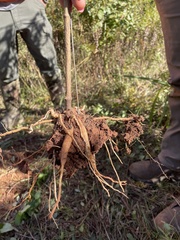
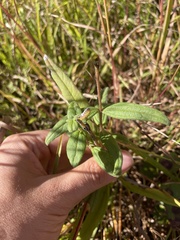 143 photographs ›
Summary
Helianthus schweinitzii, commonly known as Schweinitz's sunflower, is a rare, federally endangered perennial wildflower native to the Piedmont physiographic province of North Carolina and South Carolina. It is a member of the sunflower family (Asteraceae). Typically growing between 1 and 2 meters (3 to 7 feet) tall, the plant is distinguished by its yellow ray flowers, narrow leaves, and unique ecological and genetic traits. It is primarily found in specialized open habitats such as prairies, roadsides, and utility and highway rights-of-way in the Carolinas. More on Wikipedia ›
Quoted from Wikipedia, "Helianthus schweinitzii", CC BY-SA 4.0.
About the genus · Helianthus
Helianthus is a genus comprising around 50 species of annual and perennial flowering plants in the daisy family Asteraceae commonly known as sunflowers. The species of Helianthus are native to North America. The best-known species is the common sunflower. More on Wikipedia ›
Quoted from Wikipedia, "Helianthus", CC BY-SA 4.0.
Cultivation
Climate across the habitat
Natural habitat
How this section is made
Photographs
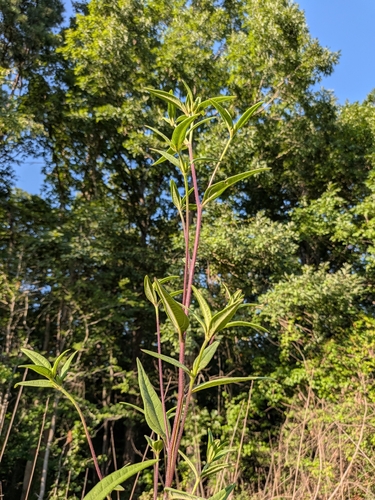
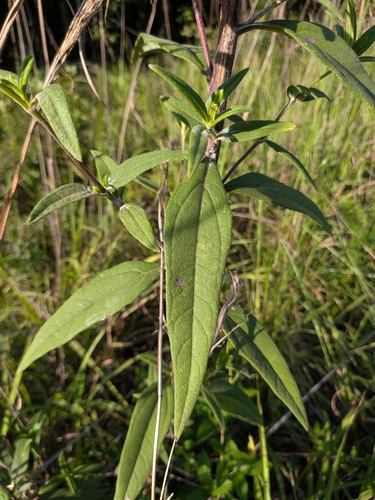

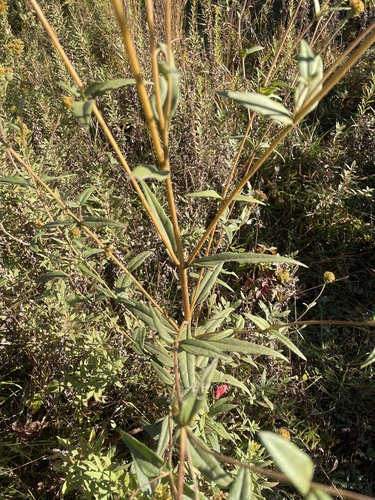
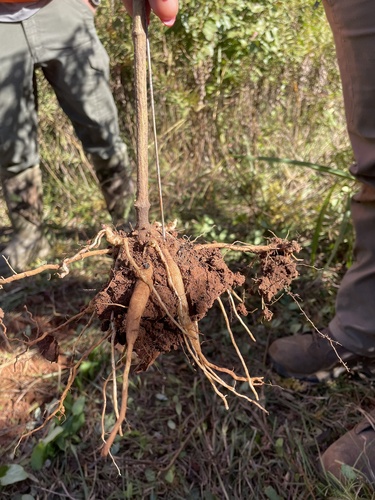
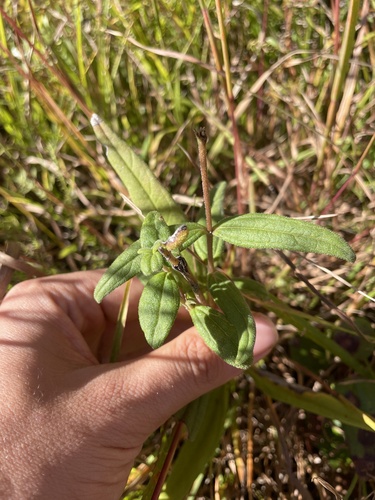
Photographs: (c) Devin Floyd, some rights reserved (CC BY) (2); author not stated, no rights reserved · CC0 (4).
Related
Other Helianthus 44 in the reference
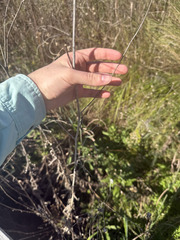 Helianthus agrestis Rural sunflower Photo: CC BY, sblumen
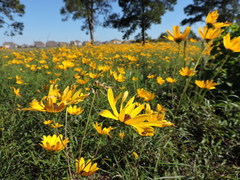 Helianthus angustifolius Swamp sunflower Photo: CC BY, Sam Kieschnick
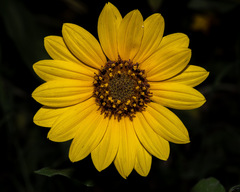 Helianthus annuus Sunflower Photo: CC BY, Michelle W. (鍾偉瑋)
 Helianthus anomalus Sand sunflower Photo: CC BY, Patrick Cox
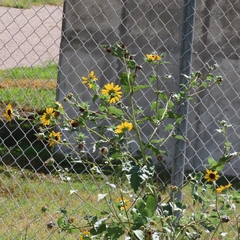 Helianthus argophyllus Silverleaf sunflower Photo: CC BY, Suanne Pyle
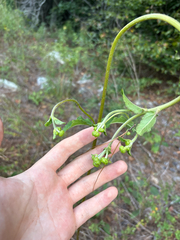 Helianthus atrorubens Purple-disk sunflower Photo: CC0, author not stated
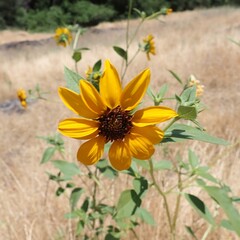 Helianthus bolanderi Bolander's sunflower Photo: CC BY, Larry Jensen
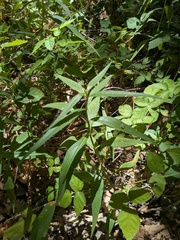 Helianthus californicus California sunflower Photo: CC BY, jayjt
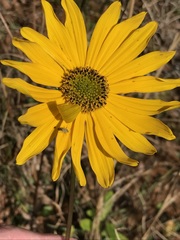 Helianthus carnosus Fleshy sunflower Photo: CC BY, Brandon Corder
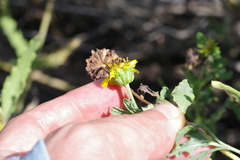 Helianthus ciliaris Texas blueweed Photo: CC BY, Eric Knight
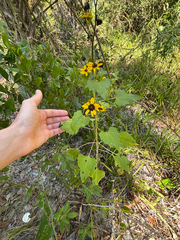 Helianthus debilis Cucumberleaf sunflower Photo: CC0, author not stated
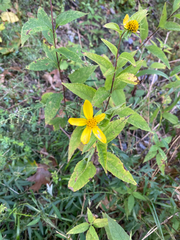 Helianthus decapetalus Thinleaf sunflower Photo: CC0, author not stated all 45 ›
Names & registers
The record
Every figure here is derived from public data by a stated rule and names its source; nothing about this species is written for its page by a person or by AI, apart from the marked, credited quotations. How →
Where this page came from built 2026-10-22
gbif.species answeredasked 2026-10-22gbif.synonyms answeredasked 2026-10-22gbif.vernacular answeredasked 2026-10-22names fetched 2026-10-22wcvp.distribution answeredas of 2026-06-04gbif.occurrences answeredas of 2026-10-21GBIF occurrence download https://doi.org/10.15468/dl.hbdw64, of 2026-10-21climate nothing to reportasked 2026-10-22102 in-range records, none placed to within 10 kmwikidata answeredasked 2026-10-22wikipedia answeredasked 2026-10-22inat.photos.wild answeredasked 2026-10-22from iNaturalist's open data of 2026-09-27: research-grade observations with an open-licence photograph, the 24 whose photographs iNaturalist received last (the open data holds no votes); filled 2026-10-22inat.photos.cultivated not askedgbif.media answeredasked 2026-10-22openalex not askednot yet asked for this reference; a later fill takes the papers from OpenAlex's snapshotEvery source is recorded as having answered, reported nothing, refused, failed, not been asked, or answered twice where one answer is taken (“not taken: two items answered”), and, for a source asked when this page was built, when: the figures are as the source held them that day; a source read from a file (Kew's World Checklist, a GBIF download) says "as of" the file's day instead; a row carried from an earlier build of the page names that build instead. Only “nothing to report” is ever shown as an absence. Records came from 6 datasets via GBIF.org; each carries its own licence.