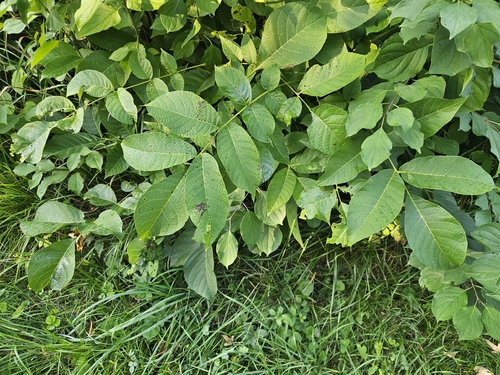
Juglans regia L.
English walnut; Walnut; Common walnut; Persian walnut
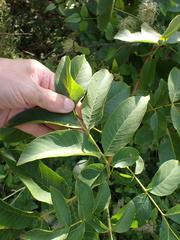
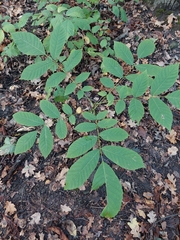
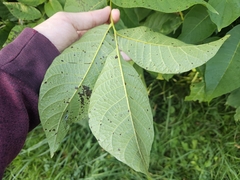
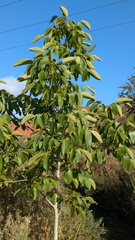
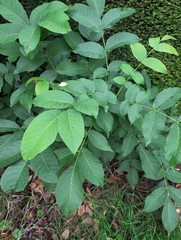
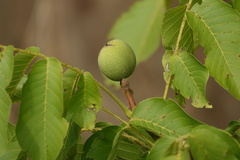 61 photographs ›
Summary
Juglans regia, known by various common names including the common walnut, English walnut, or Persian walnut amongst other names, is a species of walnut. It is native to Eurasia in at least southwest and central Asia and southeast Europe, but its exact natural area is obscure due to its long history of cultivation.
Quoted from Wikipedia, "Juglans regia", CC BY-SA 4.0.
Cultivation
Climate across the habitat
Natural habitat
How this section is made
Photographs
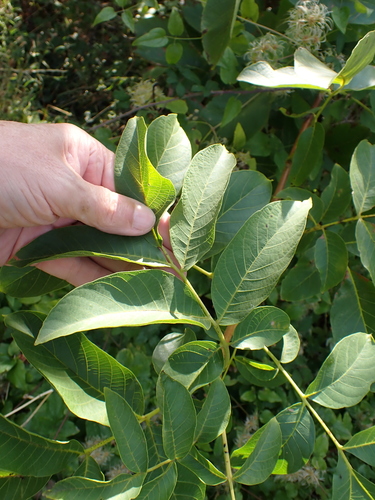
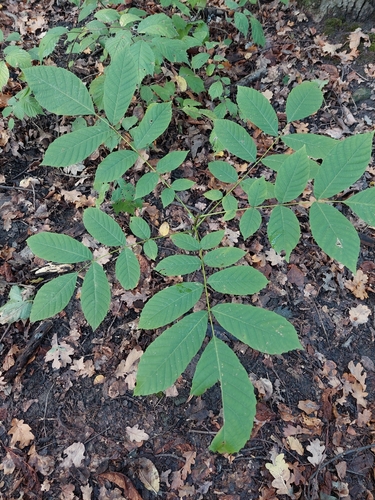
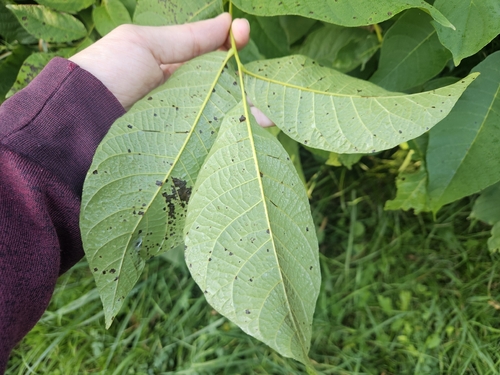
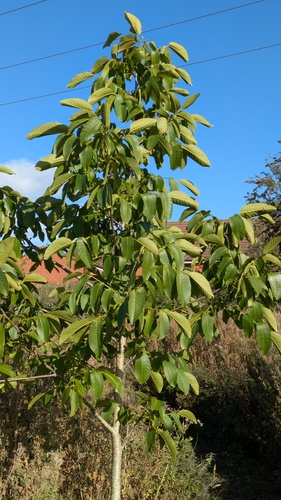
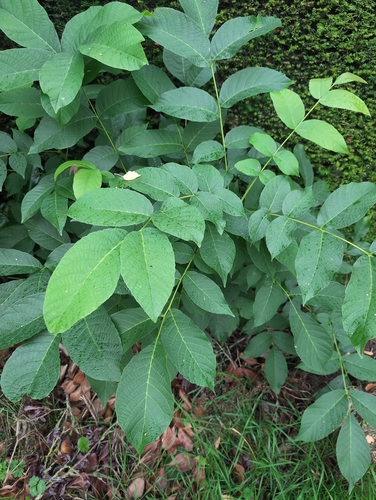
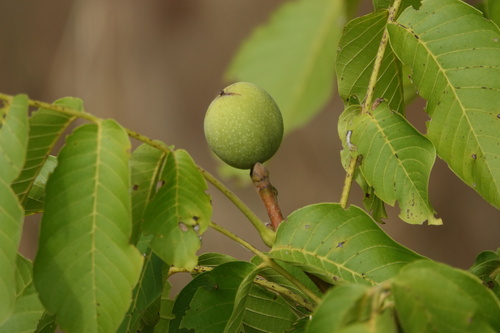
Photographs: author not stated, no rights reserved · CC0 (2); (c) Viktor Strenada, some rights reserved (CC BY); (c) Marc Riera, some rights reserved (CC BY); (c) guywallbanks, some rights reserved (CC BY); (c) Dietmar K. L. Moser, some rights reserved (CC BY).
Related
Other Juglans 14 in the reference
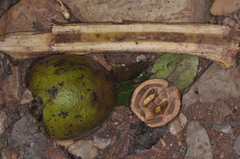 Juglans australis Argentine walnut Photo: CC BY, aacocucci
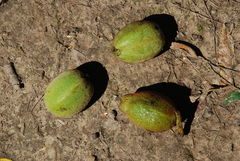 Juglans × bixbyi Bixby's walnut Photo: CC BY-SA, Douglas Goldman
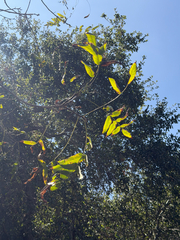 Juglans californica Southern California black walnut Photo: CC BY, klicklo
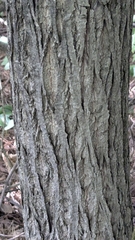 Juglans cinerea Butternut Photo: CC BY, treelogical
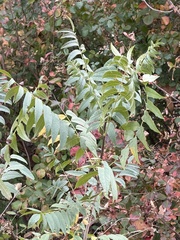 Juglans hindsii Northern California black walnut Photo: CC BY, Irina Mitine Juglans hopeiensis Hebei walnut
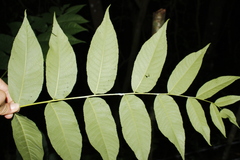 Juglans jamaicensis West Indian walnut Photo: CC BY, J. L. Gómez-Hechavarría
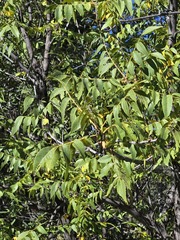 Juglans major Arizona walnut Photo: CC BY, Jo Roberts
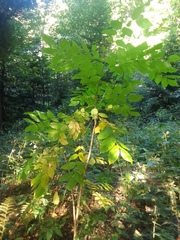 Juglans mandshurica Manchurian walnut Photo: CC BY, Maria Galkina
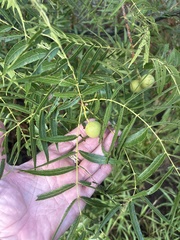 Juglans microcarpa Little walnut Photo: CC BY, Sam Kieschnick
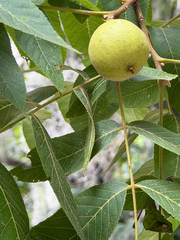 Juglans mollis Mexican walnut Photo: CC BY, Cody Hinchliff
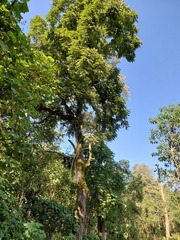 Juglans neotropica Andean walnut Photo: CC BY, GERMAN LEONEL SARMIENTO CRUZ all 15 ›
Names & registers
Also known as Juglans arguta; Juglans asplenifolia; Juglans dissecta; Juglans duclouxiana; Juglans fallax and 63 more. (GBIF Backbone)
Kew accepts as species of their own Juglans hispanica: older names in GBIF's record of this species that Kew's World Checklist accepts as other species. (WCVP, RBG Kew, file of 2026-06-04)
The record
Every figure here is derived from public data by a stated rule and names its source; nothing about this species is written for its page by a person or by AI, apart from the marked, credited quotations. How →
Where this page came from built 2026-10-22
gbif.species answeredasked 2026-10-22gbif.synonyms answeredasked 2026-10-22gbif.vernacular answeredasked 2026-10-22names fetched 2026-10-22wcvp.distribution answeredas of 2026-06-04gbif.occurrences answeredasked 2026-10-22GBIF occurrence search API; 36 records within 1 km of a botanic garden, herbarium or zoo left out (22 at a botanic garden or arboretum, 2 at a herbarium, 12 at a zoo; Wikidata's list)climate nothing to reportasked 2026-10-22only 1 distinct land cell of the climate grid holds an in-range record placed to within 10 km (1 at sea or ice); three are needed for an envelopewikidata answeredasked 2026-10-22wikipedia answeredasked 2026-10-22inat.photos.wild answeredasked 2026-10-22from iNaturalist's open data of 2026-09-27: research-grade observations with an open-licence photograph, the 24 whose photographs iNaturalist received last (the open data holds no votes); filled 2026-10-22inat.photos.cultivated not askedgbif.media answeredasked 2026-10-22openalex not askednot yet asked for this reference; a later fill takes the papers from OpenAlex's snapshotEvery source is recorded as having answered, reported nothing, refused, failed, not been asked, or answered twice where one answer is taken (“not taken: two items answered”), and, for a source asked when this page was built, when: the figures are as the source held them that day; a source read from a file (Kew's World Checklist, a GBIF download) says "as of" the file's day instead; a row carried from an earlier build of the page names that build instead. Only “nothing to report” is ever shown as an absence. Records came from 11 datasets via GBIF.org; each carries its own licence.