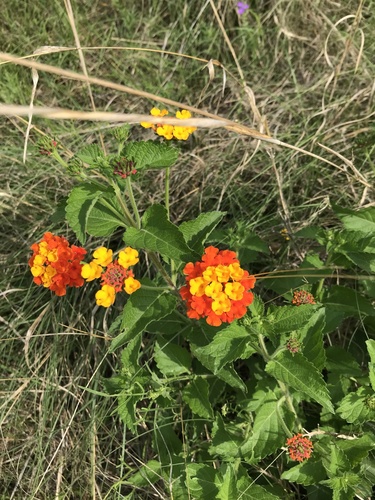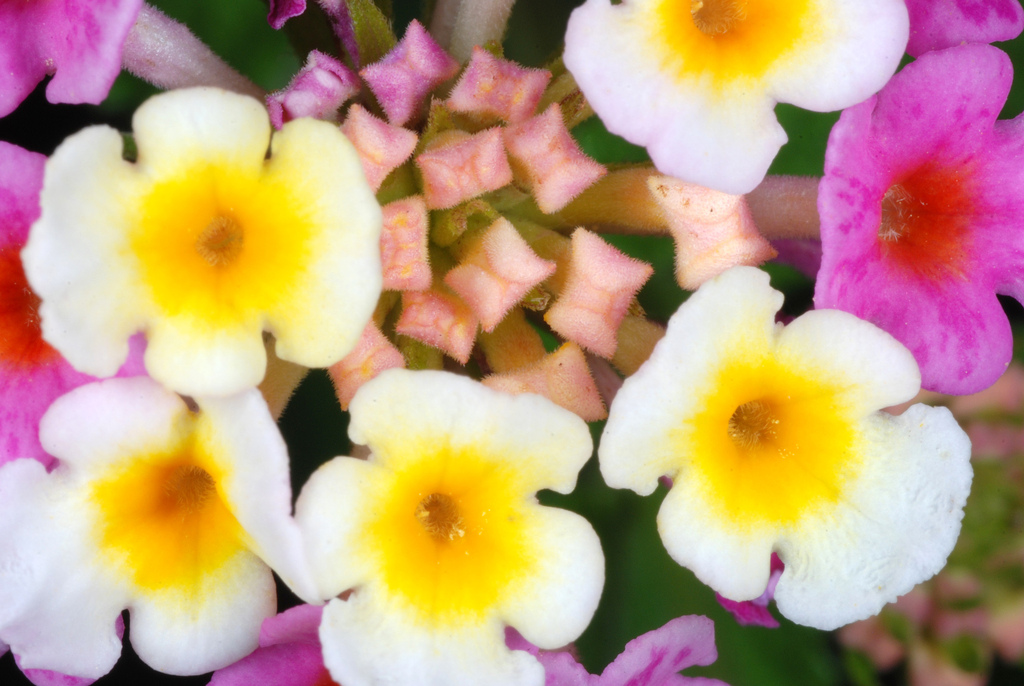
Species
+

Lantana strigocamara R.W.Sanders

Pink and Yellow Lantana, SCD cultigen, cambarazinho, cambará-de-cheiro

No habitat climate 83 photographs

Every figure on this page is derived from public data by a stated rule and says its source; nothing here is written by a person or a model, except the Wikipedia passage, which is quoted and marked as such. How it is made.

About the genus · Lantana

Lantana is a genus of about 150 species of perennial flowering plants in the verbena family, Verbenaceae. They are native to tropical regions of the Americas but exist as an introduced species in numerous areas, especially in the Australian-Pacific region, South and Northeastern part of India. The genus includes both herbaceous plants and shrubs growing to 0.5–2 m (1.6–6.6 ft) tall. More on Wikipedia ›

The opening of Wikipedia, “Lantana”, CC BY-SA 4.0, quoted as written.

Family
Verbenaceae
Described by
R.W.Sanders
Native to
not verified
Wild records
1867 in range· 246 open

Also known as Lantana crocea var. superba H.Williams; Lantana ×mutabilis Lippold; Lantana ×mutabilis Lippold ex Otto & Dietr.

Cultivation

Nothing derived: no habitat climate for this species, and the archetype table has no figure for its genus or family.

Climate across the habitat

No habitat climate can be derived: Native range not verified: no WCVP distribution with native status for this name, so records cannot be told from cultivation and no habitat climate is derived.

Natural habitat

Native range as published by WCVP.
Openly licensed records inside the range, framed on where they fall.
NativeDistribution source did not answer.· introduced: Alabama, Aldabra, Algeria, Andaman Is., Angola, Argentina Northeast, Argentina Northwest, Arizona, Arkansas, Aruba, Ascension, Assam, Azores, Bahamas, Baleares, Bangladesh, Belize, Benin, Bermuda, Bolivia, Borneo, Botswana, Brazil Northeast, Brazil North, Brazil Southeast, Brazil South, Brazil West-Central, Burundi, California, Cambodia, Canary Is., Cape Provinces, Caroline Is., Cayman Is., Central African Republic, Chad, Chagos Archipelago, China Southeast, Colombia, Congo, Corse, Costa Rica, Cuba, Cyprus, Zaïre, Dominican Republic, East Aegean Is., East Himalaya, Easter Is., Ecuador, Egypt, El Salvador, Eritrea, Swaziland, Ethiopia, Fiji, Florida, France, French Guiana, Gabon, Gambia, The, Georgia, Germany, Gilbert Is., Greece, Guatemala, Guinea-Bissau, Gulf of Guinea Is., Guyana, Haiti, Hawaii, Honduras, India, Italy, Jamaica, Jawa, Juan Fernández Is., Kazan-retto, Kenya, Kriti, KwaZulu-Natal, Lebanon-Syria, Leeward Is. AB Ant, Lesser Sunda Is., Liberia, Libya, Line Is., Louisiana, Madeira, Malawi, Malaya, Maldives, Mali, Marianas, Marquesas, Mexico Central, Mexico Gulf, Mexico Northeast, Mexico Northwest, Mexico Southeast, Mexico Southwest, Morocco, Mozambique, Myanmar, Namibia, Nepal, Netherlands Antilles, New Caledonia, New Guinea, New Zealand North, Nicaragua, Nicobar Is., Niger, Norfolk Is., Northern Provinces, Northern Territory, Ogasawara-shoto, Oman, Palestine, Panama, Paraguay, Peru, Philippines, Pitcairn Is., Portugal, Puerto Rico, Queensland, Rwanda, Samoa, Sardegna, Seychelles, Sicilia, Society Is., Somalia, South Carolina, South China Sea, Spain, Sri Lanka, St.Helena, Sudan, Sulawesi, Sumatera, Surinam, Tanzania, Texas, Thailand, Togo, Trinidad-Tobago, Tubuai Is., Tunisia, Tuvalu, Uganda, Uruguay, Vanuatu, Venezuela, Wallis-Futuna Is., West Himalaya, Windward Is., Zambia, Zimbabwe
Evidence usedNo verified native range for this name: WCVP has no entry with native status, and a checklist that only reports presence cannot tell a wild record from a garden one. The map shows 246 openly licensed records of 1867 untested against any range; no map marker or climate is derived from them, and no sheet is built from them. 96 in-range records are placed to worse than 10 km and stay on the map but off the climate.

Photographs

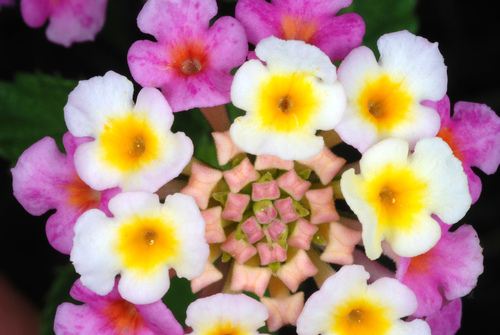
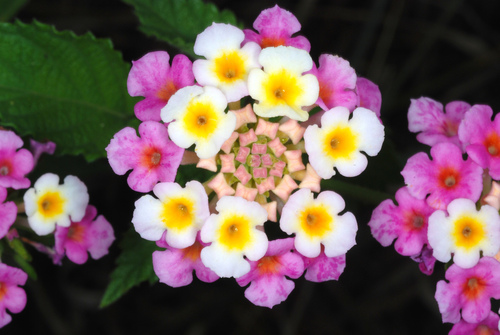
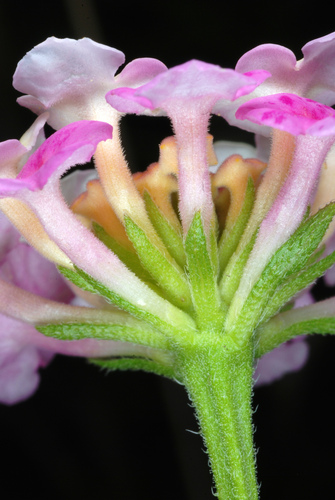
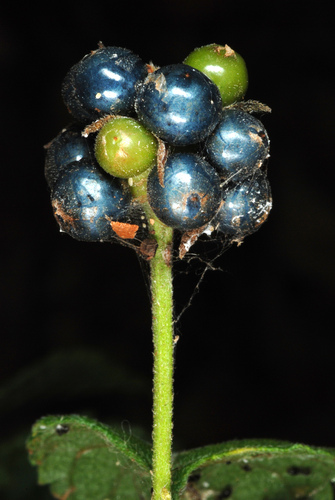
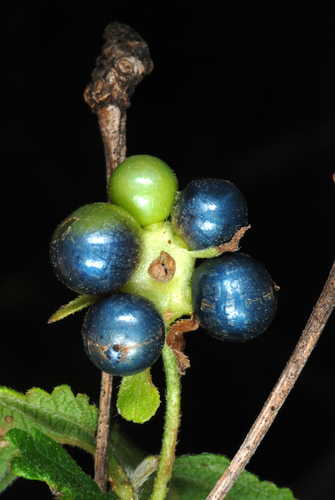
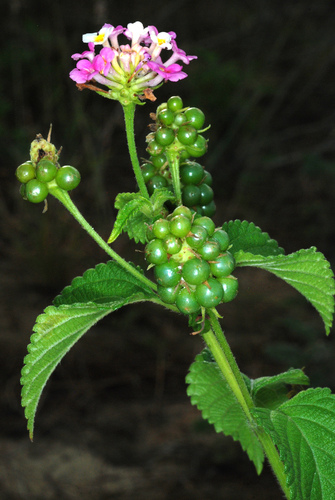
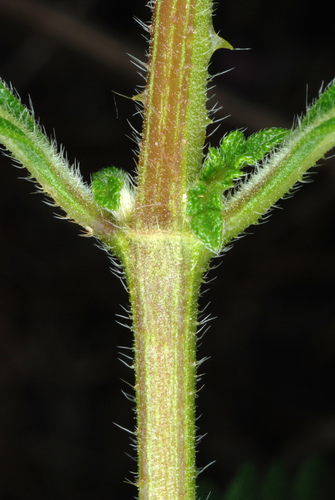
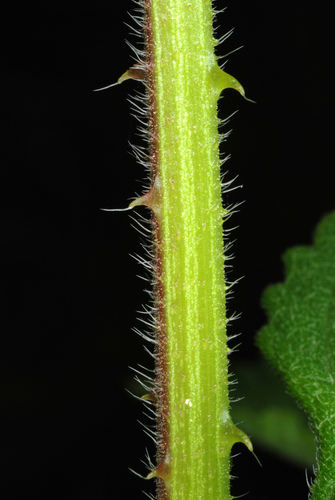
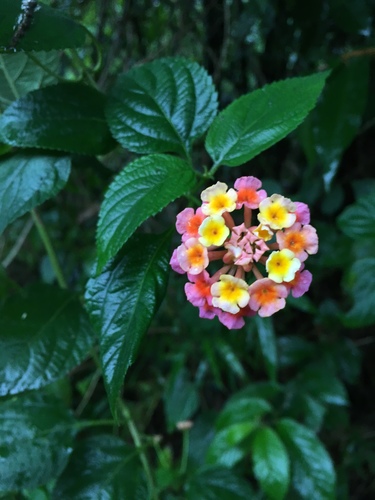
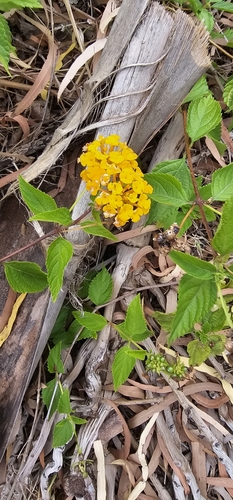
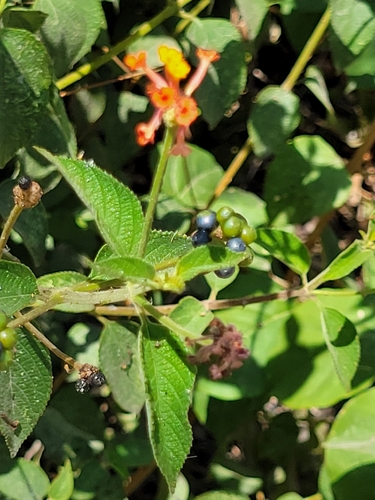
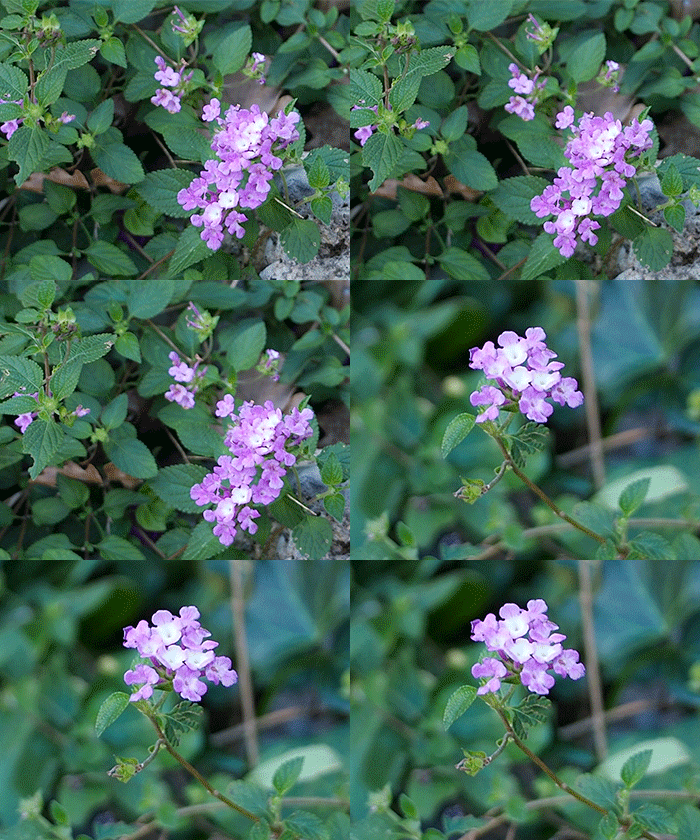
Lantana strigocamaraLantana strigocamaraLantana strigocamaraLantana strigocamaraLantana strigocamaraLantana strigocamaraLantana strigocamaraLantana strigocamara

Photographs: (c) Douglas Goldman, some rights reserved (CC BY-SA) (8).

Photographs: iNaturalist did not answer when this page was built; what is shown came from the sources that did.

Papers naming this species

Works whose title or abstract names Lantana strigocamara, most cited first, from OpenAlex (CC0). A mention, not a cultivation source: nothing on this page is drawn from them.

Convergent evolution of disordered lipidic structural colour in the fruits of Lantana strigocamara (syn. L. camara hybrid cultivar)
Miranda Sinnott‐Armstrong, Yu Ogawa, Gea T. van de Kerkhof, Silvia Vignolini (2022) · New Phytologist
Ornamental Invasive Plants in Florida with Research-founded Alternatives
Sandra B. Wilson, Zhanao Deng (2023) · HortTechnology
Influence of pesticide application practices, pruning, and planting on contamination of nectar in container-grown lantana
Mia Cabrera, Sandra B. Wilson, P. Chris Wilson, Vanesa Rostán (2025) · The Science of The Total Environment
Pseudocercospora oenotherae Causing Leaf Spot on Ornamental Lantana strigocamara : Characterization and Host Resistance
Marcus Vinícius Marin, Stephen Parrish, Zhanao Deng, Natália A. Peres (2025) · Plant Disease
Occurrence Download
GBIF.org User (2026) · Global Biodiversity Information Facility
Occurrence Download
GBIF.org User (2026) · Global Biodiversity Information Facility
Occurrence Download
GBIF.org User (2026) · Global Biodiversity Information Facility
Occurrence Download
GBIF.org User (2026) · Global Biodiversity Information Facility
Occurrence Download
GBIF.org User (2026) · Global Biodiversity Information Facility
Occurrence Download
GBIF.org User (2026) · Global Biodiversity Information Facility

Other Lantana 5 in the reference

History & registers

Where this page came from built 2026-09-20 · dossier v2 · node
gbif.species answered
gbif.synonyms answered
gbif.vernacular answered
wcvp.distribution answered
gbif.occurrences answeredGBIF occurrence download https://doi.org/10.15468/dl.3h4zam
climate nothing to report
wikidata answeredcarried from build of 2026-09-20 (rederive); that build: carried from build of 2026-09-19 (rederive); that build: carried from build of 2026-09-19 (rederive)
wikipedia nothing to reportcarried from build of 2026-09-20; this build: skipped
inat.taxon not askedcarried from build of 2026-09-20 (rederive)
inat.photos.wild answeredcarried from build of 2026-09-20; this build: skipped
inat.photos.cultivated nothing to reportcarried from build of 2026-09-20 (rederive); that build: carried from build of 2026-09-19 (rederive); that build: carried from build of 2026-09-19 (rederive)
commons nothing to reportcarried from build of 2026-09-20 (rederive); that build: carried from build of 2026-09-19 (rederive); that build: carried from build of 2026-09-19 (rederive)
gbif.media answered
openalex answeredcarried from build of 2026-09-20; this build: skipped

Every upstream is recorded as having answered, reported nothing, or refused. Only “nothing to report” is ever shown as an absence. Records came from 22 datasets via GBIF.org; each carries its own licence.