
Lathyrus belinensis Maxted & Goyder
Belin Sweet Pea; Belin pea


 12 photographs ›
Summary
Lathyrus belinensis, also known as the Belin pea is a flowering plant species in the genus Lathyrus under the family Fabaceae. The species was discovered in Turkey by botanists Nigel Maxted and David John Goyder and was first described in 1988. The species is a highly localized endemic found only in the Turkish province of Antalya. L. belinensis was listed among the top one hundred most endangered species of the world by the IUCN in 2012.
Quoted from Wikipedia, "Lathyrus belinensis", CC BY-SA 4.0.
About the genus · Lathyrus
Lathyrus is a genus of flowering plants in the legume family Fabaceae, and contains approximately 160 species. Commonly known as peavines or vetchlings, they are native to temperate areas, with a breakdown of 52 species in Europe, 30 species in North America, 78 in Asia, 24 in tropical East Africa, and 24 in temperate South America. There are annual and perennial species which may be climbing or bushy. More on Wikipedia ›
Quoted from Wikipedia, "Lathyrus", CC BY-SA 4.0.
Cultivation
Climate across the habitat
Natural habitat
How this section is made
Photographs


Photographs: JarroNevsbaru, CC BY 4.0, via Wikimedia Commons (6).
Related
Other Lathyrus 65 in the reference
 Lathyrus alpestris Fabaceae Photo: CC BY-SA, Michael Wolf
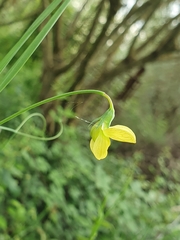 Lathyrus annuus Fodder pea Photo: CC BY, Mehdi Chetibi
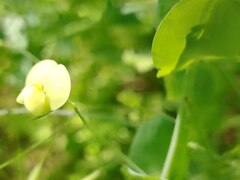 Lathyrus aphaca Yellow vetchling Photo: CC BY, Orzigul Anvarova Lathyrus articulatus Fabaceae
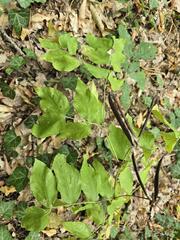 Lathyrus aureus Golden Pea Photo: CC BY, Сергей Голубев Lathyrus cassius Sweet Pea Lathyrus chloranthus Yellow-green pea
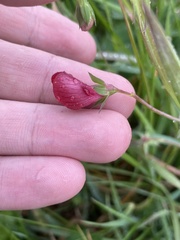 Lathyrus cicera Red vetchling Photo: CC0, author not stated
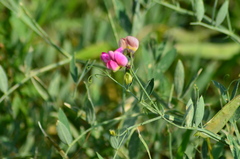 Lathyrus cirrhosus Cirrhose Vetch Photo: CC BY, Nico Hernandez
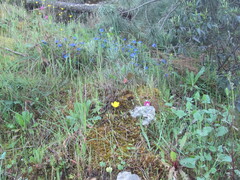 Lathyrus clymenum Spanish vetchling Photo: CC BY, zebedeugalinha
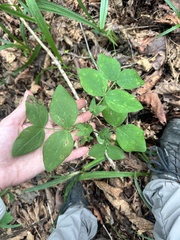 Lathyrus davidii China Davida Photo: CC BY, Tatyana Petrenko
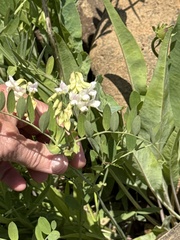 Lathyrus delnorticus Del Norte pea Photo: CC BY, Rob Santry all 66 ›
Names & registers
The record
Every figure here is derived from public data by a stated rule and names its source; nothing about this species is written for its page by a person or by AI, apart from the marked, credited quotations. How →
Where this page came from built 2026-10-22
gbif.species answeredasked 2026-10-22gbif.synonyms answeredasked 2026-10-22gbif.vernacular answeredasked 2026-10-22names fetched 2026-10-22wcvp.distribution answeredas of 2026-06-04gbif.occurrences answeredas of 2026-10-21GBIF occurrence download https://doi.org/10.15468/dl.hbdw64, of 2026-10-21climate nothing to reportasked 2026-10-2211 in-range records, none placed to within 10 kmwikidata answeredasked 2026-10-22wikipedia answeredasked 2026-10-22inat.photos.wild nothing to reportasked 2026-10-22from iNaturalist's open data of 2026-09-27: research-grade observations with an open-licence photograph, the 24 whose photographs iNaturalist received last (the open data holds no votes); filled 2026-10-22inat.photos.cultivated not askedgbif.media nothing to reportasked 2026-10-22commons answeredasked 2026-10-22openalex not askednot yet asked for this reference; a later fill takes the papers from OpenAlex's snapshotEvery source is recorded as having answered, reported nothing, refused, failed, not been asked, or answered twice where one answer is taken (“not taken: two items answered”), and, for a source asked when this page was built, when: the figures are as the source held them that day; a source read from a file (Kew's World Checklist, a GBIF download) says "as of" the file's day instead; a row carried from an earlier build of the page names that build instead. Only “nothing to report” is ever shown as an absence. Records came from 7 datasets via GBIF.org; each carries its own licence.