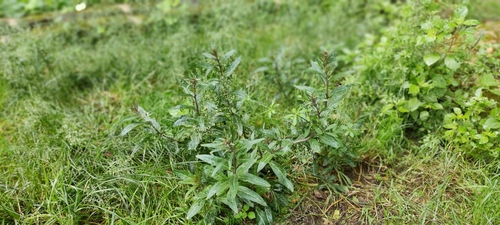
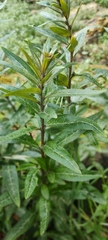
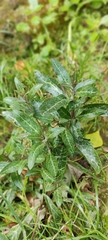
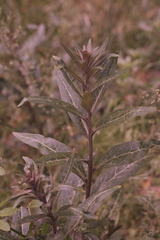
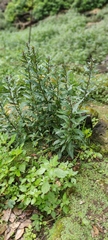
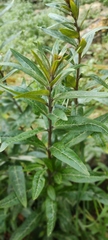
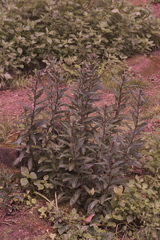
 10 photographs ›
Summary
Lysimachia minoricensis is a species of plant in the family Primulaceae. It was endemic to the island of Menorca in Spain. Its natural habitat was Mediterranean-type shrubby vegetation. It became extinct within its natural range and now only survives in cultivation.
Quoted from Wikipedia, "Lysimachia minoricensis", CC BY-SA 4.0.
About the genus · Lysimachia
Lysimachia is a genus consisting of 182 accepted species of flowering plants traditionally classified in the family Primulaceae. Based on a molecular phylogenetic study it was transferred to the family Myrsinaceae, before this family was later merged into the Primulaceae.
Quoted from Wikipedia, "Lysimachia", CC BY-SA 4.0.
Cultivation
Climate across the habitat
Natural habitat
Photographs
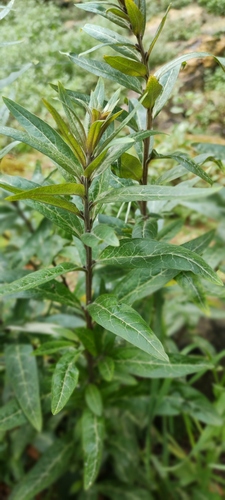
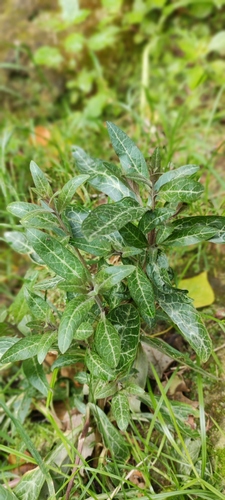
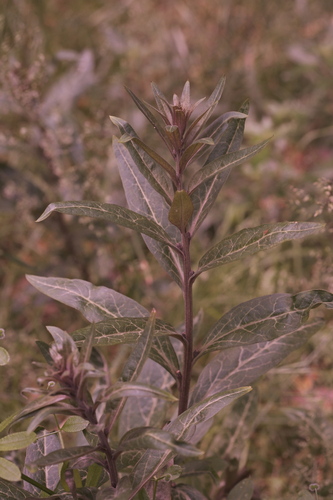
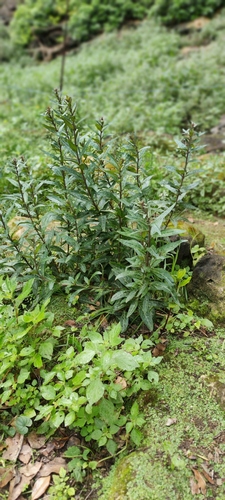
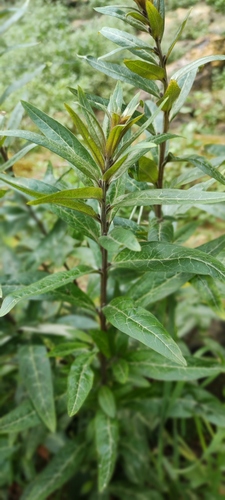
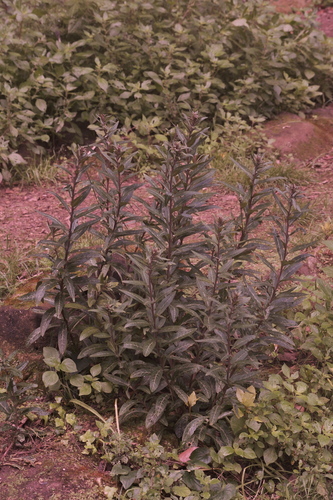
Photographs: (c) fmunoz, some rights reserved (CC BY) (6).
Related
Other Lysimachia 44 in the reference
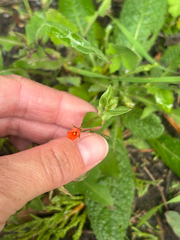 Lysimachia arvensis Scarlet pimpernel Photo: CC BY, Iona Cowell
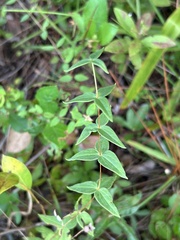 Lysimachia asperulifolia Rough-leaf loosestrife Photo: CC BY, agjackson1
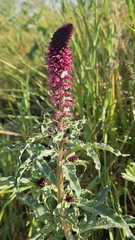 Lysimachia atropurpurea Primulaceae Photo: CC BY-SA, Alessia Guggisberg
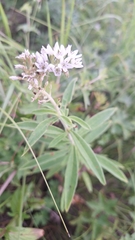 Lysimachia barystachys Manchurian yellow loosestrife Photo: CC BY, Violetta Dzizyurova
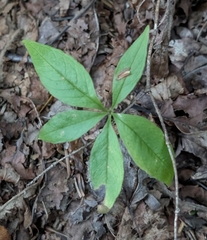 Lysimachia borealis Northern starflower Photo: CC BY, Nick Kleinschmidt
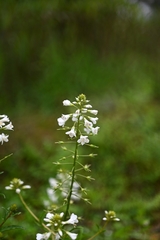 Lysimachia candida Manipur loosestrife Photo: CC BY, 黄彦豪
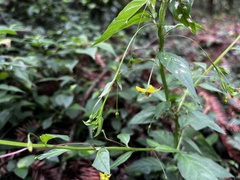 Lysimachia capillipes Primulaceae Photo: CC BY, 黃美滿
 Lysimachia christinae Primulaceae Photo: CC BY-SA, 阿橋 HQ
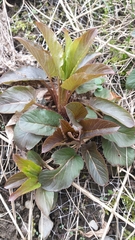 Lysimachia ciliata Fringed loosestrife Photo: CC BY, Tom Norton
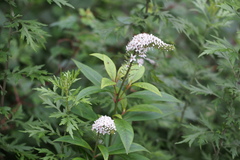 Lysimachia clethroides Gooseneck yellow loosestrife Photo: CC BY-SA, harum.koh
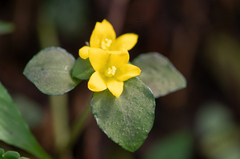 Lysimachia congestiflora Dense-flowered loosestrife Photo: CC BY, Morten Ross
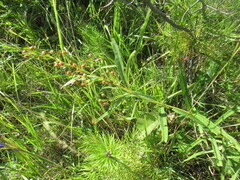 Lysimachia davurica Manchurian yellow loosestrife Photo: CC0, author not stated all 45 ›
Names & registers
The record
Every figure here is derived from public data by a stated rule and names its source; nothing about this species is written for its page by a person or by AI, apart from the marked, credited quotations. How →
Where this page came from built 2026-10-22
gbif.species answeredasked 2026-10-22gbif.synonyms answeredasked 2026-10-22gbif.vernacular answeredasked 2026-10-22names fetched 2026-10-22wcvp.distribution answeredas of 2026-06-04Kew's entry lists no native regiongbif.occurrences answeredas of 2026-10-21GBIF occurrence download https://doi.org/10.15468/dl.hbdw64, of 2026-10-21; 1 record within 1 km of a botanic garden, herbarium or zoo left out (1 at a botanic garden or arboretum; Wikidata's list)climate nothing to reportasked 2026-10-22native range not verified: no WCVP distribution with native status for this name, so records cannot be told from cultivation and no habitat climate is derivedwikidata answeredasked 2026-10-22wikipedia answeredasked 2026-10-22inat.photos.wild answeredasked 2026-10-22from iNaturalist's open data of 2026-09-27: research-grade observations with an open-licence photograph, the 24 whose photographs iNaturalist received last (the open data holds no votes); filled 2026-10-22inat.photos.cultivated not askedgbif.media answeredasked 2026-10-22none of the photographs on this page is credited to GBIF: those shown are other sources', and GBIF's were the same photographs or were set aside by the photograph rulescommons answeredasked 2026-10-22openalex not askednot yet asked for this reference; a later fill takes the papers from OpenAlex's snapshotEvery source is recorded as having answered, reported nothing, refused, failed, not been asked, or answered twice where one answer is taken (“not taken: two items answered”), and, for a source asked when this page was built, when: the figures are as the source held them that day; a source read from a file (Kew's World Checklist, a GBIF download) says "as of" the file's day instead; a row carried from an earlier build of the page names that build instead. Only “nothing to report” is ever shown as an absence. Records came from 7 datasets via GBIF.org; each carries its own licence.