 11 photographs ›
Summary
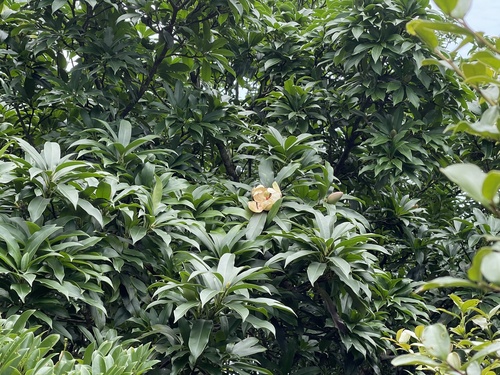
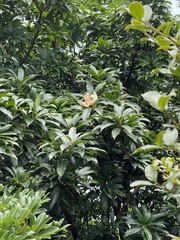
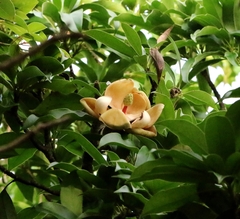
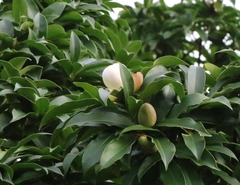
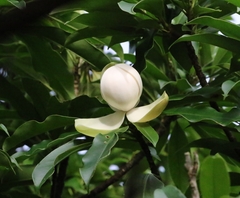
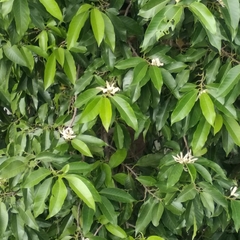
Magnolia fordiana is a widespread species of flowering plant in the family Magnoliaceae, native to southern China, Hainan, and Vietnam. An evergreen tree reaching 25 m (82 ft) tall, it is found in hilly forests, often beside rivers, at elevations from 300 to 1,200 m (1,000 to 3,900 ft). Specialists in Magnolia believe that most Magnolia fordiana specimens offered for sale are actually the closely related Magnolia yuyuanensis, a more attractive tree and one that is better adapted to cultivation. It is widely used as a street tree in southern Chinese cities.
Quoted from Wikipedia, "Magnolia fordiana", CC BY-SA 4.0.
About the genus · Magnolia
Magnolia is a large genus of about 210 to 340 flowering plant species in the subfamily Magnolioideae of the family Magnoliaceae. The natural range of Magnolia species is disjunct, with a main center in east, south and southeast Asia and a secondary center in South America, Central America, the West Indies, and some species in eastern North America.
Quoted from Wikipedia, "Magnolia", CC BY-SA 4.0.
Cultivation
Climate across the habitat
Natural habitat
How this section is made
Photographs
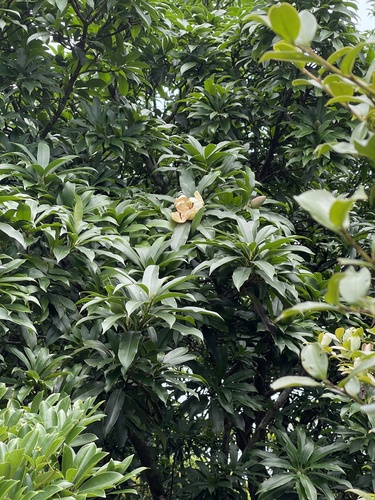
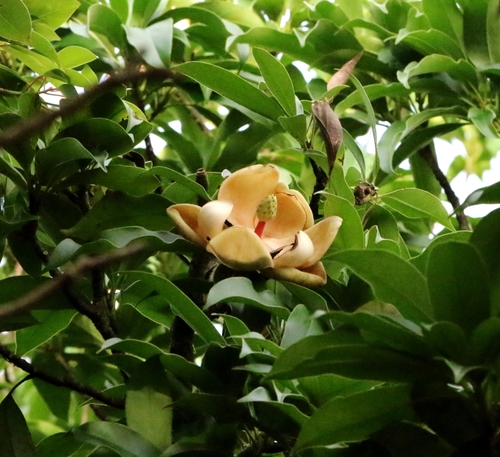
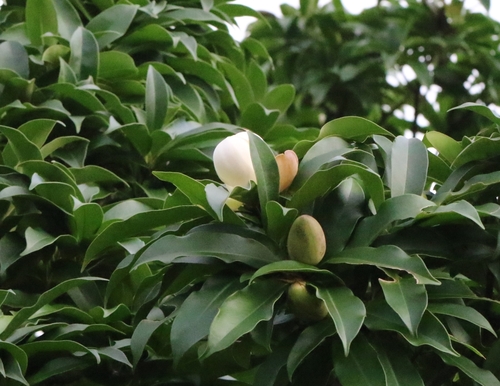
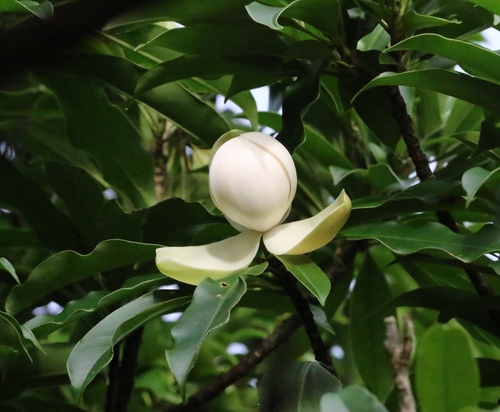
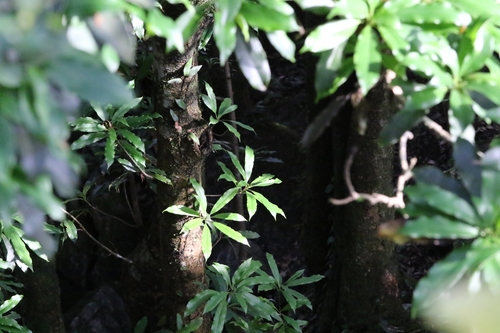
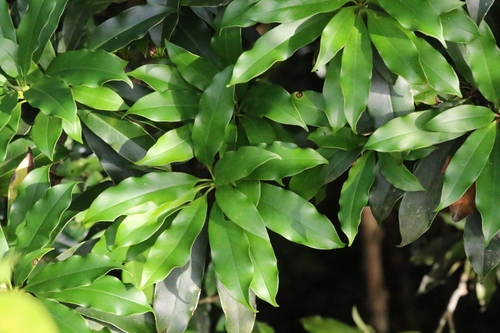
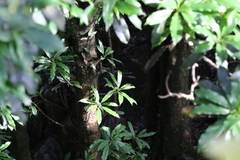
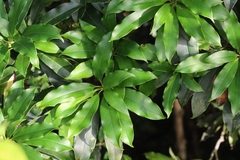
Photographs: (c) Yj, some rights reserved (CC BY); author not stated, no rights reserved · CC0 (5).
Related
Other Magnolia 103 in the reference
 Magnolia acuminata Cucumber-tree Photo: CC BY, Evan M. Raskin Magnolia albosericea Magnoliaceae
 Magnolia amoena Tianmu magnolia Photo: CC BY-SA, William (Ned) Friedman Magnolia annamensis Magnoliaceae
 Magnolia ashei Ashe's magnolia Photo: CC BY, mfeaver Magnolia baillonii Magnoliaceae Magnolia balansae Magnoliaceae
 Magnolia biondii Magnoliaceae Photo: CC0, Daderot
 Magnolia campbellii Campbell's Magnolia Photo: CC BY, Barry Stewart
 Magnolia caricifragrans Magnoliaceae Photo: CC BY, Nicolás Baresch Uribe
 Magnolia cavaleriei Magnoliaceae Photo: CC0, Daderot
 Magnolia champaca Champak Photo: CC BY, Karthik Thrikkadeeri all 104 ›
Names & registers
Also known as Manglietia albistaminata; Manglietia fordiana. (GBIF Backbone)
The record
Every figure here is derived from public data by a stated rule and names its source; nothing about this species is written for its page by a person or by AI, apart from the marked, credited quotations. How →
Where this page came from built 2026-10-22
gbif.species answeredasked 2026-10-22gbif.synonyms answeredasked 2026-10-22gbif.vernacular answeredasked 2026-10-22names fetched 2026-10-22wcvp.distribution answeredas of 2026-06-04gbif.occurrences answeredas of 2026-10-21GBIF occurrence download https://doi.org/10.15468/dl.hbdw64, of 2026-10-21climate nothing to reportasked 2026-10-22only 2 distinct land cells of the climate grid hold an in-range record placed to within 10 km; three are needed for an envelopewikidata answeredasked 2026-10-22wikipedia answeredasked 2026-10-22inat.photos.wild answeredasked 2026-10-22from iNaturalist's open data of 2026-09-27: research-grade observations with an open-licence photograph, the 24 whose photographs iNaturalist received last (the open data holds no votes); filled 2026-10-22inat.photos.cultivated not askedgbif.media answeredasked 2026-10-22none of the photographs on this page is credited to GBIF: those shown are other sources', and GBIF's were the same photographs or were set aside by the photograph rulescommons answeredasked 2026-10-22openalex not askednot yet asked for this reference; a later fill takes the papers from OpenAlex's snapshotEvery source is recorded as having answered, reported nothing, refused, failed, not been asked, or answered twice where one answer is taken (“not taken: two items answered”), and, for a source asked when this page was built, when: the figures are as the source held them that day; a source read from a file (Kew's World Checklist, a GBIF download) says "as of" the file's day instead; a row carried from an earlier build of the page names that build instead. Only “nothing to report” is ever shown as an absence. Records came from 22 datasets via GBIF.org; each carries its own licence.