
Mandragora autumnalis Bertol.
English names not checked: Wikidata's common names were not read for this page.
GBIF's records not checked. GBIF's backbone holds no one accepted species of this name, and a name it holds only as another species' synonym is not taken for this one, so GBIF's records were not asked. So this page has no points on its map, no map marker, no habitat climate, no cultivation sheet and no species of nearest climate; the range is Kew's. Not a statement that none exist. How.
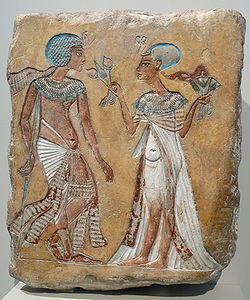


 12 photographs ›
Summary
Mandragora autumnalis, known as mandrake or autumn mandrake, is recognized by some sources as a separate species from Mandragora officinarum, although with different circumscriptions. Others regard it as merely part of this very variable species. Plants given the name Mandragora autumnalis consist of a rosette of leaves up to 60 cm (2 ft) across, close to the ground, with a central group of usually purplish flowers followed by yellow or orange berries. The large tap-roots as well as the leaves contain alkaloids and are toxic. More on Wikipedia ›
Quoted from Wikipedia, "Mandragora autumnalis", CC BY-SA 4.0.
Cultivation
Climate across the habitat
Natural habitat
Photographs


Photographs: Photo: Andreas Praefcke, Public domain, via Wikimedia Commons; One dead president, David Liam Moran, CC BY-SA 3.0, via Wikimedia Commons; Spacedive at English Wikipedia, Public domain, via Wikimedia Commons; Maša Sinreih in Valentina Vivod, CC BY-SA 3.0, via Wikimedia Commons; author not stated, Public domain, via Wikimedia Commons (2).
Related
Similar habitat climate Not checked: GBIF's records were not asked (why, under the name), and the nearest habitat climates are read from the climate they give.
Other Mandragora 3 in the reference
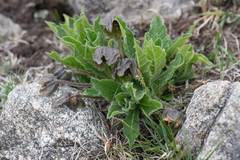 Mandragora caulescens Himalayan mandrake Photo: CC BY, Morten Ross
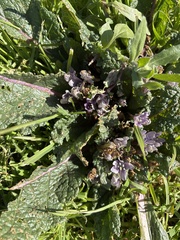 Mandragora officinarum Mandrake Photo: CC0, author not stated Mandragora turcomanica Turkmenian mandrake
Names & registers
Also known as Mandragora autumnalis subsp. microcarpa; Mandragora officinarum f. hispanica; Atropa acaulis var. angustifolia; Mandragora microcarpa; Mandragora hybrida and 4 more. (WCVP, RBG Kew)
The record
Every figure here is derived from public data by a stated rule and names its source; nothing about this species is written for its page by a person or by AI, apart from the marked, credited quotations. How →
Where this page came from built 2026-10-22
kew.names answeredas of 2026-06-04Kew's entry Mandragora autumnalis Bertol. (plant_name_id 2506524), read from Kew's names filegbif.species not askedGBIF's backbone holds no one accepted species of this name, and a name it holds only as another species' synonym is not taken for this one, so GBIF's records were not askedgbif.synonyms not askedGBIF's backbone holds no one accepted species of this name, and a name it holds only as another species' synonym is not taken for this one, so GBIF's records were not askedgbif.vernacular not askedGBIF's backbone holds no one accepted species of this name, and a name it holds only as another species' synonym is not taken for this one, so GBIF's records were not askedgbif.occurrences not askedGBIF's backbone holds no one accepted species of this name, and a name it holds only as another species' synonym is not taken for this one, so GBIF's records were not askedwcvp.distribution answeredas of 2026-06-04climate not askedGBIF's backbone holds no one accepted species of this name, and a name it holds only as another species' synonym is not taken for this one, so GBIF's records were not asked, and the habitat climate is read only from themwikidata answeredasked 2026-10-22found by Kew's IPNI identifier 816721-1, POWO 816721-1wikipedia answeredasked 2026-10-22inat.photos.wild not askedinat.photos.cultivated not askedgbif.media not askedGBIF's backbone holds no one accepted species of this name, and a name it holds only as another species' synonym is not taken for this one, so GBIF's records were not askedcommons answeredasked 2026-10-22openalex not askednot yet asked for this reference; a later fill takes the papers from OpenAlex's snapshotEvery source is recorded as having answered, reported nothing, refused, failed, not been asked, or answered twice where one answer is taken (“not taken: two items answered”), and, for a source asked when this page was built, when: the figures are as the source held them that day; a source read from a file (Kew's World Checklist, a GBIF download) says "as of" the file's day instead; a row carried from an earlier build of the page names that build instead. Only “nothing to report” is ever shown as an absence.