 29 photographs ›
Summary
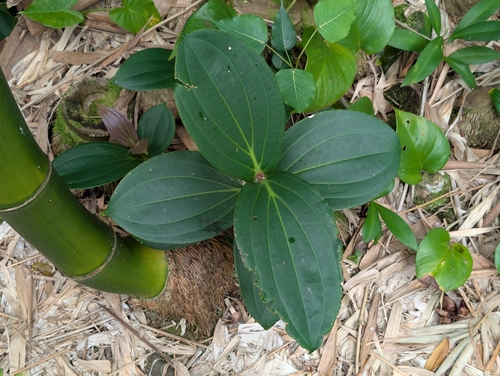
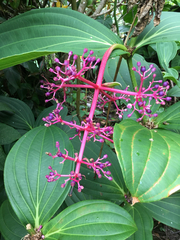
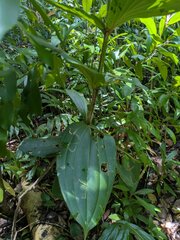
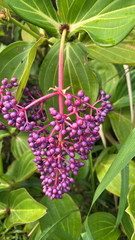
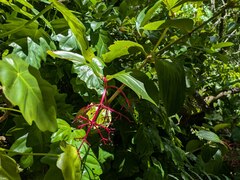
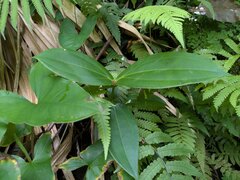
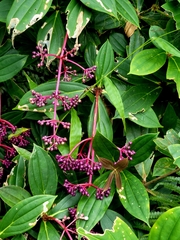
Medinilla cumingii, the chandelier tree, is a species of flowering plant in the family Melastomataceae, native to mossy forest in the Philippines at 700–1,000 m (2,300–3,300 ft) altitude. It is a small shrub, 1–2 m (3.3–6.6 ft) in height, with ternate or quaternate leaves, and many-flowered, pendant panicles up to 25 cm (9.8 in) long. Fruits are 5–7 mm (0.2–0.3 in) in diameter, pink to purplish to bluish-black when ripe.
Quoted from Wikipedia, "Medinilla cumingii", CC BY-SA 4.0.
About the genus · Medinilla
Medinilla is a large paleotropical genus of about 370 species of flowering plants in the family Melastomataceae, native to tropical regions of the Old World from Africa east through southeast Asia to Australia and the western Pacific Ocean. The genus was named after José de Medinilla y Pineda, governor of the Mariana Islands in 1820.
Quoted from Wikipedia, "Medinilla", CC BY-SA 4.0.
Cultivation
Climate across the habitat
Natural habitat
How this section is made
Photographs
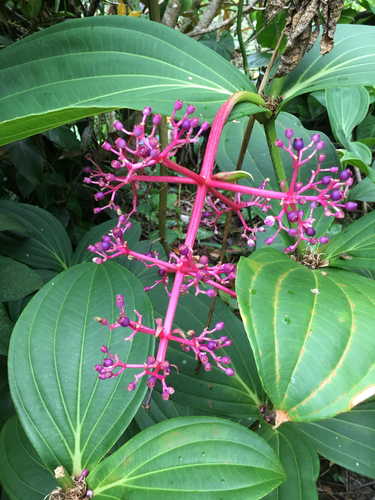
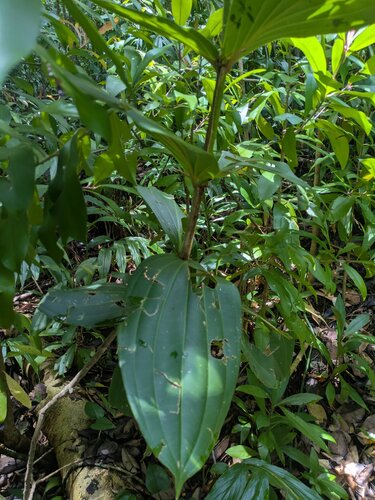

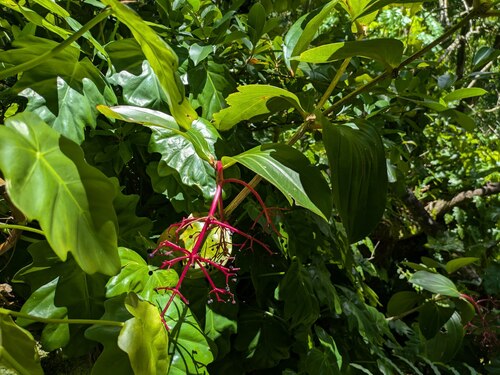
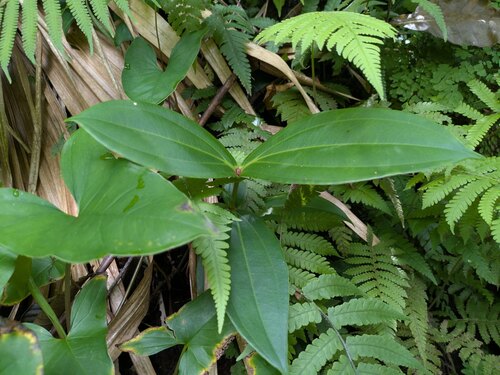
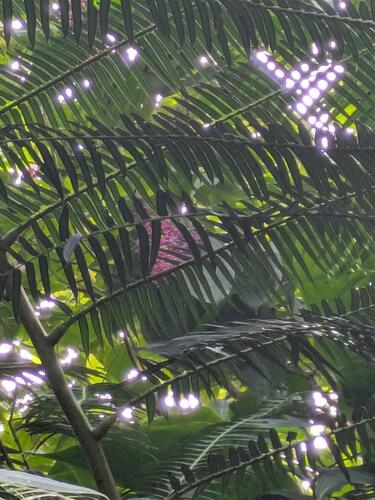
Photographs: (c) Nico Carl, some rights reserved (CC BY); (c) Kevin Faccenda, some rights reserved (CC BY) (4); (c) Richard Jacob, some rights reserved (CC BY).
Related
Other Medinilla 23 in the reference
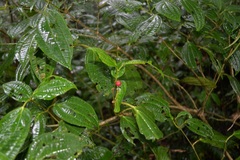 Medinilla astronioides Melastomataceae Photo: CC BY, Peter Quakenbush
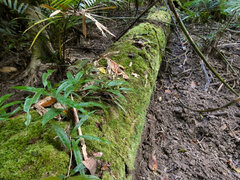 Medinilla balls-headleyi Daintree medinilla Photo: CC BY-SA, Steve Fitzgerald Medinilla banahaensis Melastomataceae Medinilla basaltarum Melastomataceae
 Medinilla crassata Melastomataceae Photo: CC BY, M108t
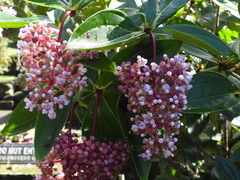 Medinilla eximia Melastomataceae Photo: CC0, Светлана Царахова
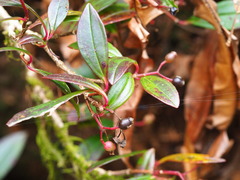 Medinilla fengii Melastomataceae Photo: CC0, author not stated
 Medinilla formosana Melastomataceae Photo: CC BY, Emily Chang
 Medinilla hayatana Melastomataceae Photo: CC BY-SA, 宜蘭第一公民 Medinilla intermedia Melastomataceae all 24 ›
Names & registers
Also known as Medinilla peninsula; Medinilla speciosa; Medinilla vanoverberghii. (GBIF Backbone)
The record
Every figure here is derived from public data by a stated rule and names its source; nothing about this species is written for its page by a person or by AI, apart from the marked, credited quotations. How →
Where this page came from built 2026-10-22
gbif.species answeredasked 2026-10-22gbif.synonyms answeredasked 2026-10-22gbif.vernacular answeredasked 2026-10-22names fetched 2026-10-22wcvp.distribution answeredas of 2026-06-04gbif.occurrences answeredas of 2026-10-21GBIF occurrence download https://doi.org/10.15468/dl.hbdw64, of 2026-10-21; 59 records within 1 km of a botanic garden, herbarium or zoo left out (59 at a botanic garden or arboretum; Wikidata's list)climate nothing to reportasked 2026-10-22only 2 distinct land cells of the climate grid hold an in-range record placed to within 10 km; three are needed for an envelopewikidata answeredasked 2026-10-22wikipedia answeredasked 2026-10-22inat.photos.wild answeredasked 2026-10-22from iNaturalist's open data of 2026-09-27: research-grade observations with an open-licence photograph, the 24 whose photographs iNaturalist received last (the open data holds no votes); filled 2026-10-22inat.photos.cultivated not askedgbif.media answeredasked 2026-10-22openalex not askednot yet asked for this reference; a later fill takes the papers from OpenAlex's snapshotEvery source is recorded as having answered, reported nothing, refused, failed, not been asked, or answered twice where one answer is taken (“not taken: two items answered”), and, for a source asked when this page was built, when: the figures are as the source held them that day; a source read from a file (Kew's World Checklist, a GBIF download) says "as of" the file's day instead; a row carried from an earlier build of the page names that build instead. Only “nothing to report” is ever shown as an absence. Records came from 12 datasets via GBIF.org; each carries its own licence.