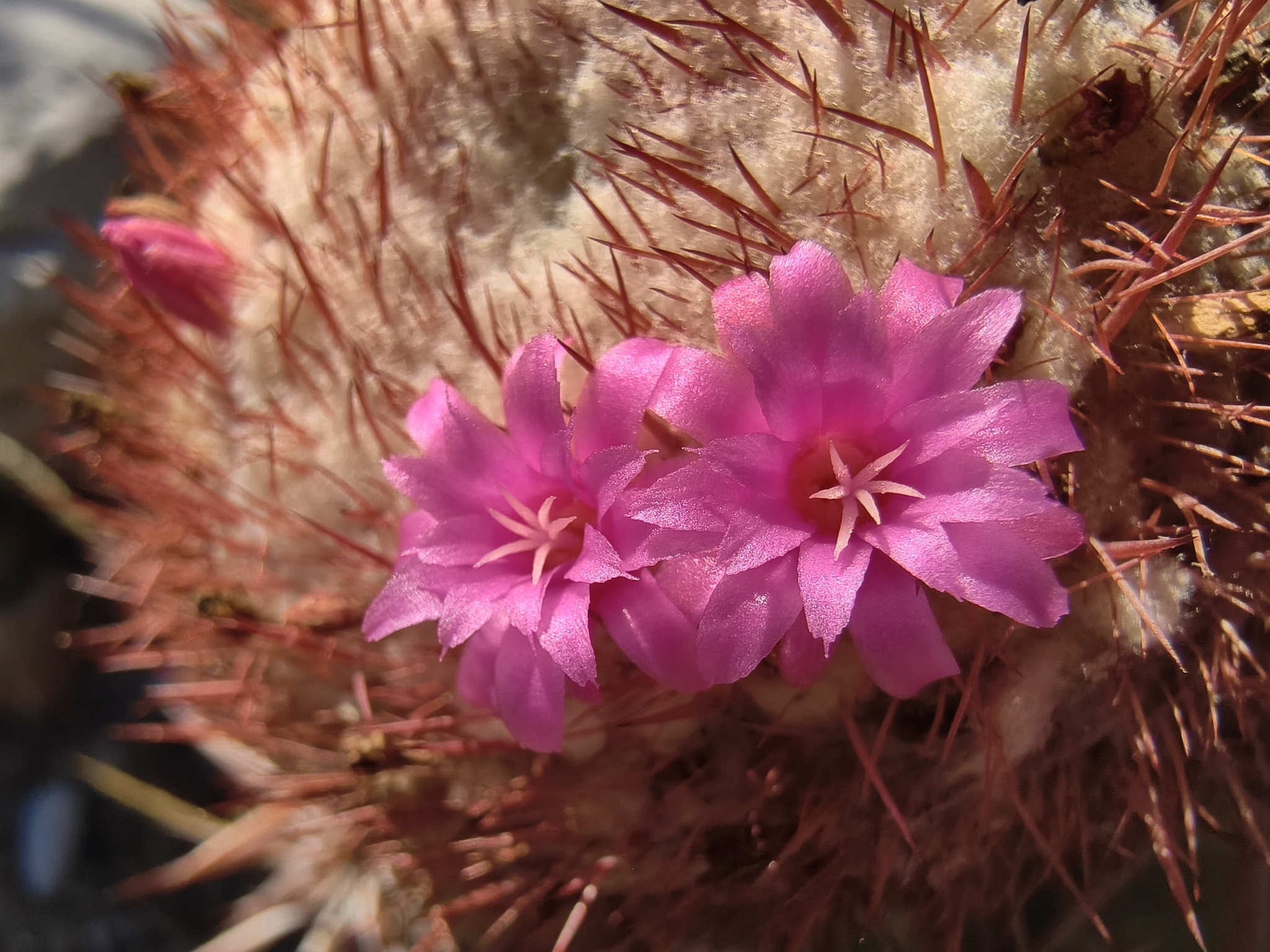
Melocactus lemairei (Monv. ex Lem.) Miq.
Lemaire's Turk's Cap Cactus
Every figure on this page is derived from public data by a stated rule and says its source; nothing here is written by a person or a model, except the Wikipedia passage, which is quoted and marked as such. How it is made.
Summary
Melocactus lemairei is a species of cactus endemic to the Caribbean island of Hispaniola. It is named after French botanist and cactus expert Charles Antoine Lemaire.
Text from Wikipedia, “Melocactus lemairei”, CC BY-SA 4.0, quoted as written. Kept separate from everything derived here.
About the genus · Melocactus
Melocactus, also known as the Turk's head cactus, Turk's cap cactus, or Pope's head cactus, is a genus of cactus with about 30–40 species. They are native to the Caribbean, western Mexico through Central America to northern South America, with some species along the Andes down to southern Peru, and a concentration of species in northeastern Brazil.
Text from Wikipedia, “Melocactus”, CC BY-SA 4.0, quoted as written.
Cultivation
Grouped as a cactus or succulent by the genus Melocactus, which is reliably one kind of plant (archetype table). The table holds no figure for this group, which spans too much for one minimum, and no habitat climate is derived yet; no cold floor is given, and no prose comes from the table.
Climate across the habitat
Natural habitat
Photographs
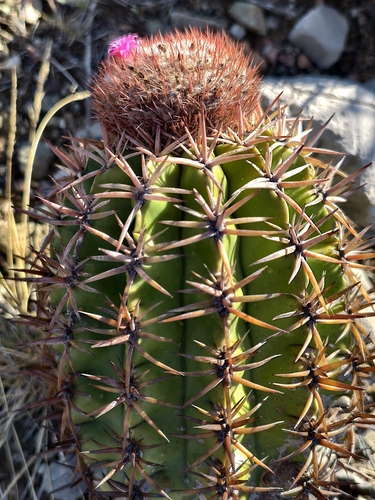
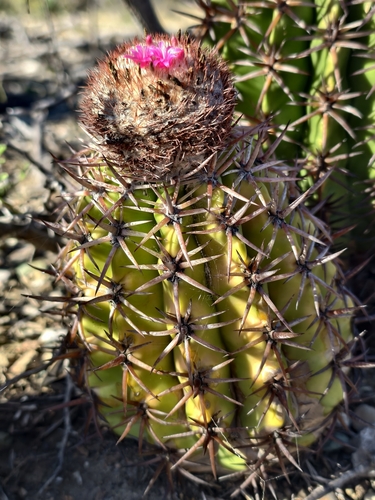
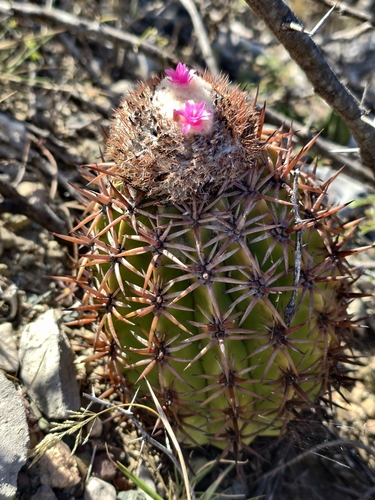
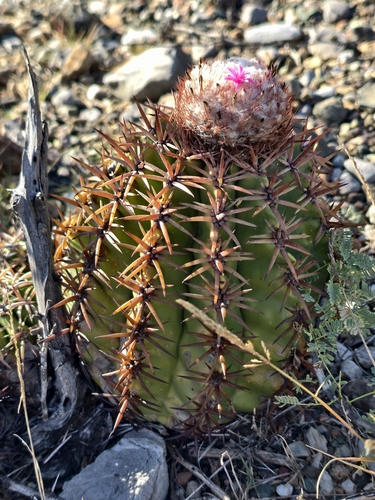
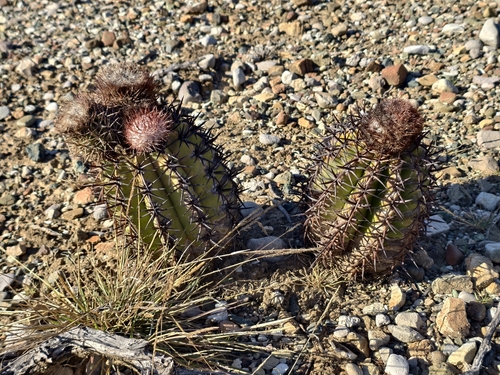
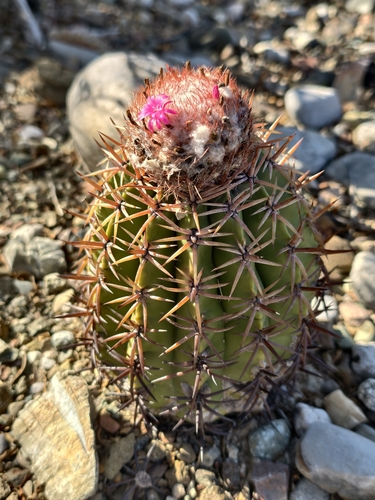
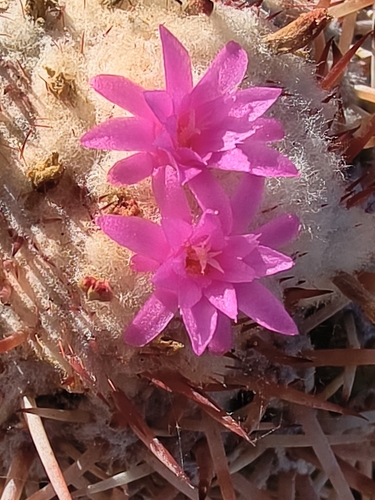
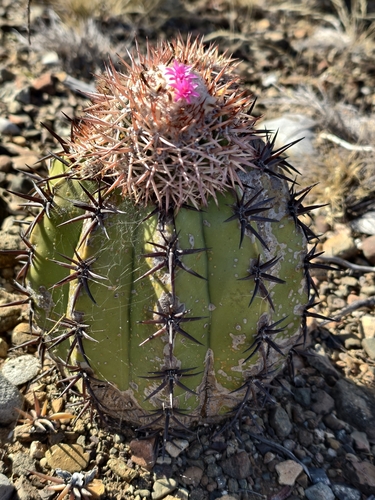
Photographs: fmunoz, CC BY, iNaturalist via GBIF (8).
Photographs: iNaturalist did not answer when this page was built; what is shown came from the sources that did.
Papers naming this species
Works whose title or abstract names Melocactus lemairei, most cited first, from OpenAlex (CC0). A mention, not a cultivation source: nothing on this page is drawn from them.
Related
Other Melocactus 39 in the reference
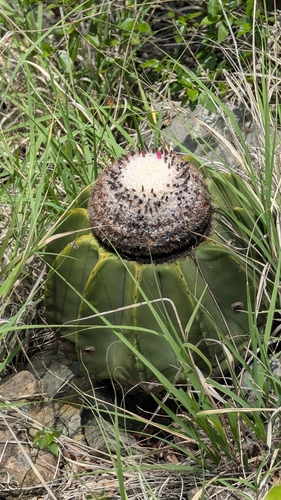 Melocactus andinus Cactaceae
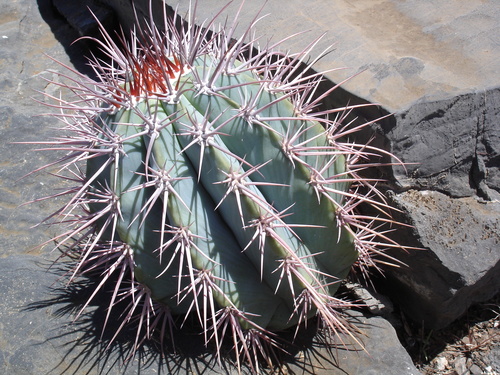 Melocactus azureus Turk's Cap Cactus
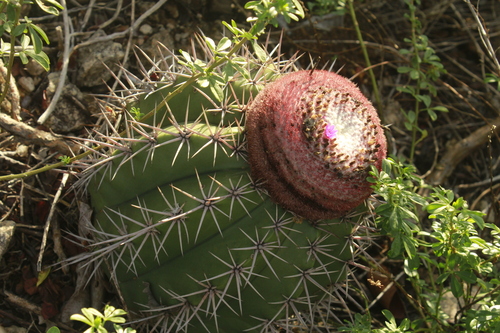 Melocactus bahiensis Cactaceae
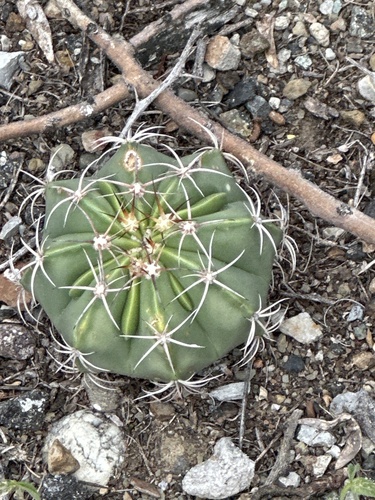 Melocactus bellavistensis Cactaceae Melocactus braunii Cactaceae Melocactus brederooanus Cactaceae
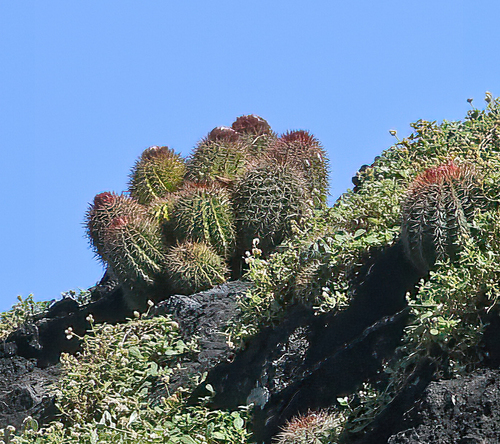 Melocactus broadwayi Turk's Cap
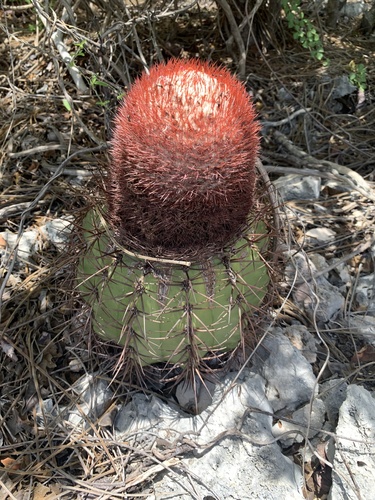 Melocactus caroli-linnaei Cactaceae
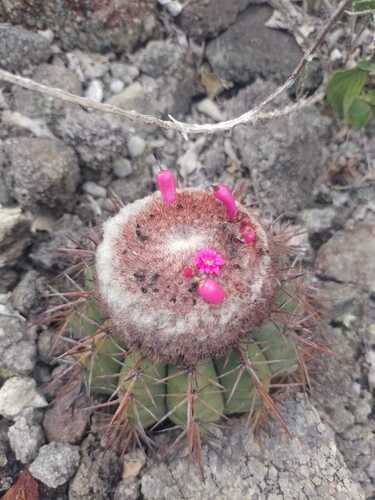 Melocactus conoideus cone-like Turk's-head cactus
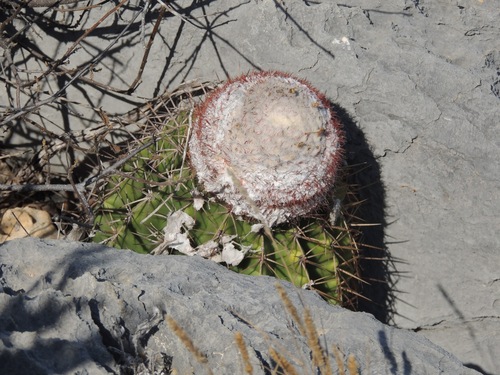 Melocactus curvispinus Cactaceae Melocactus deinacanthus wonderful-bristle Turk's-head cactus
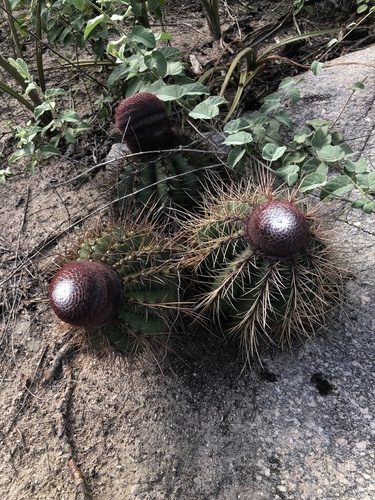 Melocactus ernestii Cactaceae all 40 ›
History & registers
Where this page came from built 2026-09-20 · dossier v2 · node
gbif.species answeredgbif.synonyms answeredgbif.vernacular answeredwcvp.distribution answeredgbif.occurrences answeredGBIF occurrence search APIclimate nothing to reportwikidata answeredcarried from build of 2026-09-20 (rederive); that build: carried from build of 2026-09-20 (rederive); that build: carried from build of 2026-09-19 (rederive); that build: carried from build of 2026-09-19 (rederive)wikipedia answeredcarried from build of 2026-09-20; this build: skippedinat.taxon not askedcarried from build of 2026-09-20 (rederive); that build: carried from build of 2026-09-20 (rederive)inat.photos.wild not askedcarried from build of 2026-09-20 (rederive); that build: carried from build of 2026-09-20 (rederive); that build: carried from build of 2026-09-19 (rederive); that build: not asked: 24 wild photographs already from the GBIF downloadinat.photos.cultivated nothing to reportcarried from build of 2026-09-20 (rederive); that build: carried from build of 2026-09-20 (rederive); that build: carried from build of 2026-09-19 (rederive); that build: carried from build of 2026-09-19 (rederive)commons nothing to reportcarried from build of 2026-09-20 (rederive); that build: carried from build of 2026-09-20 (rederive); that build: carried from build of 2026-09-19 (rederive); that build: carried from build of 2026-09-19 (rederive)gbif.media answeredopenalex answeredcarried from build of 2026-09-20; this build: skippedEvery upstream is recorded as having answered, reported nothing, or refused. Only “nothing to report” is ever shown as an absence. Records came from 7 datasets via GBIF.org; each carries its own licence.