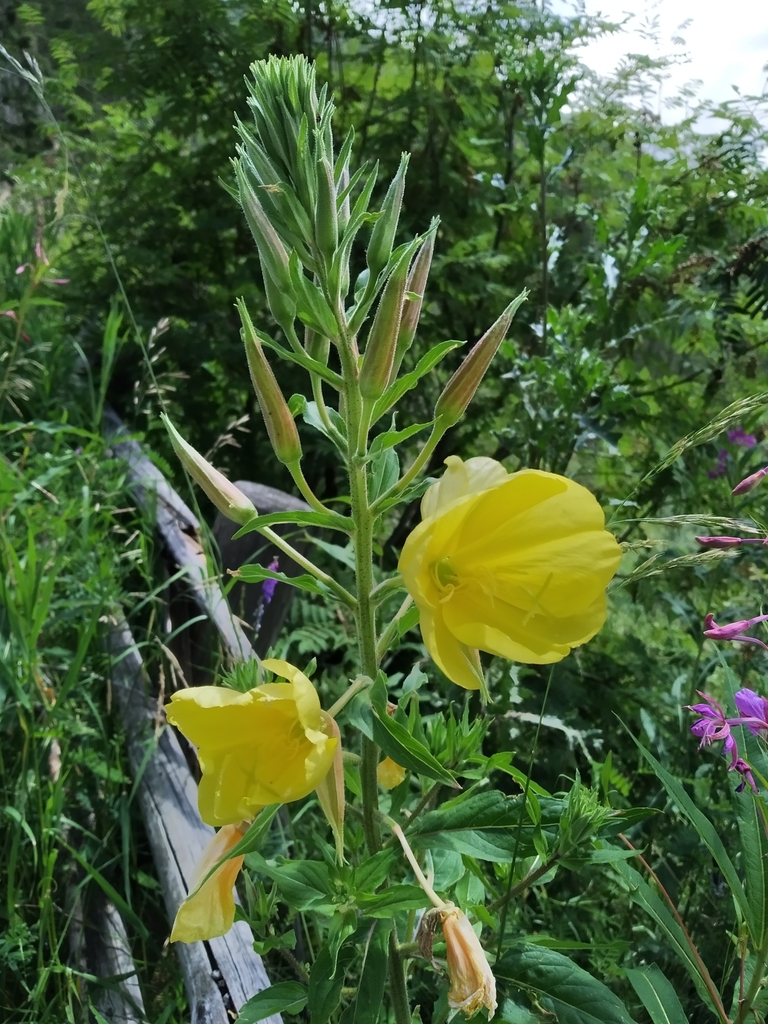
Oenothera glazioviana Micheli
Large Evening Primrose, Large-Flowered Evening-Primrose, Large-flowered evening primrose, Redsepal evening primrose
Every figure on this page is derived from public data by a stated rule and says its source; nothing here is written by a person or a model, except the Wikipedia passage, which is quoted and marked as such. How it is made.
Summary
Oenothera glazioviana is a species of flowering plant in the evening primrose family known by the common names large-flowered evening-primrose and redsepal evening primrose. Oenothera lamarckiana was formerly believed to be a distinct species, but is now regarded as a synonym of Oe. glazioviana. Oenothera glazioviana can be found in scattered locations worldwide as an introduced species and in some locations behaves as an invasive species. It has long been cultivated as an ornamental plant.
Text from Wikipedia, “Oenothera glazioviana”, CC BY-SA 4.0, quoted as written. Kept separate from everything derived here.
About the genus · Oenothera
Oenothera is a genus of about 160 species of herbaceous flowering plants native to the Americas. The genus includes the plants known as common evening primrose, narrow-leaved sundrops and white gaura. It is the type genus of the family Onagraceae. More on Wikipedia ›
The opening of Wikipedia, “Oenothera”, CC BY-SA 4.0, quoted as written.
Also known as Oenothera aberrans Lutz; Oenothera albida de Vries; Oenothera biennis f. erythrosepala (Borbás) Jáv., 1924; Oenothera bipartita Lutz; Oenothera blandina de Vries and 45 more.
Cultivation
Climate across the habitat
Natural habitat
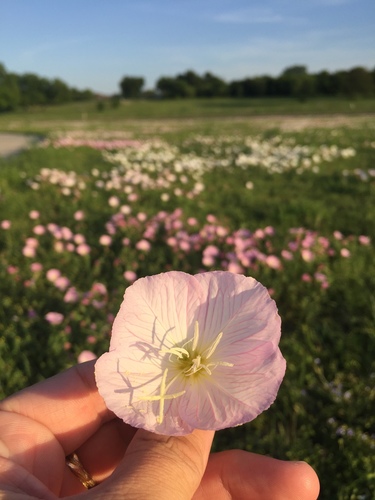
Photographs
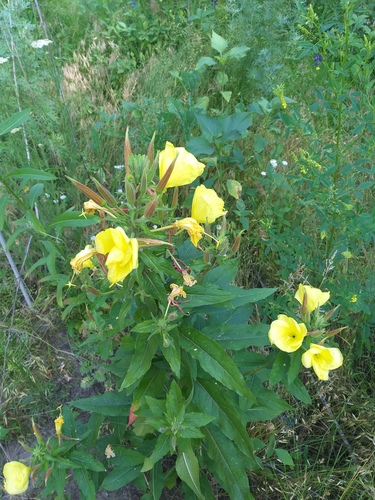
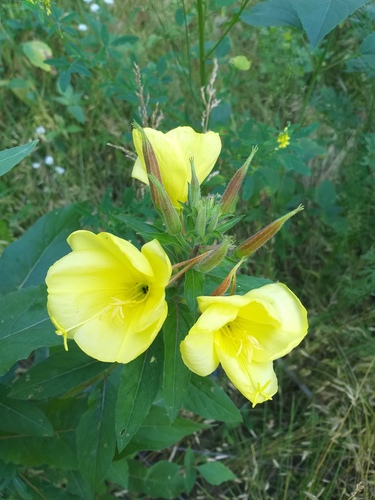
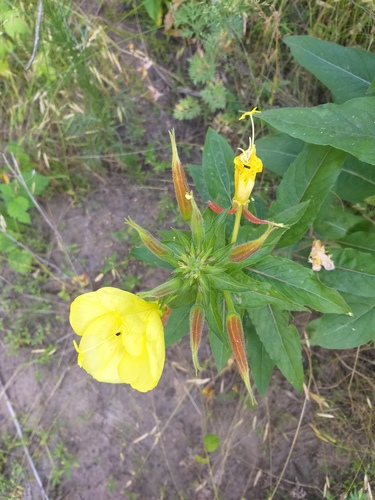
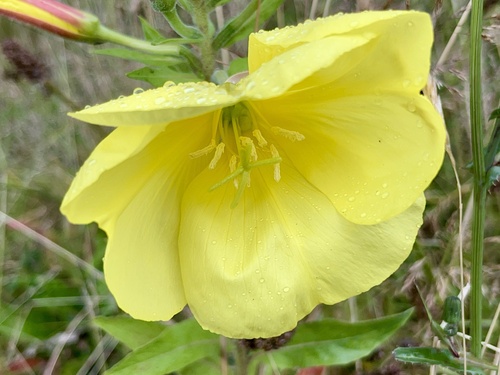
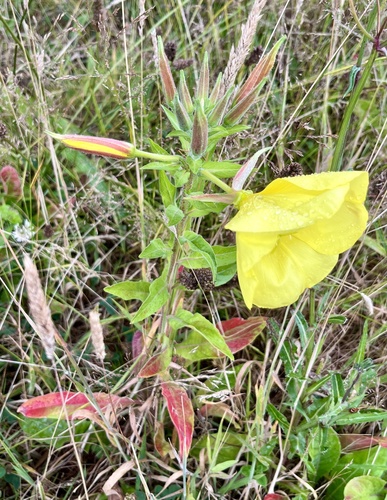
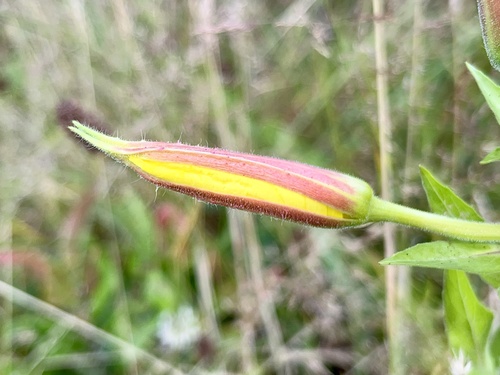
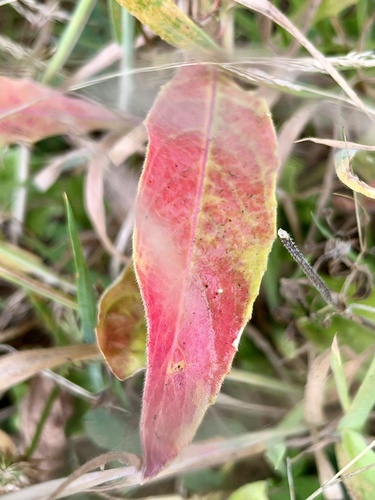
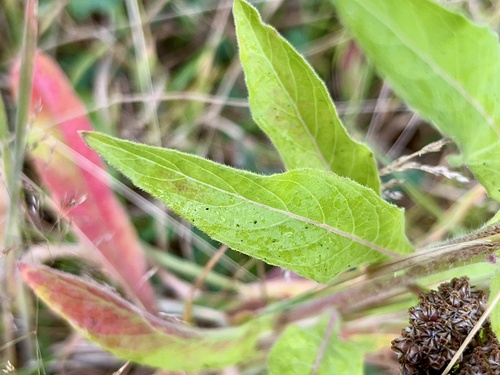
Photographs: (c) Dmitriy Bochkov, some rights reserved (CC BY) (3); (c) Kieran Roy Powell, some rights reserved (CC BY) (5).
Photographs: iNaturalist did not answer when this page was built; what is shown came from the sources that did.
Papers naming this species
Works whose title or abstract names Oenothera glazioviana, most cited first, from OpenAlex (CC0). A mention, not a cultivation source: nothing on this page is drawn from them.
Related
Other Oenothera 8 in the reference
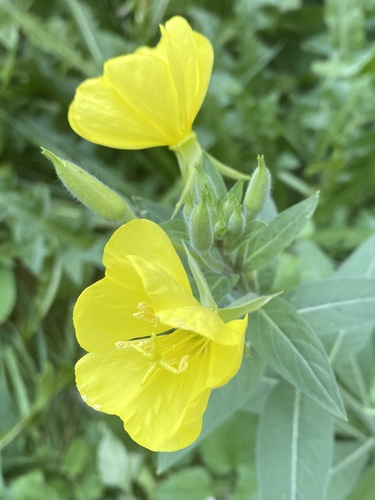 Oenothera biennis Common Evening Primrose
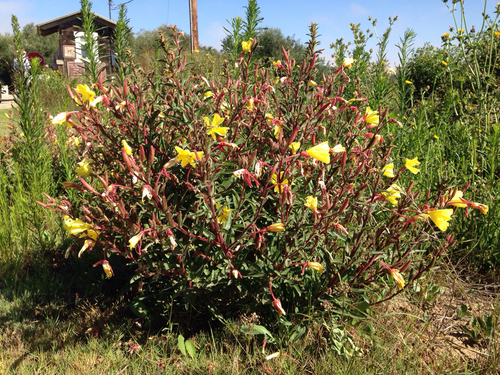 Oenothera elata Hooker's Evening-Primrose
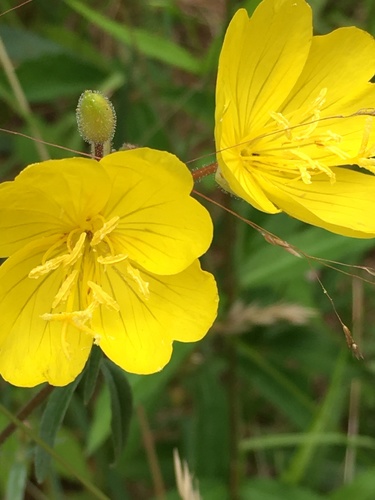 Oenothera fruticosa Narrow-leaf Evening-primrose
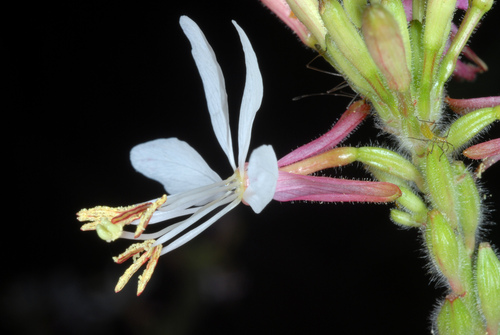 Oenothera gaura Biennial Evening-Primrose
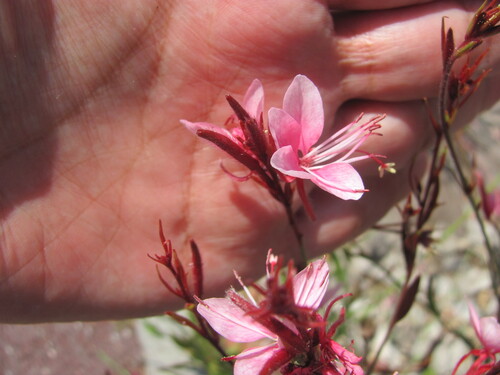 Oenothera lindheimeri Lindheimer's Beeblossom
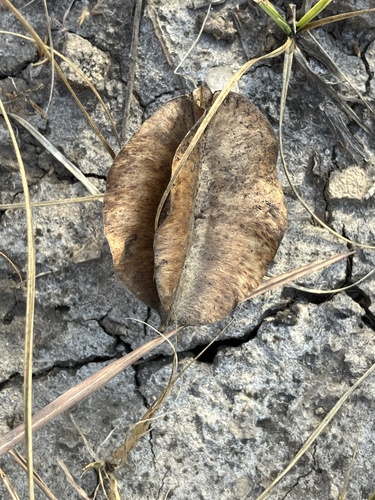 Oenothera macrocarpa Ozark sundrop
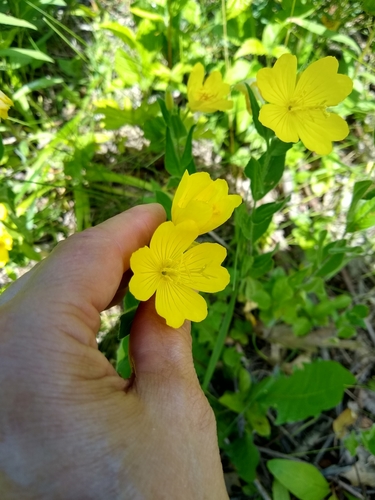 Oenothera pilosella meadow evening primrose
 Oenothera speciosa Mexican Evening Primrose
 History & registers
Where this page came from built 2026-09-20 · dossier v2 · node
gbif.species answeredcarried from build of 2026-09-19 (offline re-derivation; the backbone was not asked)gbif.synonyms answeredcarried from build of 2026-09-19 (offline re-derivation; the backbone was not asked)gbif.vernacular answeredcarried from build of 2026-09-19 (offline re-derivation; the backbone was not asked)wcvp.distribution answeredgbif.occurrences answeredGBIF occurrence download https://doi.org/10.15468/dl.3h4zamclimate nothing to reportwikidata answeredcarried from build of 2026-09-19 (rederive); that build: carried from build of 2026-09-19 (rederive)wikipedia answeredcarried from build of 2026-09-19; this build: skippedinat.taxon not askedinat.photos.wild answeredcarried from build of 2026-09-19; this build: skippedinat.photos.cultivated nothing to reportcarried from build of 2026-09-19 (rederive); that build: carried from build of 2026-09-19 (rederive)commons nothing to reportcarried from build of 2026-09-19 (rederive); that build: carried from build of 2026-09-19 (rederive)gbif.media answeredopenalex answeredcarried from build of 2026-09-19; this build: skippedEvery upstream is recorded as having answered, reported nothing, or refused. Only “nothing to report” is ever shown as an absence. Records came from 149 datasets via GBIF.org; each carries its own licence.