


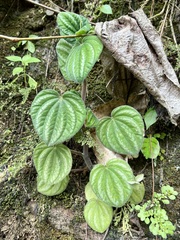
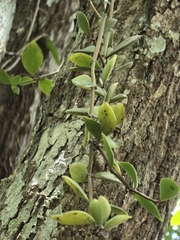
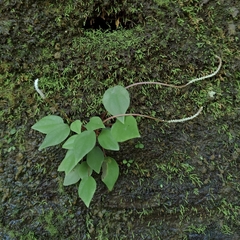
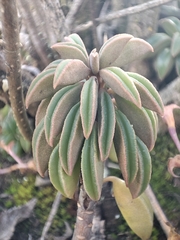
 4 photographs ›
About the genus · Peperomia
Peperomia is one of the two large genera of the family Piperaceae. It is estimated that there are over 1,000 species, occurring in all tropical and subtropical regions of the world. They are concentrated in South and Central America, but may also be found in southern North America, the Caribbean islands, Africa, Oceania, and southern and eastern parts of Asia. More on Wikipedia ›
Quoted from Wikipedia, "Peperomia", CC BY-SA 4.0.
Cultivation
Climate across the habitat
Natural habitat
Photographs


Photographs: Jerzy Opioła, CC BY-SA 4.0, via Wikimedia Commons; Dryas, CC BY-SA 3.0, via Wikimedia Commons; Krzysztof Ziarnek, Kenraiz, CC BY-SA 4.0, via Wikimedia Commons.
Related
Other Peperomia 83 in the reference
 Peperomia albovittata Piperaceae Photo: CC BY, Sue Carnahan
 Peperomia angustata Piperaceae Photo: CC BY-SA, Jalil R. Peperomia argyraea Watermelon Peperomia
 Peperomia arifolia Piperaceae Photo: CC BY, Jhonatan Matheus
 Peperomia asperula Piperaceae Photo: CC0, Principe Mendoza Babilon
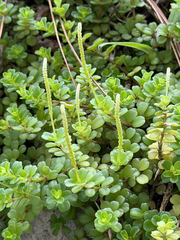 Peperomia berlandieri Piperaceae Photo: CC BY, Cody Hinchliff
 Peperomia bicolor Piperaceae Photo: CC BY, Tournasol7
 Peperomia blanda Arid-land peperomia Photo: CC BY, Joachim Blatchly
 Peperomia boivinii Piperaceae Photo: CC0, Gemena
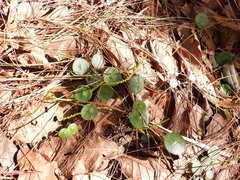 Peperomia bracteata Piperaceae Photo: CC BY, Neptalí Ramírez Marcial
 Peperomia camptotricha Piperaceae Photo: CC BY-SA, James Steakley
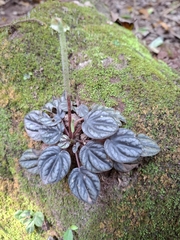 Peperomia caperata Emerald-ripple pepper Photo: CC BY, CaracalShan all 84 ›
Names & registers
Also known as Peperomia flexicaulis var. microphylla. (GBIF Backbone)
The record
Every figure here is derived from public data by a stated rule and names its source; nothing about this species is written for its page by a person or by AI, apart from the marked, credited quotations. How →
Where this page came from built 2026-10-22
gbif.species answeredasked 2026-10-22gbif.synonyms answeredasked 2026-10-22gbif.vernacular answeredasked 2026-10-22names fetched 2026-10-22wcvp.distribution answeredas of 2026-06-04gbif.occurrences nothing to reportasked 2026-10-22climate nothing to reportasked 2026-10-22no georeferenced record inside the rangewikidata answeredasked 2026-10-22wikipedia nothing to reportasked 2026-10-22inat.taxon not askedinat.photos.wild not askedinat.photos.cultivated not askedgbif.media nothing to reportasked 2026-10-22commons answeredasked 2026-10-22openalex not askednot yet asked for this reference; a later fill takes the papers from OpenAlex's snapshotEvery source is recorded as having answered, reported nothing, refused, failed, not been asked, or answered twice where one answer is taken (“not taken: two items answered”), and, for a source asked when this page was built, when: the figures are as the source held them that day; a source read from a file (Kew's World Checklist, a GBIF download) says "as of" the file's day instead; a row carried from an earlier build of the page names that build instead. Only “nothing to report” is ever shown as an absence.