


 14 photographs ›
Summary
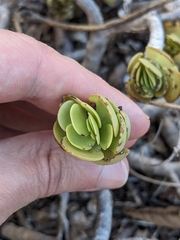
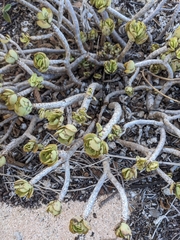
Portulaca molokiniensis, known also as 'ihi, is a succulent plant endemic to Hawaii. This plant is federally listed as an endangered species. It has small yellow flowers and when grown from seed may produce a caudex. This plant is easy to propagate.
Quoted from Wikipedia, "Portulaca molokiniensis", CC BY-SA 4.0.
About the genus · Portulaca
Portulaca is a genus of flowering plants in the family Portulacaceae, and is the type genus of the family. With over 100 species, it is found generally in the tropics and warm temperate regions. Portulacas are also known as the purslanes.
Quoted from Wikipedia, "Portulaca", CC BY-SA 4.0.
Cultivation
Climate across the habitat
Natural habitat
How this section is made
Photographs

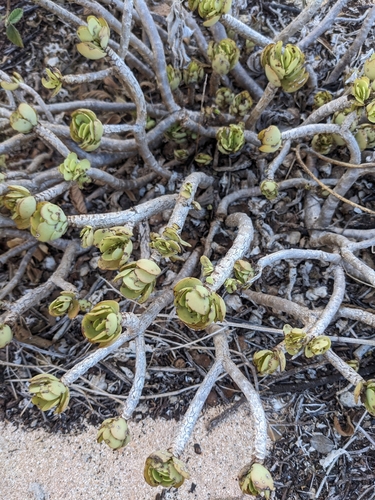


Photographs: (c) Eric Knight, some rights reserved (CC BY) (2); Forest & Kim Starr, CC BY 3.0, via Wikimedia Commons (4).
Related
Other Portulaca 13 in the reference
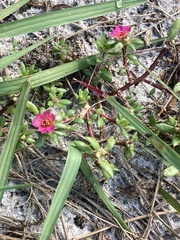 Portulaca amilis Paraguayan purslane Photo: CC0, author not stated
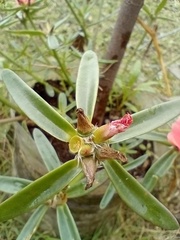 Portulaca cryptopetala Portulacaceae Photo: CC BY, Carla Florencia Rodríguez
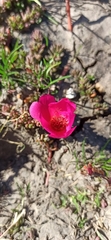 Portulaca gilliesii Portulacaceae Photo: CC BY, Rafael Tosi
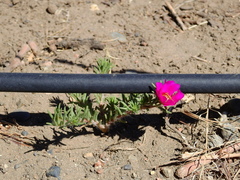 Portulaca grandiflora Rose-moss Photo: CC BY, Guillermo Debandi
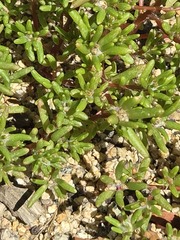 Portulaca halimoides Silk-cotton purslane Photo: CC BY, Jo Roberts
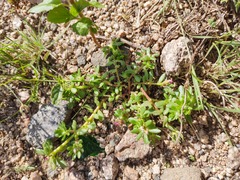 Portulaca obtusa Argentinian Purslane Photo: CC BY, Lucas Carbone
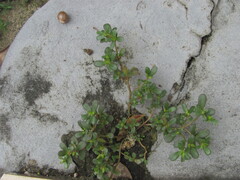 Portulaca oleracea Common purslane Photo: CC BY, zebedeugalinha
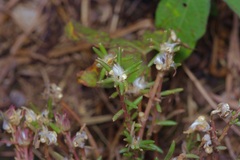 Portulaca pilosa Kiss-me-quick Photo: CC BY, Michelle W. (鍾偉瑋)
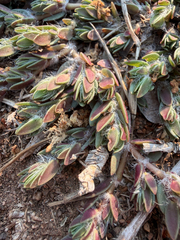 Portulaca quadrifida Chickenweed Photo: CC BY-SA, Rebecca Ryen-Stols
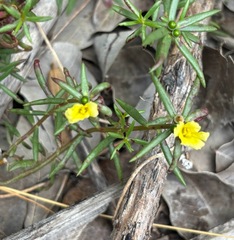 Portulaca rubricaulis Red-stem purslane Photo: CC BY, Josiah Londerée
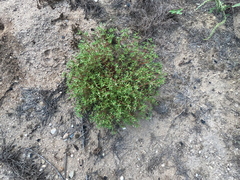 Portulaca suffrutescens Shrubby purslane Photo: CC BY, Bruce Hartman
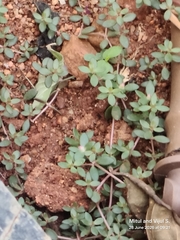 Portulaca umbraticola Wingpod purslane Photo: CC BY, Mitul and Vijul Singh all 14 ›
Names & registers
The record
Every figure here is derived from public data by a stated rule and names its source; nothing about this species is written for its page by a person or by AI, apart from the marked, credited quotations. How →
Where this page came from built 2026-10-22
gbif.species answeredasked 2026-10-22gbif.synonyms answeredasked 2026-10-22gbif.vernacular answeredasked 2026-10-22names fetched 2026-10-22wcvp.distribution answeredas of 2026-06-04gbif.occurrences answeredas of 2026-10-21GBIF occurrence download https://doi.org/10.15468/dl.hbdw64, of 2026-10-21climate nothing to reportasked 2026-10-226 in-range records, none placed to within 10 kmwikidata answeredasked 2026-10-22wikipedia answeredasked 2026-10-22inat.photos.wild answeredasked 2026-10-22from iNaturalist's open data of 2026-09-27: research-grade observations with an open-licence photograph, the 24 whose photographs iNaturalist received last (the open data holds no votes); filled 2026-10-22inat.photos.cultivated not askedgbif.media answeredasked 2026-10-22none of the photographs on this page is credited to GBIF: those shown are other sources', and GBIF's were the same photographs or were set aside by the photograph rulescommons answeredasked 2026-10-22openalex not askednot yet asked for this reference; a later fill takes the papers from OpenAlex's snapshotEvery source is recorded as having answered, reported nothing, refused, failed, not been asked, or answered twice where one answer is taken (“not taken: two items answered”), and, for a source asked when this page was built, when: the figures are as the source held them that day; a source read from a file (Kew's World Checklist, a GBIF download) says "as of" the file's day instead; a row carried from an earlier build of the page names that build instead. Only “nothing to report” is ever shown as an absence. Records came from 2 datasets via GBIF.org; each carries its own licence.