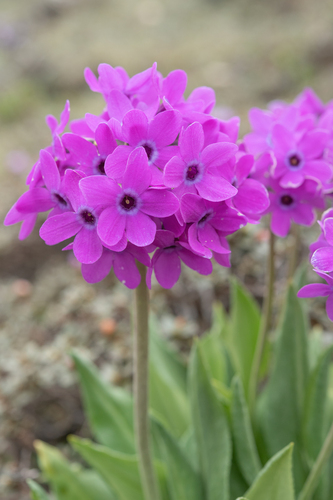
Primula chionantha Balf.f. & Forrest
Cited as Kew's World Checklist cites it, Primula chionantha Balf.f. & Forrest: GBIF's backbone key for this page carries the name with another author, Balf.fil. & Forrest.
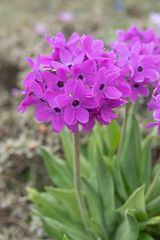
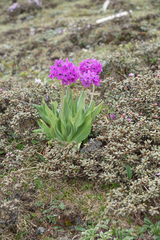
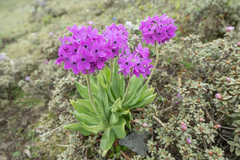
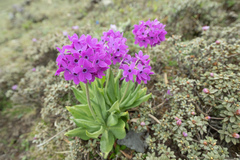
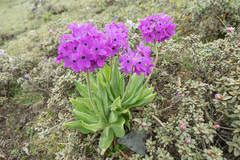 6 photographs ›
Summary
Primula chionantha, the snow-white primrose, is a species of flowering plant in the family Primulaceae, native to Tibet, Sichuan and Yunnan in China. It has gained the Royal Horticultural Society's Award of Garden Merit.
Quoted from Wikipedia, "Primula chionantha", CC BY-SA 4.0.
About the genus · Primula
Primula is a genus of herbaceous flowering plants in the family Primulaceae. They include the primrose, a familiar wildflower of banks and verges. Other common species are P. auricula (auricula), P. veris (cowslip), and P. elatior (oxlip). More on Wikipedia ›
Quoted from Wikipedia, "Primula", CC BY-SA 4.0.
Cultivation
Climate across the habitat
Natural habitat
How this section is made
Photographs
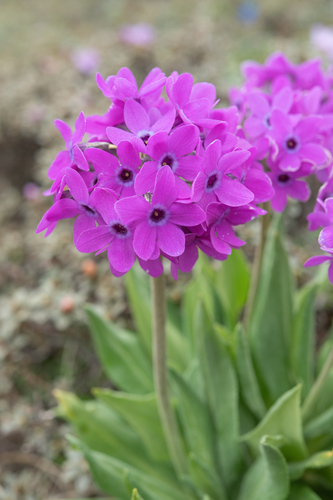
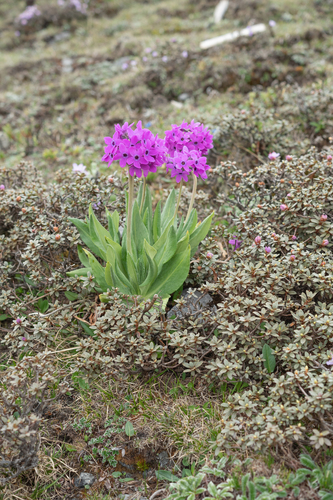
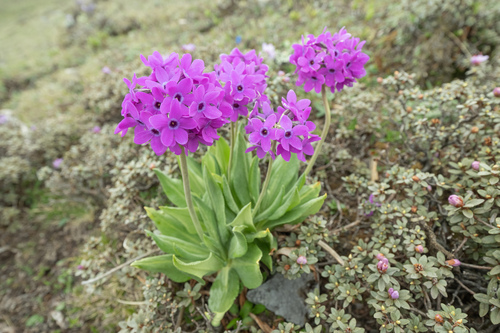
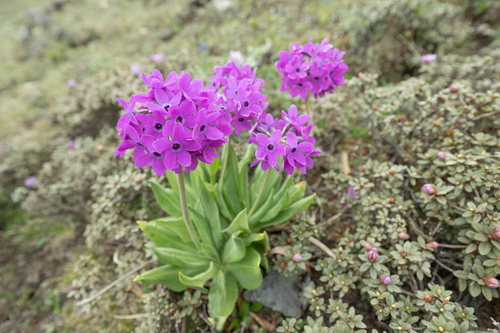
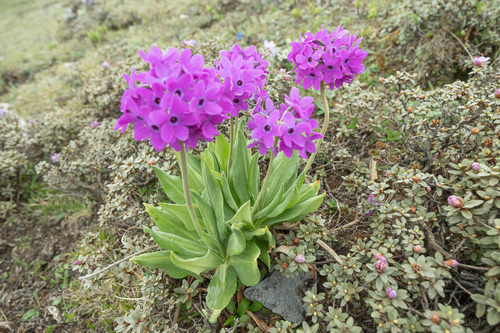
Photographs: Morten Ross, CC BY, iNaturalist via GBIF (5).
Related
Other Primula 204 in the reference
 Primula algida Primulaceae Photo: CC BY, Юлия Захаренко
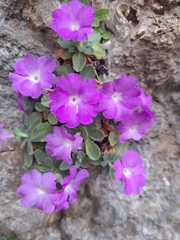 Primula allionii Primulaceae Photo: CC BY, Flavien Saboureau
 Primula alpicola Moonlight primrose Photo: CC BY-SA, peganum
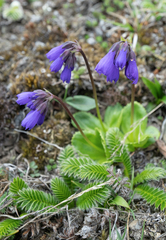 Primula amethystina Primulaceae Photo: CC BY, Morten Ross
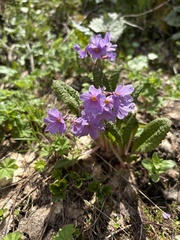 Primula amoena Caucasian primrose Photo: CC BY, Екатерина Кравцова
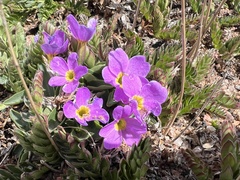 Primula angustifolia Alpine primrose Photo: CC BY, Aiva Noringseth
 Primula anisodora Anise primrose Photo: CC BY-SA, Stan Shebs
 Primula apennina Primulaceae Photo: CC0, author not stated
 Primula aurantiaca Primulaceae Photo: CC BY-SA, Salicyna
 Primula aureata Primulaceae Photo: CC BY, desertnaturalist
 Primula auricula Auricula Photo: CC BY, Jonas Sielenkämper all 205 ›
Names & registers
Also known as Primula nivalis var. purpurea; Primula sinopurpurea. (GBIF Backbone)
Under another author Primula nivalis Forbes & Hemsl. is an older name of this species, not Primula nivalis, a species of the reference. (GBIF Backbone)
The record
Every figure here is derived from public data by a stated rule and names its source; nothing about this species is written for its page by a person or by AI, apart from the marked, credited quotations. How →
Where this page came from built 2026-10-22
gbif.species answeredasked 2026-10-22GBIF's key 7290904 is Primula chionantha Balf.fil. & Forrest; the page links Kew's Primula chionantha Balf.f. & Forrest, and the name is cited as Kew cites itgbif.synonyms answeredasked 2026-10-22gbif.vernacular answeredasked 2026-10-22names fetched 2026-10-22wcvp.distribution answeredas of 2026-06-04gbif.occurrences answeredas of 2026-10-21GBIF occurrence download https://doi.org/10.15468/dl.hbdw64, of 2026-10-21climate nothing to reportasked 2026-10-22only 1 distinct land cell of the climate grid holds an in-range record placed to within 10 km; three are needed for an envelopewikidata answeredasked 2026-10-22wikipedia answeredasked 2026-10-22inat.taxon not askedinat.photos.wild not askedinat.photos.cultivated not askedgbif.media answeredasked 2026-10-22commons nothing to reportasked 2026-10-22openalex not askednot yet asked for this reference; a later fill takes the papers from OpenAlex's snapshotEvery source is recorded as having answered, reported nothing, refused, failed, not been asked, or answered twice where one answer is taken (“not taken: two items answered”), and, for a source asked when this page was built, when: the figures are as the source held them that day; a source read from a file (Kew's World Checklist, a GBIF download) says "as of" the file's day instead; a row carried from an earlier build of the page names that build instead. Only “nothing to report” is ever shown as an absence. Records came from 15 datasets via GBIF.org; each carries its own licence.