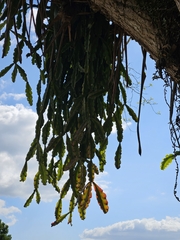
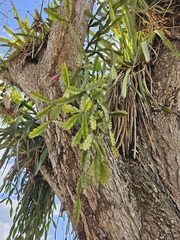
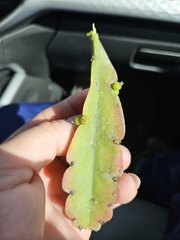
 12 photographs ›
Summary
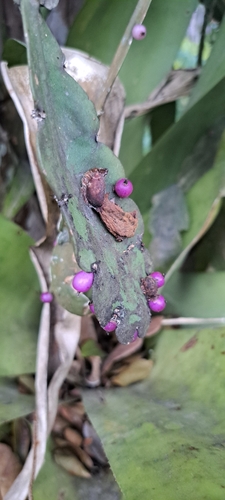
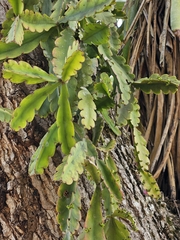
Rhipsalis russellii is a species of plant in the family Cactaceae. It is endemic to Brazil. Its natural habitats are subtropical or tropical moist lowland forests and rocky areas. It is threatened by habitat loss.
Quoted from Wikipedia, "Rhipsalis russellii", CC BY-SA 4.0.
About the genus · Rhipsalis
Rhipsalis is a genus of epiphytic flowering plants in the cactus family, typically known as mistletoe cacti. They are found in parts of Central America, the Caribbean and northern regions of South America. One species, Rhipsalis baccifera also inhabits locations in Africa and Asia, and is the only cactus species naturally occurring in the Old World. More on Wikipedia ›
Quoted from Wikipedia, "Rhipsalis", CC BY-SA 4.0.
Cultivation
Grouped as an epiphyte, listed under the genus Rhipsalis in the archetype table, and Kew describes it as “succulent epiphyte”.
How this section is made
Each card states this species' habitat figures with their sources, and what two fixed rules read from them; nothing here says what the plant does, wants or tolerates. The rules · the terms.
Group. Listed under the genus Rhipsalis in the archetype table, and Kew describes it as “succulent epiphyte”. A group is taken only where Kew's description of the species agrees with the table's listing. The table gives no figure and no prose; the cold floor is the habitat's alone.
Climate across the habitat
Natural habitat
How this section is made
Photographs
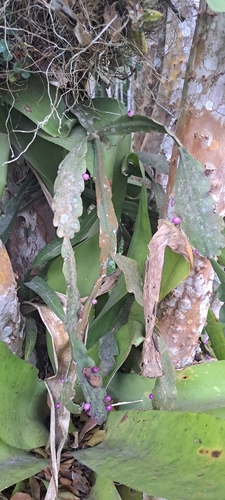
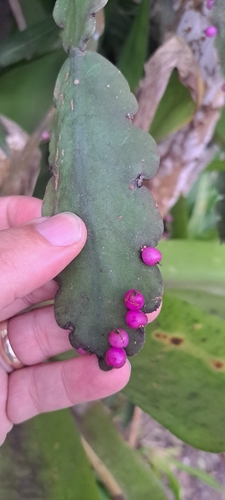
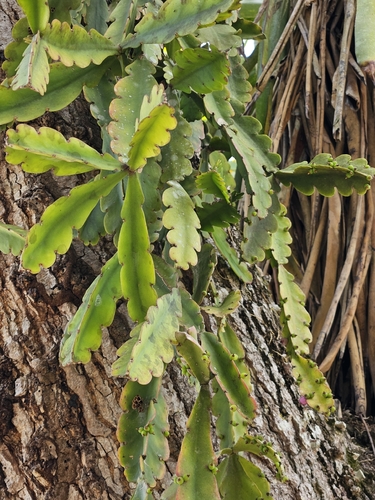
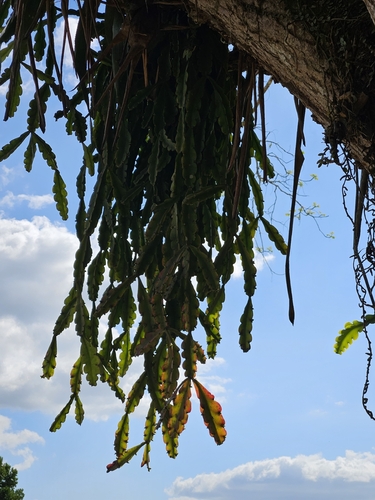
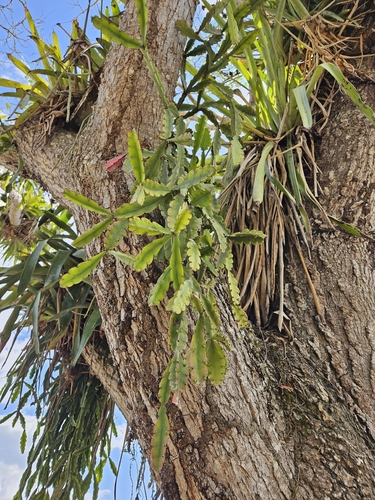
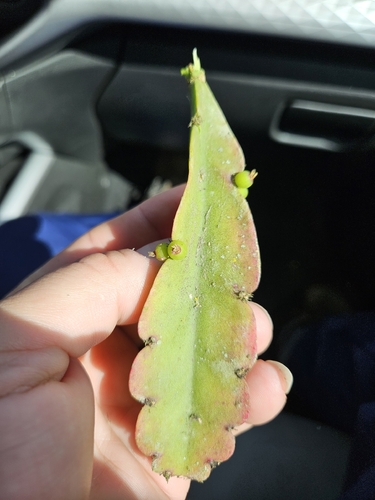
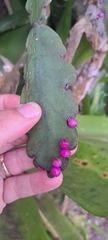
Photographs: (c) Marcio Santos Ferreira, some rights reserved (CC BY) (2); (c) Celso Henrique Varela Rios, some rights reserved (CC BY) (4).
Related
Other Rhipsalis 34 in the reference
 Rhipsalis baccifera Mistletoe cactus Photo: CC BY, Claudio Cantú Muñiz
 Rhipsalis burchellii Cactaceae Photo: CC BY, Jefferson Ferreira
 Rhipsalis campos-portoana Cactaceae Photo: CC BY-SA, salchu
 Rhipsalis cereoides Cactaceae Photo: CC BY-SA, Krzysztof Ziarnek, Kenraiz
 Rhipsalis cereuscula Rice cactus Photo: CC BY, William Stephens
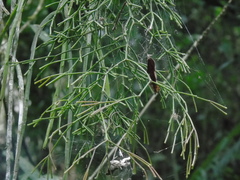 Rhipsalis clavata Cactaceae Photo: CC BY, Gabriel Jovêncio Ribeiro
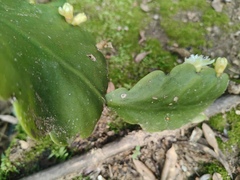 Rhipsalis crispata Cactaceae Photo: CC BY, Diogo Luiz
 Rhipsalis cuneata Cactaceae Photo: CC BY, Krzysztof Ziarnek, Kenraiz
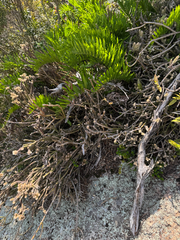 Rhipsalis dissimilis Cactaceae Photo: CC BY, Pedro Alvaro Neves
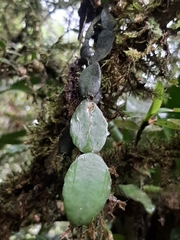 Rhipsalis elliptica Cactaceae Photo: CC BY, Yoannis Domínguez
 Rhipsalis ewaldiana Cactaceae Photo: CC BY-SA, Sadambio
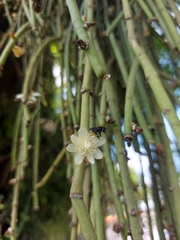 Rhipsalis floccosa Cactaceae Photo: CC BY, Gabriel Fernandes all 35 ›
Names & registers
The record
Every figure here is derived from public data by a stated rule and names its source; nothing about this species is written for its page by a person or by AI, apart from the marked, credited quotations. How →
Where this page came from built 2026-10-22
gbif.species answeredasked 2026-10-22gbif.synonyms answeredasked 2026-10-22gbif.vernacular answeredasked 2026-10-22names fetched 2026-10-22wcvp.distribution answeredas of 2026-06-04gbif.occurrences answeredas of 2026-10-21GBIF occurrence download https://doi.org/10.15468/dl.hbdw64, of 2026-10-21climate nothing to reportasked 2026-10-2292 in-range records, none placed to within 10 kmwikidata answeredasked 2026-10-22IPNI and POWO linked by Kew's number for Rhipsalis russellii Britton & Rose (the item's: IPNI 219361-2, POWO 311610-2)wikipedia answeredasked 2026-10-22inat.photos.wild answeredasked 2026-10-22from iNaturalist's open data of 2026-09-27: research-grade observations with an open-licence photograph, the 24 whose photographs iNaturalist received last (the open data holds no votes); filled 2026-10-22inat.photos.cultivated not askedgbif.media answeredasked 2026-10-22none of the photographs on this page is credited to GBIF: those shown are other sources', and GBIF's were the same photographs or were set aside by the photograph rulesopenalex not askednot yet asked for this reference; a later fill takes the papers from OpenAlex's snapshotEvery source is recorded as having answered, reported nothing, refused, failed, not been asked, or answered twice where one answer is taken (“not taken: two items answered”), and, for a source asked when this page was built, when: the figures are as the source held them that day; a source read from a file (Kew's World Checklist, a GBIF download) says "as of" the file's day instead; a row carried from an earlier build of the page names that build instead. Only “nothing to report” is ever shown as an absence. Records came from 23 datasets via GBIF.org; each carries its own licence.