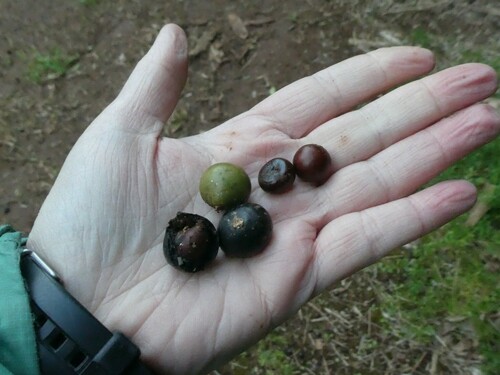
Sabal bermudana L.H.Bailey
Bermuda palmetto; Bermuda palm; Palmetto
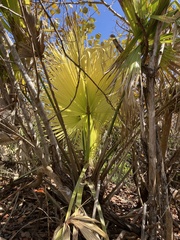
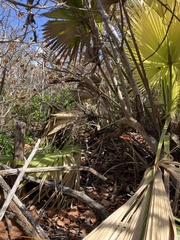
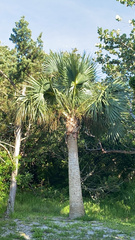
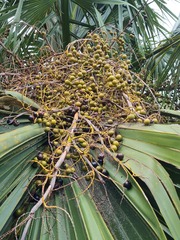

 19 photographs ›
Summary
Sabal bermudana, commonly known as the Bermuda palmetto or bibby-tree, is one of 15 species of palm trees in the genus Sabal and is endemic to Bermuda although reportedly naturalized in the Leeward Islands. It was greatly affected by the introduction of non-native plants such as the Chinese fan palm, which created competition for space that it usually lost.
Quoted from Wikipedia, "Sabal bermudana", CC BY-SA 4.0.
About the genus · Sabal
Sabal is a genus of New World palms. Currently, there are 17 recognized species of Sabal, including one hybrid species.
Quoted from Wikipedia, "Sabal", CC BY-SA 4.0.
Cultivation
Climate across the habitat
Natural habitat
How this section is made
Photographs

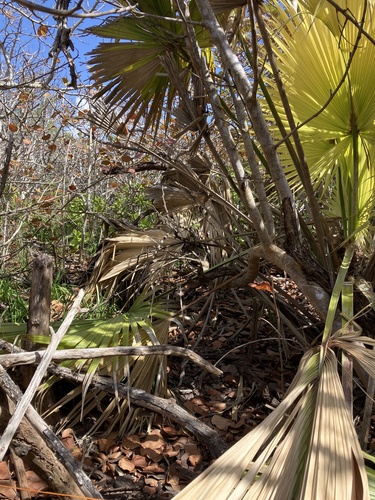

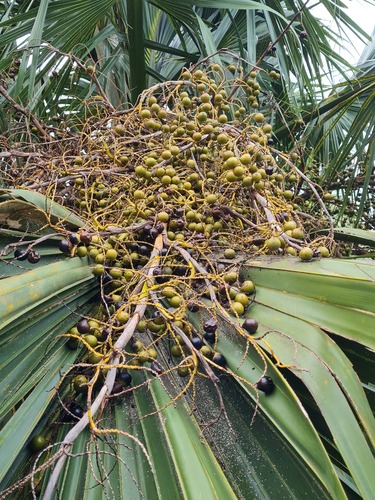
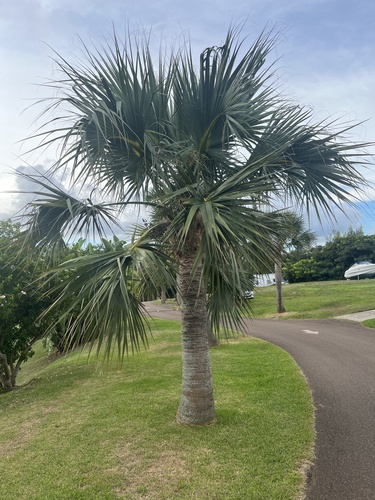

Photographs: author not stated, no rights reserved · CC0 (2); (c) nebrooks, some rights reserved (CC BY); (c) Alison Copeland, some rights reserved (CC BY) (2); (c) Thomas Irvine, some rights reserved (CC BY).
Related
Other Sabal 13 in the reference
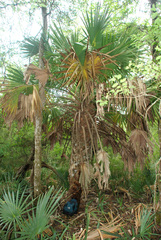 Sabal × brazoriensis Arecaceae Photo: CC BY-SA, Douglas Goldman
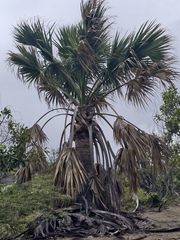 Sabal causiarum Puerto Rican hat palm Photo: CC BY, fmunoz
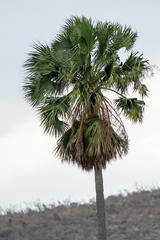 Sabal domingensis Hispaniola palmetto Photo: CC BY, Anthony Batista
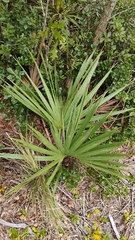 Sabal etonia Scrub palmetto Photo: CC0, author not stated
 Sabal maritima Bull thatch Photo: CC0, author not stated
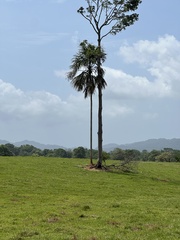 Sabal mauritiiformis Trinidad palm Photo: CC BY, Nicolás Baresch Uribe
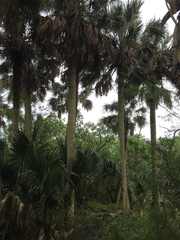 Sabal mexicana Rio Grande palmetto Photo: CC0, author not stated
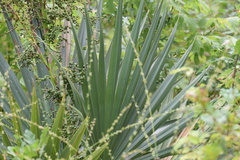 Sabal minor Dwarf palmetto Photo: CC BY, Blake Bringhurst
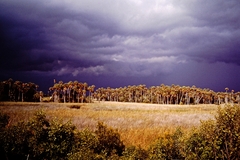 Sabal palmetto Cabbage palm Photo: CC BY, William J. Deml
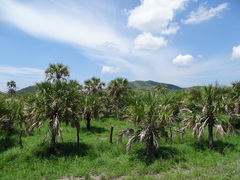 Sabal pumos Royal palmetto Photo: CC BY, Alexis López Hernández
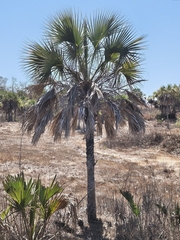 Sabal rosei Arecaceae Photo: CC BY, Gustavo ZaRo
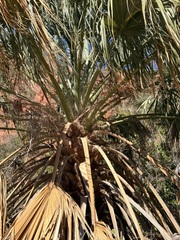 Sabal uresana Sonoran Palmetto Photo: CC BY, Sue Carnahan all 14 ›
Names & registers
Also known as Inodes blackburnia; Inodes princeps; Sabal beccariana; Sabal blackburnia; Sabal princeps and 1 more. (GBIF Backbone)
The record
Every figure here is derived from public data by a stated rule and names its source; nothing about this species is written for its page by a person or by AI, apart from the marked, credited quotations. How →
Where this page came from built 2026-10-22
gbif.species answeredasked 2026-10-22gbif.synonyms answeredasked 2026-10-22gbif.vernacular answeredasked 2026-10-22names fetched 2026-10-22wcvp.distribution answeredas of 2026-06-04gbif.occurrences answeredas of 2026-10-21GBIF occurrence download https://doi.org/10.15468/dl.hbdw64, of 2026-10-21; 22 records within 1 km of a botanic garden, herbarium or zoo left out (20 at a botanic garden or arboretum, 2 at a zoo; Wikidata's list)climate nothing to reportasked 2026-10-22only 1 distinct land cell of the climate grid holds an in-range record placed to within 10 km; three are needed for an envelopewikidata answeredasked 2026-10-22wikipedia answeredasked 2026-10-22inat.photos.wild answeredasked 2026-10-22from iNaturalist's open data of 2026-09-27: research-grade observations with an open-licence photograph, the 24 whose photographs iNaturalist received last (the open data holds no votes); filled 2026-10-22inat.photos.cultivated not askedgbif.media answeredasked 2026-10-22none of the photographs on this page is credited to GBIF: those shown are other sources', and GBIF's were the same photographs or were set aside by the photograph rulescommons answeredasked 2026-10-22openalex not askednot yet asked for this reference; a later fill takes the papers from OpenAlex's snapshotEvery source is recorded as having answered, reported nothing, refused, failed, not been asked, or answered twice where one answer is taken (“not taken: two items answered”), and, for a source asked when this page was built, when: the figures are as the source held them that day; a source read from a file (Kew's World Checklist, a GBIF download) says "as of" the file's day instead; a row carried from an earlier build of the page names that build instead. Only “nothing to report” is ever shown as an absence. Records came from 9 datasets via GBIF.org; each carries its own licence.