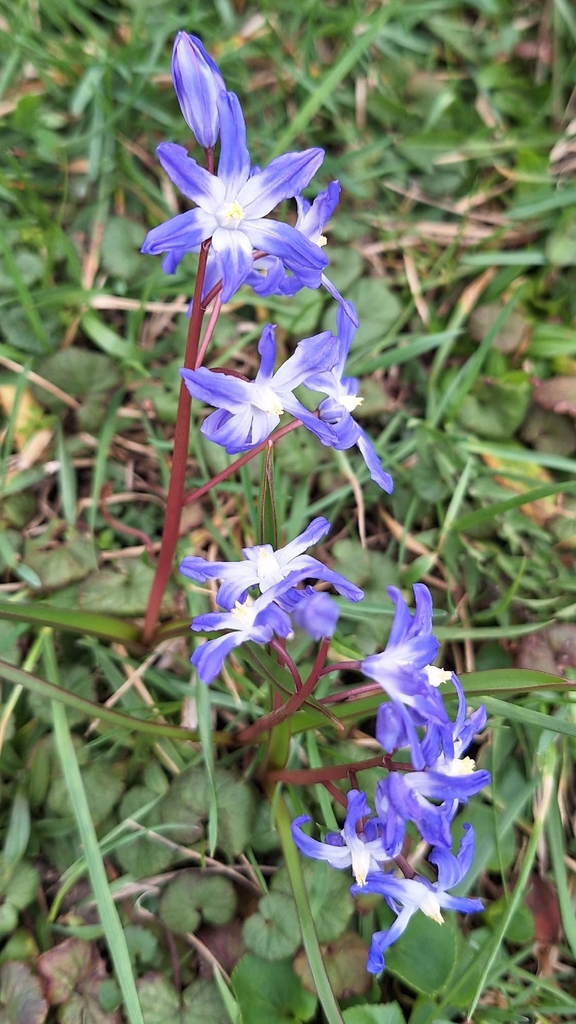
Scilla forbesii (Baker) Speta
Asian spring bulb, Forbes' glory-of-the-snow, Forbes' squill, Glory-Of-The-Snow
Every figure on this page is derived from public data by a stated rule and says its source; nothing here is written by a person or a model, except the Wikipedia passage, which is quoted and marked as such. How it is made.
Summary
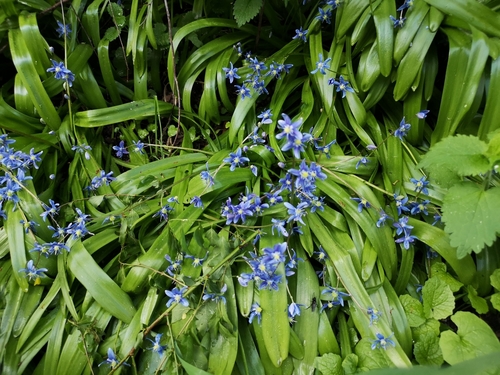
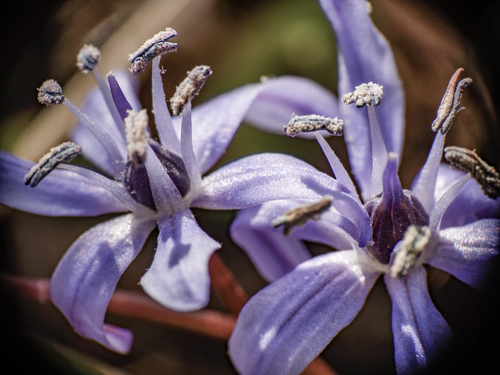
Scilla forbesii, known as Forbes' glory-of-the-snow, is a bulbous perennial plant from west Turkey flowering in early spring. It is considered synonymous with Scilla siehei, known as Siehe's glory-of-the-snow, by some sources, although others distinguish them. It belongs to a group of Scilla species that were formerly put in a separate genus, Chionodoxa, and may now be treated as Scilla sect. Chionodoxa. After flowering, it goes into dormancy until the next spring. More on Wikipedia ›
The opening of Wikipedia, “Scilla forbesii”, CC BY-SA 4.0, quoted as written. Kept separate from everything derived here.
About the genus · Scilla
Scilla is a genus of about 30 to 80 species of bulb-forming perennial herbaceous plants in the family Asparagaceae, subfamily Scilloideae. Sometimes called the squills in English, they are native to woodlands, subalpine meadows, and seashores throughout Europe, Africa and the Middle East. A few species are also naturalized in Australasia and North America. More on Wikipedia ›
The opening of Wikipedia, “Scilla”, CC BY-SA 4.0, quoted as written.
Also known as Chionodoxa forbesii Baker; Chionodoxa luciliae var. forbesii (Baker) Drude; Chionodoxa luciliae var. tmolusi (Whittall) M.C.Sedgw. & R.Cameron; Chionodoxa siehei Stapf; Chionodoxa tmolusi Whittall and 2 more.
Cultivation
Climate across the habitat
Natural habitat
Photographs
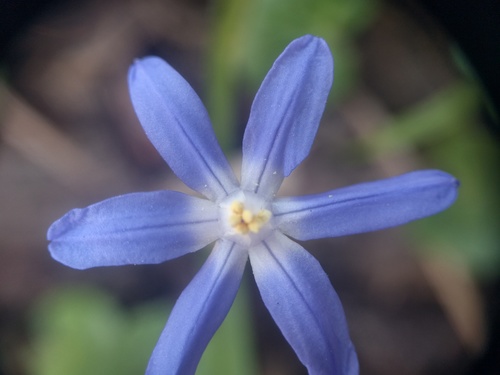
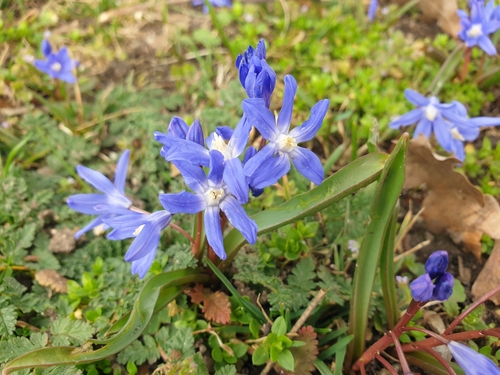
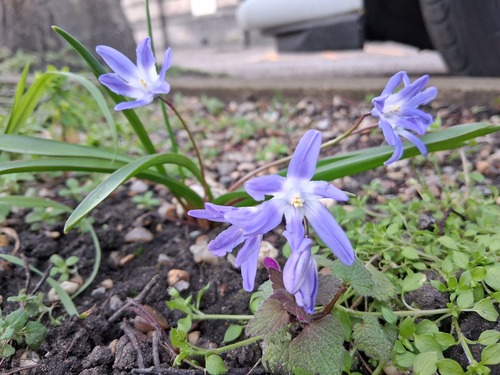
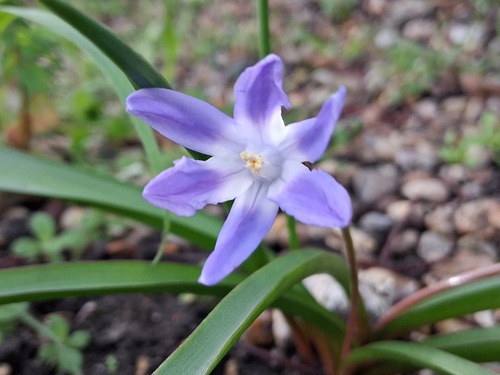
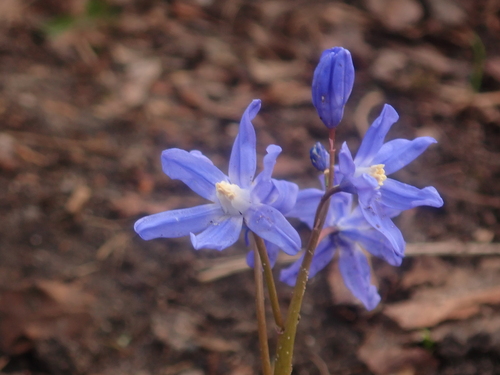
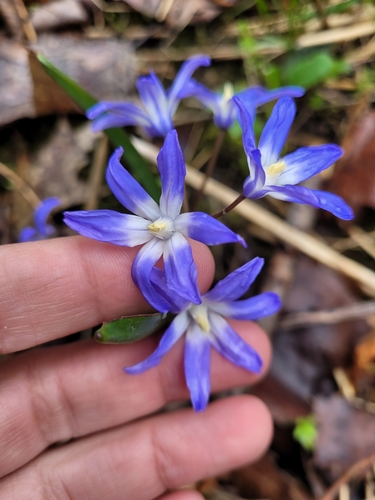
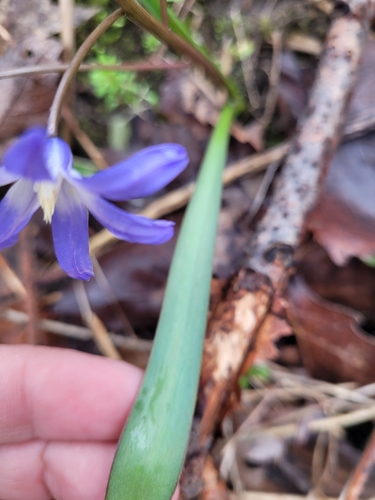
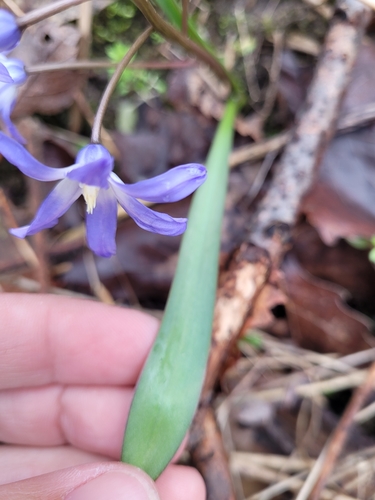
Photographs: (c) Michel Langeveld, some rights reserved (CC BY); (c) Emil Jantke, some rights reserved (CC BY); (c) olmagon, some rights reserved (CC BY) (2); (c) Alexis Tinker-Tsavalas, some rights reserved (CC BY); (c) Rebs Lee, some rights reserved (CC BY) (3).
Photographs: iNaturalist did not answer when this page was built; what is shown came from the sources that did.
Papers naming this species
Works whose title or abstract names Scilla forbesii, most cited first, from OpenAlex (CC0). A mention, not a cultivation source: nothing on this page is drawn from them.
Related
Other Scilla 84 in the reference
 Scilla amoena Star Hyacinth Scilla andria Asparagaceae Scilla antunesii Asparagaceae Scilla arenaria Asparagaceae Scilla arsusiana Asparagaceae Scilla begoniifolia Asparagaceae Scilla benguellensis Asparagaceae
 Scilla bifolia Alpine Squill all 85 ›
History & registers
Where this page came from built 2026-09-20 · dossier v2 · node
gbif.species answeredcarried from build of 2026-09-19 (offline re-derivation; the backbone was not asked)gbif.synonyms answeredcarried from build of 2026-09-19 (offline re-derivation; the backbone was not asked)gbif.vernacular answeredcarried from build of 2026-09-19 (offline re-derivation; the backbone was not asked)wcvp.distribution answeredgbif.occurrences answeredGBIF occurrence download https://doi.org/10.15468/dl.3h4zamclimate nothing to reportwikidata answeredcarried from build of 2026-09-19 (rederive); that build: carried from build of 2026-09-19 (rederive)wikipedia answeredcarried from build of 2026-09-19; this build: skippedinat.taxon not askedinat.photos.wild answeredcarried from build of 2026-09-19; this build: skippedinat.photos.cultivated nothing to reportcarried from build of 2026-09-19 (rederive); that build: carried from build of 2026-09-19 (rederive)commons nothing to reportcarried from build of 2026-09-19 (rederive); that build: carried from build of 2026-09-19 (rederive)gbif.media answeredopenalex answeredcarried from build of 2026-09-19; this build: skippedEvery upstream is recorded as having answered, reported nothing, or refused. Only “nothing to report” is ever shown as an absence. Records came from 50 datasets via GBIF.org; each carries its own licence.