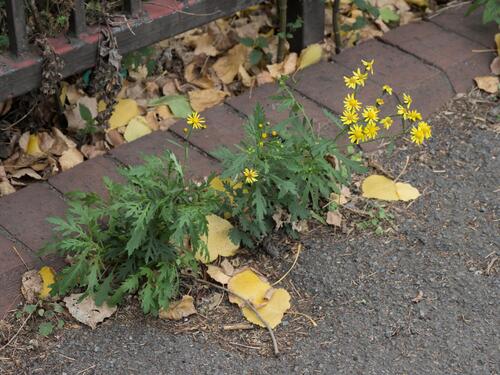
Senecio squalidus L.
Oxford ragwort; Oxford groundsel
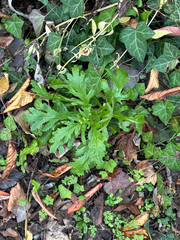
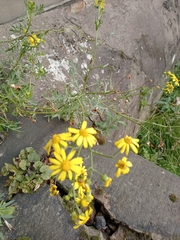
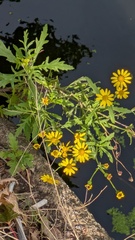
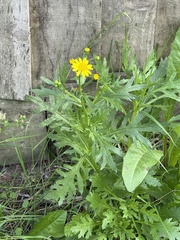
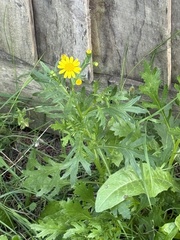
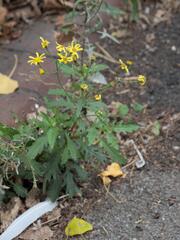 62 photographs ›
Summary
Senecio squalidus, known as Oxford ragwort, is a flowering plant in the daisy family Asteraceae. It is a yellow-flowered herbaceous plant, native to mountainous, rocky or volcanic areas, that has managed to find other homes on man-made and natural piles of rocks, war-ruined neighborhoods and dry-stone walls. These habitats resemble its well drained natural rocky homeland. The plants have spread via the wind, rail and the activities of botanists. More on Wikipedia ›
Quoted from Wikipedia, "Senecio squalidus", CC BY-SA 4.0.
About the genus · Senecio
Senecio is a genus of flowering plants in the daisy family (Asteraceae) that includes groundsels and some ragworts. Variously circumscribed taxonomically, the genus Senecio is one of the largest genera of flowering plants. Plants of the World Online currently accepts 1482 species.
Quoted from Wikipedia, "Senecio", CC BY-SA 4.0.
Cultivation
Climate across the habitat
Natural habitat
Photographs
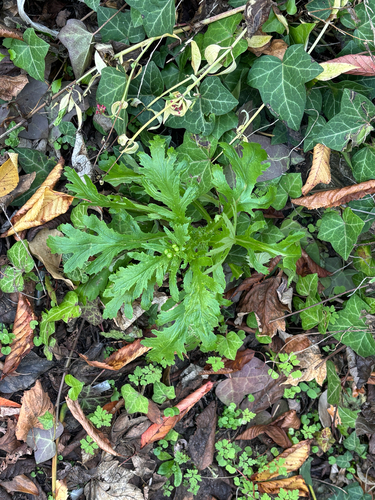
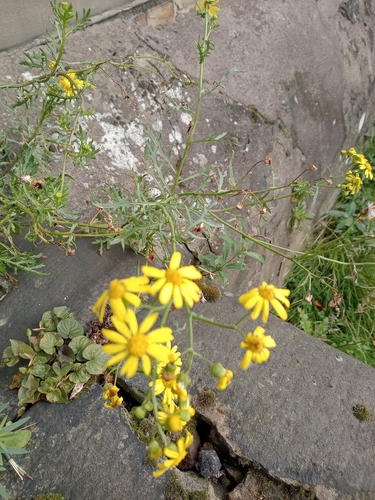
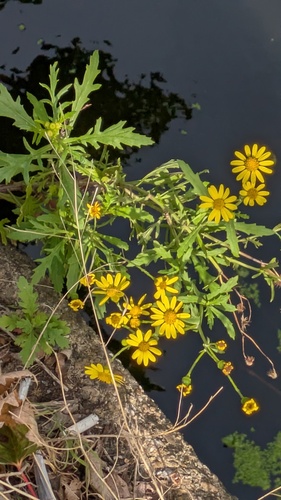
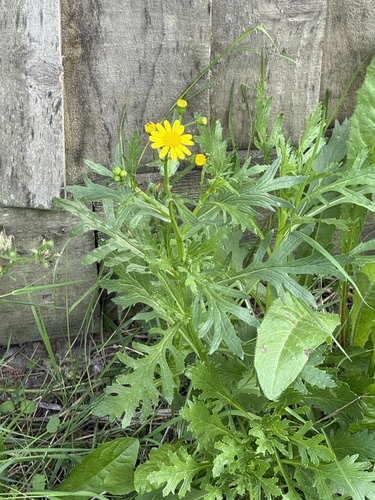
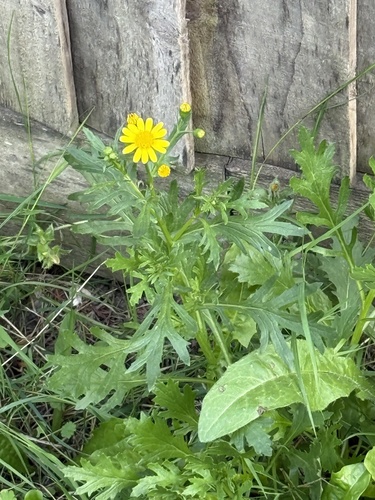
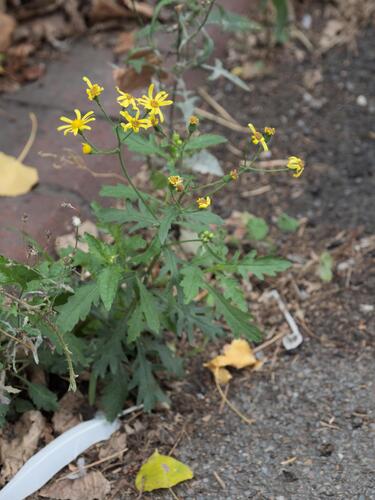
Photographs: (c) Jose Gutierrez Higa, some rights reserved (CC BY); author not stated, no rights reserved · CC0 (3); (c) guywallbanks, some rights reserved (CC BY); (c) Daniel Cahen, some rights reserved (CC BY).
Related
Other Senecio 118 in the reference
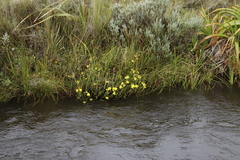 Senecio achilleifolius Redstem Ragwort Photo: CC BY-SA, Tony Rebelo
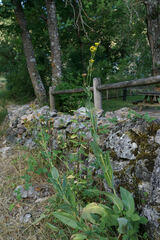 Senecio altissimus Asteraceae Photo: CC BY, Connor Connolly-Moyls
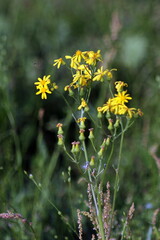 Senecio ampullaceus Texas ragwort Photo: CC BY, Holly Bonorden Jentsch
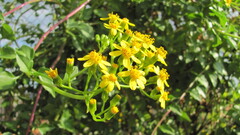 Senecio angulatus Cape ivy Photo: CC BY, zebedeugalinha
 Senecio antandroi Asteraceae Photo: CC BY, Pieter Pelser
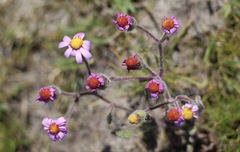 Senecio arenarius Asteraceae Photo: CC BY, Cricket Raspet
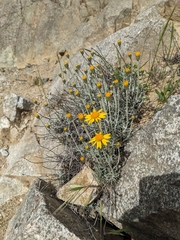 Senecio argyreus Asteraceae Photo: CC BY, Todd Boland
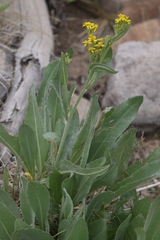 Senecio atratus Tall blacktip ragwort Photo: CC0, author not stated Senecio baccharidifolius Asteraceae Senecio behrianus Asteraceae
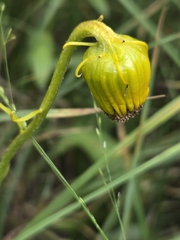 Senecio bigelovii Nodding ragwort Photo: CC0, author not stated
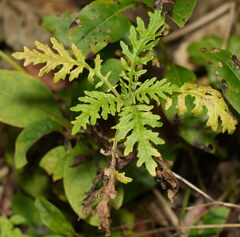 Senecio bipinnatisectus Australian fireweed Photo: CC BY, William Harland all 119 ›
Names & registers
Also known as Cineraria incisa; Senecio squalidus var. squalidus. (GBIF Backbone)
Kew accepts as species of their own Senecio glaber: older names in GBIF's record of this species that Kew's World Checklist accepts as other species. (WCVP, RBG Kew, file of 2026-06-04)
The record
Every figure here is derived from public data by a stated rule and names its source; nothing about this species is written for its page by a person or by AI, apart from the marked, credited quotations. How →
Where this page came from built 2026-10-22
gbif.species answeredasked 2026-10-22gbif.synonyms answeredasked 2026-10-22gbif.vernacular answeredasked 2026-10-22names fetched 2026-10-22wcvp.distribution answeredas of 2026-06-04Kew's entry lists no native region, only 11 where it is introducedgbif.occurrences answeredas of 2026-10-21GBIF occurrence download https://doi.org/10.15468/dl.hbdw64, of 2026-10-21; 32 records within 1 km of a botanic garden, herbarium or zoo left out (16 at a botanic garden or arboretum, 2 at a herbarium, 14 at a zoo; Wikidata's list)climate nothing to reportasked 2026-10-22native range not verified: no WCVP distribution with native status for this name, so records cannot be told from cultivation and no habitat climate is derivedwikidata answeredasked 2026-10-22wikipedia answeredasked 2026-10-22inat.photos.wild answeredasked 2026-10-22from iNaturalist's open data of 2026-09-27: research-grade observations with an open-licence photograph, the 24 whose photographs iNaturalist received last (the open data holds no votes); filled 2026-10-22inat.photos.cultivated not askedgbif.media answeredasked 2026-10-22openalex not askednot yet asked for this reference; a later fill takes the papers from OpenAlex's snapshotEvery source is recorded as having answered, reported nothing, refused, failed, not been asked, or answered twice where one answer is taken (“not taken: two items answered”), and, for a source asked when this page was built, when: the figures are as the source held them that day; a source read from a file (Kew's World Checklist, a GBIF download) says "as of" the file's day instead; a row carried from an earlier build of the page names that build instead. Only “nothing to report” is ever shown as an absence. Records came from 59 datasets via GBIF.org; each carries its own licence.