


 6 photographs ›
Summary
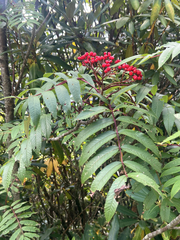
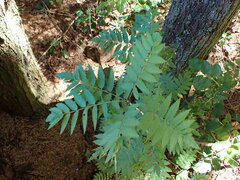
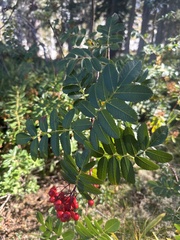
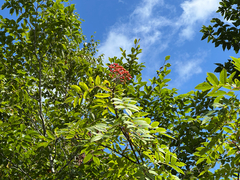
Sorbus reducta , the dwarf Chinese mountain ash, is a species of flowering plant in the family Rosaceae, native to western China (South West Sichuan and North West Yunnan). Growing to 1.5 m (5 ft) tall by 2 m (7 ft) wide, it is a dense deciduous spreading shrub. Each leaf, 10 cm (4 in) long, has up to 15 leaflets which turn to brilliant shades of red in the autumn (fall). White flowers in spring are followed by red or pink, and then white berries in autumn.
Quoted from Wikipedia, "Sorbus reducta", CC BY-SA 4.0.
About the genus · Sorbus
Sorbus is a genus of over 100 species of trees and shrubs in the rose family, Rosaceae. Species of Sorbus (s.str.) are commonly known as rowan or mountain-ash. The genus used to include species commonly known as whitebeam, chequer tree and service tree that are now classified in other genera. More on Wikipedia ›
Quoted from Wikipedia, "Sorbus", CC BY-SA 4.0.
Cultivation
Climate across the habitat
Natural habitat
How this section is made
Photographs


Photographs: Ruff tuff cream puff, CC0, via Wikimedia Commons; Krzysztof Golik, CC BY-SA 4.0, via Wikimedia Commons (4).
Related
Other Sorbus 56 in the reference
 Sorbus americana American mountain-ash Photo: CC0, author not stated
 Sorbus aucuparia Rowan Photo: CC BY, Chris Fluit Sorbus bissetii Rosaceae
 Sorbus californica California mountain-ash Photo: CC BY, Dena
 Sorbus cashmiriana Kashmir Rowan Photo: CC BY-SA, Acabashi
 Sorbus commixta Japanese rowan Photo: CC BY, Yoshihiro Tokue
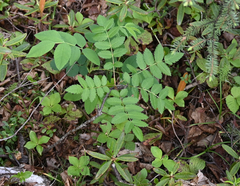 Sorbus decora Northern mountain-ash Photo: CC BY, Eric Lamb
 Sorbus discolor Rosaceae Photo: CC BY-SA, Salicyna
 Sorbus eburnea Rosaceae Photo: CC BY-SA, Krzysztof Ziarnek, Kenraiz Sorbus fansipanensis Rosaceae
 Sorbus filipes Rosaceae Photo: CC BY-SA, Averater Sorbus foliolosa Rosaceae all 57 ›
Names & registers
Also known as Pyrus reducta. (GBIF Backbone)
The record
Every figure here is derived from public data by a stated rule and names its source; nothing about this species is written for its page by a person or by AI, apart from the marked, credited quotations. How →
Where this page came from built 2026-10-22
gbif.species answeredasked 2026-10-22gbif.synonyms answeredasked 2026-10-22gbif.vernacular answeredasked 2026-10-22names fetched 2026-10-22wcvp.distribution answeredas of 2026-06-04gbif.occurrences answeredas of 2026-10-21GBIF occurrence download https://doi.org/10.15468/dl.hbdw64, of 2026-10-21climate nothing to reportasked 2026-10-2219 in-range records, none placed to within 10 kmwikidata answeredasked 2026-10-22wikipedia answeredasked 2026-10-22inat.photos.wild nothing to reportasked 2026-10-22from iNaturalist's open data of 2026-09-27: research-grade observations with an open-licence photograph, the 24 whose photographs iNaturalist received last (the open data holds no votes); filled 2026-10-22inat.photos.cultivated not askedgbif.media nothing to reportasked 2026-10-22commons answeredasked 2026-10-22openalex not askednot yet asked for this reference; a later fill takes the papers from OpenAlex's snapshotEvery source is recorded as having answered, reported nothing, refused, failed, not been asked, or answered twice where one answer is taken (“not taken: two items answered”), and, for a source asked when this page was built, when: the figures are as the source held them that day; a source read from a file (Kew's World Checklist, a GBIF download) says "as of" the file's day instead; a row carried from an earlier build of the page names that build instead. Only “nothing to report” is ever shown as an absence. Records came from 11 datasets via GBIF.org; each carries its own licence.