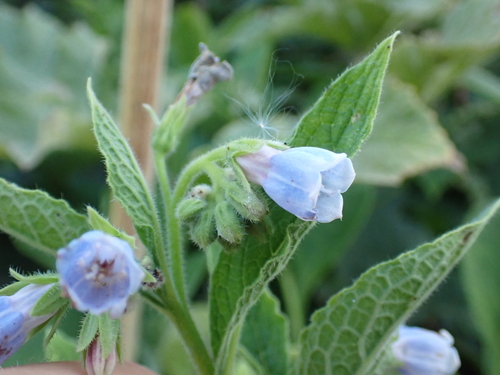
Symphytum × uplandicum Nyman
Russian comfrey; Upland comfrey; Quaker comfrey; Blue comfrey
A hybrid: S. asperum × S. officinale, the parents Kew's World Checklist states for it (WCVP, RBG Kew).
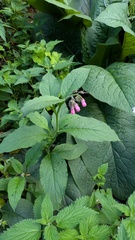
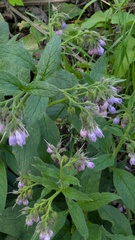
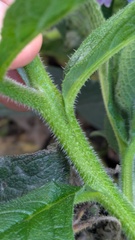
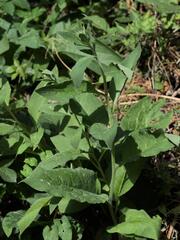
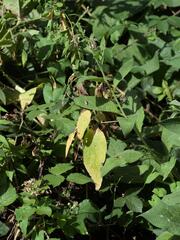
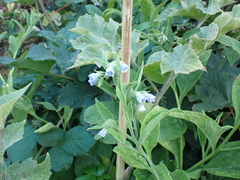 70 photographs ›
Summary
Russian comfrey or Quaker comfrey (Symphytum × uplandicum, syn. S. peregrinum auct.) is a common hybrid between Symphytum officinale and S. asperum. It represents the economically most important kind of comfrey.
Quoted from Wikipedia, "Symphytum × uplandicum", CC BY-SA 4.0.
About the genus · Symphytum
Symphytum is a genus of flowering plants in the borage family, Boraginaceae, known by the common name comfrey.
Quoted from Wikipedia, "Symphytum", CC BY-SA 4.0.
Cultivation
Climate across the habitat
Natural habitat
Photographs
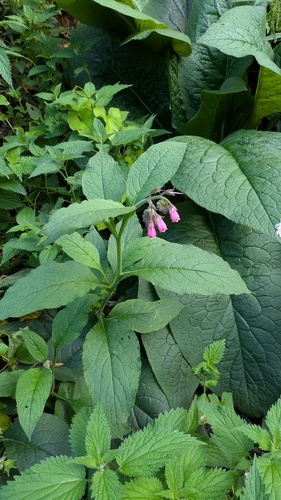
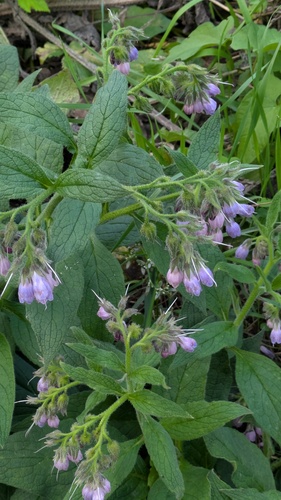
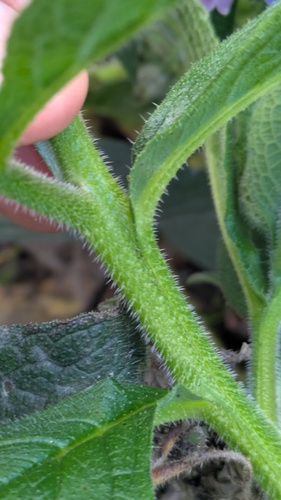
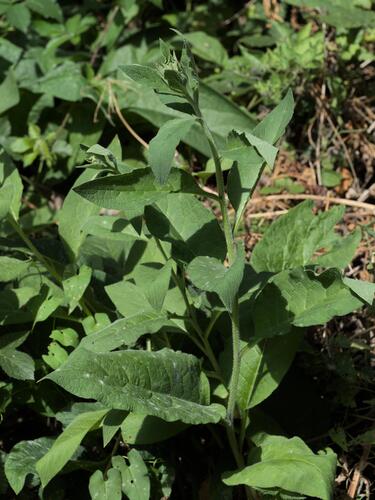
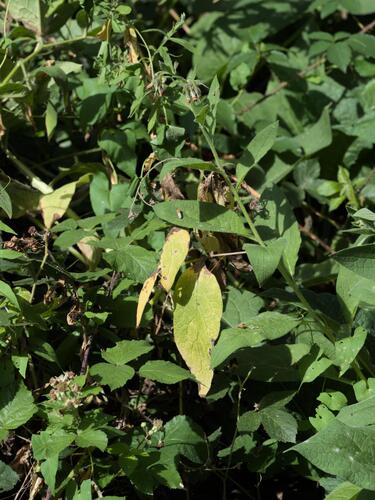
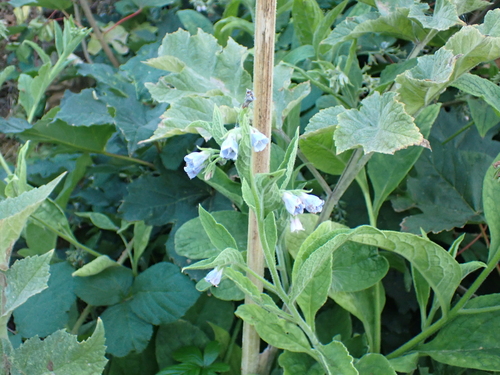
Photographs: (c) guywallbanks, some rights reserved (CC BY) (3); (c) Daniel Cahen, some rights reserved (CC BY) (2); (c) Henry Miller, some rights reserved (CC BY).
Related
Other Symphytum 9 in the reference
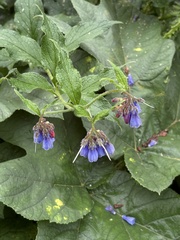 Symphytum asperum Prickly comfrey Photo: CC BY, Екатерина Кравцова
 Symphytum bulbosum Bulbous Comfrey Photo: CC BY-SA, Andrea Mologni
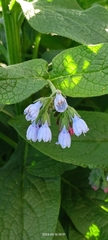 Symphytum caucasicum Caucasian comfrey Photo: CC0, author not stated
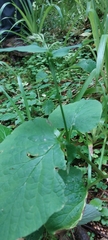 Symphytum cordatum Boraginaceae Photo: CC BY, Алла Козурак
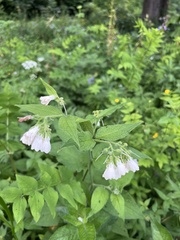 Symphytum grandiflorum Creeping comfrey Photo: CC BY, Наталья Пикалова
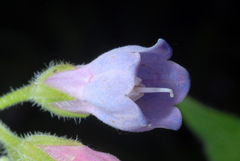 Symphytum officinale Common comfrey Photo: CC BY-SA, Douglas Goldman
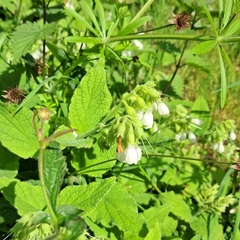 Symphytum orientale White comfrey Photo: CC0, author not stated
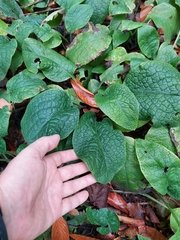 Symphytum tauricum Crimean Comfrey Photo: CC BY, Viktor Strenada
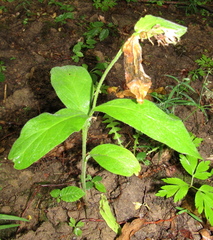 Symphytum tuberosum Tuberous comfrey Photo: CC BY, Oleksandr Shynder
Names & registers
Also known as Symphytum xperegrinum; Symphytum xuplandicum. (GBIF Backbone)
Under another author Symphytum asperum x officinale and Symphytum asperum × officinale is an older name of this species, not Symphytum asperum, a species of the reference. (GBIF Backbone)
The record
Every figure here is derived from public data by a stated rule and names its source; nothing about this species is written for its page by a person or by AI, apart from the marked, credited quotations. How →
Where this page came from built 2026-10-22
gbif.species answeredasked 2026-10-22gbif.synonyms answeredasked 2026-10-22gbif.vernacular answeredasked 2026-10-22names fetched 2026-10-22wcvp.distribution answeredas of 2026-06-04gbif.occurrences answeredas of 2026-10-21GBIF occurrence download https://doi.org/10.15468/dl.hbdw64, of 2026-10-21; 38 records within 1 km of a botanic garden, herbarium or zoo left out (32 at a botanic garden or arboretum, 1 at a herbarium, 5 at a zoo; Wikidata's list)climate nothing to reportasked 2026-10-22no georeferenced record inside the rangewikidata answeredasked 2026-10-22wikipedia answeredasked 2026-10-22inat.photos.wild answeredasked 2026-10-22from iNaturalist's open data of 2026-09-27: research-grade observations with an open-licence photograph, the 24 whose photographs iNaturalist received last (the open data holds no votes); filled 2026-10-22inat.photos.cultivated not askedgbif.media answeredasked 2026-10-22openalex not askednot yet asked for this reference; a later fill takes the papers from OpenAlex's snapshotEvery source is recorded as having answered, reported nothing, refused, failed, not been asked, or answered twice where one answer is taken (“not taken: two items answered”), and, for a source asked when this page was built, when: the figures are as the source held them that day; a source read from a file (Kew's World Checklist, a GBIF download) says "as of" the file's day instead; a row carried from an earlier build of the page names that build instead. Only “nothing to report” is ever shown as an absence. Records came from 93 datasets via GBIF.org; each carries its own licence.