


 5 photographs ›
Summary
Valeriana phu, the golden spikenard, is a species of flowering plant in the family Caprifoliaceae, native to northern Turkey. A rhizomatous geophytic perennial reaching 1 to 1.5 m (3 to 5 ft), it has a cultivar, 'Aurea', that is widely available from commercial suppliers.
Quoted from Wikipedia, "Valeriana phu", CC BY-SA 4.0.
About the genus · Valeriana
Valeriana is a genus of flowering plants in the family Caprifoliaceae, members of which may be commonly known as valerians. It contains many species, including the garden valerian, Valeriana officinalis. Valeriana has centers of diversity in Eurasia and South America, and is represented by native species on all continents except Antarctica.
Quoted from Wikipedia, "Valeriana", CC BY-SA 4.0.
Cultivation
Climate across the habitat
Natural habitat
Photographs


Photographs: Rillke, CC BY-SA 3.0, via Wikimedia Commons; C T Johansson, CC BY-SA 3.0, via Wikimedia Commons; Daderot, CC0, via Wikimedia Commons; 阿橋 HQ, CC BY-SA 2.0, via Wikimedia Commons.
Related
Other Valeriana 45 in the reference
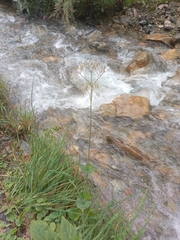 Valeriana alliariifolia Caprifoliaceae Photo: CC BY, Maria Kohanovskaya Valeriana amarella Caprifoliaceae
 Valeriana angustifolia Caprifoliaceae Photo: CC BY-SA, 阿橋 HQ
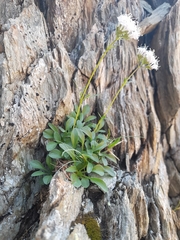 Valeriana apula Caprifoliaceae Photo: CC BY, Flavien Saboureau
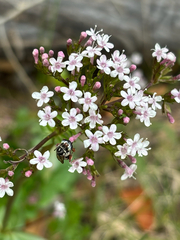 Valeriana arizonica Arizona tobaccoroot Photo: CC0, author not stated Valeriana calcitrapae Caprifoliaceae
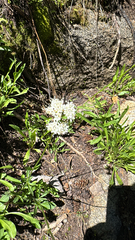 Valeriana californica California valerian Photo: CC0, author not stated Valeriana carinata Caprifoliaceae
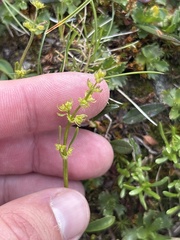 Valeriana celtica Celtic Spikenard Photo: CC BY, Lukas Zangl
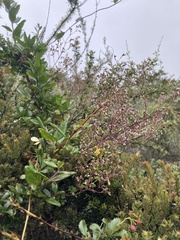 Valeriana clematitis Caprifoliaceae Photo: CC BY-SA, julianazuluaga-carrero Valeriana cornucopiae Caprifoliaceae Valeriana coronata Caprifoliaceae all 46 ›
Names & registers
Also known as Valeriana hortensis; Valeriana laeta; Valeriana laevicaulis; Valeriana officinalis var. uliginosa; Valeriana phu var. major and 1 more. (GBIF Backbone)
The record
Every figure here is derived from public data by a stated rule and names its source; nothing about this species is written for its page by a person or by AI, apart from the marked, credited quotations. How →
Where this page came from built 2026-10-22
gbif.species answeredasked 2026-10-22gbif.synonyms answeredasked 2026-10-22gbif.vernacular answeredasked 2026-10-22names fetched 2026-10-22wcvp.distribution answeredas of 2026-06-04gbif.occurrences answeredas of 2026-10-21GBIF occurrence download https://doi.org/10.15468/dl.hbdw64, of 2026-10-21; 6 records within 1 km of a botanic garden, herbarium or zoo left out (6 at a botanic garden or arboretum; Wikidata's list)climate nothing to reportasked 2026-10-22no georeferenced record inside the rangewikidata answeredasked 2026-10-22found by its label; its IPNI identifier 860052-1 is Kew's for Valeriana phu L.wikipedia answeredasked 2026-10-22inat.photos.wild nothing to reportasked 2026-10-22from iNaturalist's open data of 2026-09-27: research-grade observations with an open-licence photograph, the 24 whose photographs iNaturalist received last (the open data holds no votes); filled 2026-10-22inat.photos.cultivated not askedgbif.media nothing to reportasked 2026-10-22commons answeredasked 2026-10-22openalex not askednot yet asked for this reference; a later fill takes the papers from OpenAlex's snapshotEvery source is recorded as having answered, reported nothing, refused, failed, not been asked, or answered twice where one answer is taken (“not taken: two items answered”), and, for a source asked when this page was built, when: the figures are as the source held them that day; a source read from a file (Kew's World Checklist, a GBIF download) says "as of" the file's day instead; a row carried from an earlier build of the page names that build instead. Only “nothing to report” is ever shown as an absence. Records came from 21 datasets via GBIF.org; each carries its own licence.