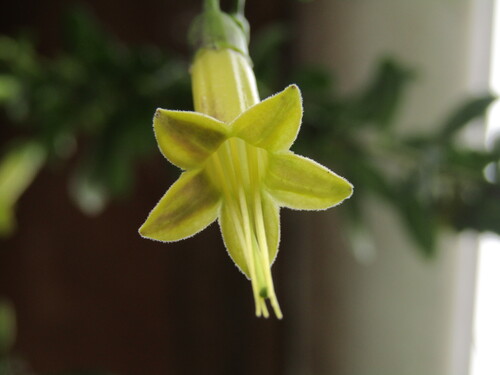
Vestia foetida (Ruiz & Pav.) Hoffmanns.
Huevil; Chilean box thorn; Vestia
Cited as Kew's World Checklist cites it, Vestia foetida (Ruiz & Pav.) Hoffmanns.: GBIF's backbone key for this page carries the name with another author, Hoffmanns.
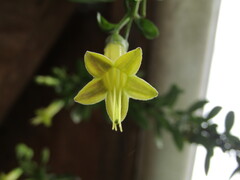
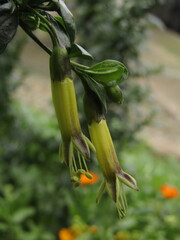
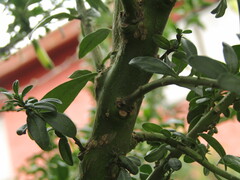
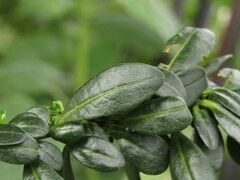
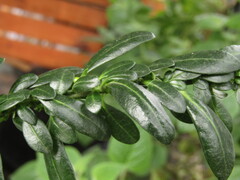 67 photographs ›
Summary
Vestia is a monotypic genus of flowering plants in the family Solanaceae containing the single species Vestia foetida (syn. V. lycioides). Its principal common names in the Mapudungun language of its native Chile are Huevil (pron. "wayfil" and sometimes redoubled Huevilhuevil) and Chuplín. Other Chilean names include Chuplí, Echuelcún and Palqui (negro) (this last being also applied to Cestrum parqui), while an English common name Chilean box thorn has also been coined recently in reference to a certain similarity of the plant to some species in the box thorn / wolfberry genus Lycium (as referenced also in the former specific name lycioides, meaning "Lycium-like"). Vestia foetida is endemic to central and southern Chile, being found in an area stretching from the Valparaíso Region in the north to Chiloé Island (in the Los Lagos Region) in the south. More on Wikipedia ›
Quoted from Wikipedia, "Vestia foetida", CC BY-SA 4.0.
Cultivation
Climate across the habitat
Natural habitat
How this section is made
Photographs
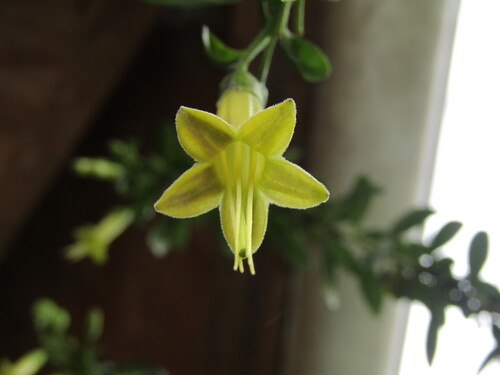
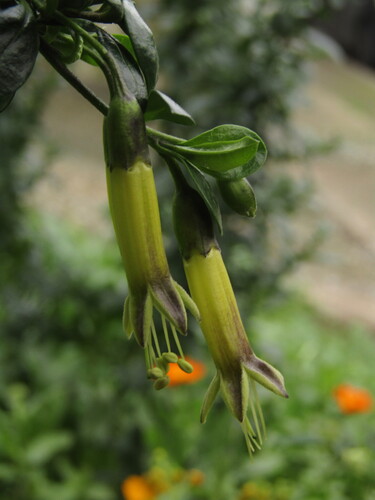
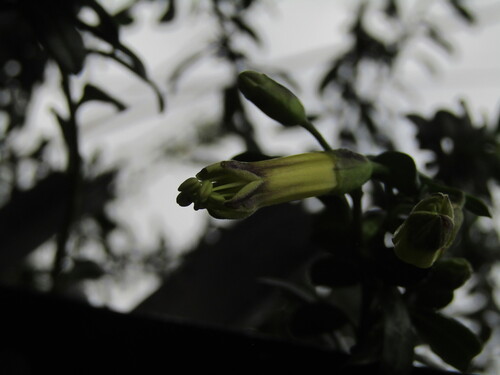
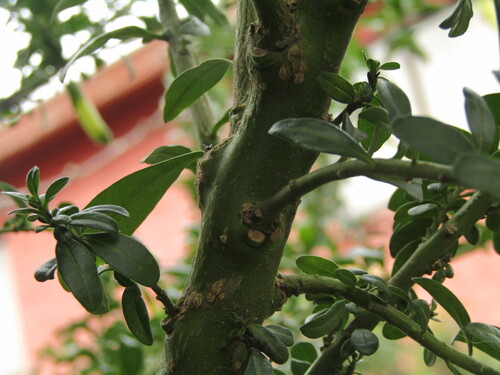
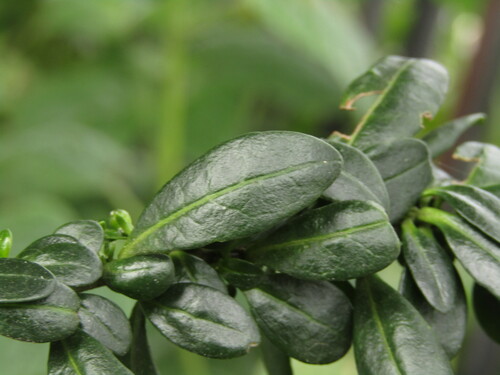
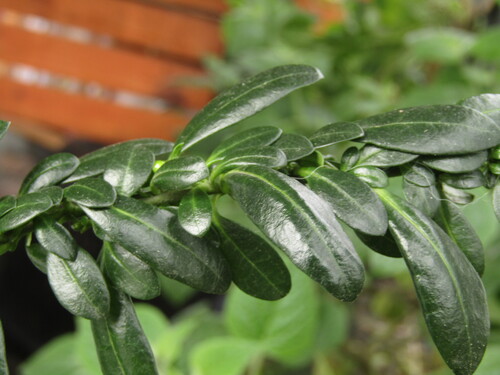
Photographs: (c) Bruno Avilez, some rights reserved (CC BY) (6).
Names & registers
Also known as Cantua foetida; Cantua ligustrifolia; Cestrum vespertinum; Levana uniflora; Periphragmos foetidus and 1 more. (GBIF Backbone)
The record
Every figure here is derived from public data by a stated rule and names its source; nothing about this species is written for its page by a person or by AI, apart from the marked, credited quotations. How →
Where this page came from built 2026-10-22
gbif.species answeredasked 2026-10-22GBIF's key 5581284 is Vestia foetida Hoffmanns.; the page links Kew's Vestia foetida (Ruiz & Pav.) Hoffmanns., and the name is cited as Kew cites itgbif.synonyms answeredasked 2026-10-22gbif.vernacular answeredasked 2026-10-22names fetched 2026-10-22wcvp.distribution answeredas of 2026-06-04gbif.occurrences answeredas of 2026-10-21GBIF occurrence download https://doi.org/10.15468/dl.hbdw64, of 2026-10-21; 5 records within 1 km of a botanic garden, herbarium or zoo left out (3 at a botanic garden or arboretum, 2 at a herbarium; Wikidata's list)climate nothing to reportasked 2026-10-22only 1 distinct land cell of the climate grid holds an in-range record placed to within 10 km; three are needed for an envelopewikidata answeredasked 2026-10-22wikipedia answeredasked 2026-10-22inat.photos.wild answeredasked 2026-10-22from iNaturalist's open data of 2026-09-27: research-grade observations with an open-licence photograph, the 24 whose photographs iNaturalist received last (the open data holds no votes); filled 2026-10-22inat.photos.cultivated not askedgbif.media answeredasked 2026-10-22none of the photographs on this page is credited to GBIF: those shown are other sources', and GBIF's were the same photographs or were set aside by the photograph rulesopenalex not askednot yet asked for this reference; a later fill takes the papers from OpenAlex's snapshotEvery source is recorded as having answered, reported nothing, refused, failed, not been asked, or answered twice where one answer is taken (“not taken: two items answered”), and, for a source asked when this page was built, when: the figures are as the source held them that day; a source read from a file (Kew's World Checklist, a GBIF download) says "as of" the file's day instead; a row carried from an earlier build of the page names that build instead. Only “nothing to report” is ever shown as an absence. Records came from 16 datasets via GBIF.org; each carries its own licence.