Caprifoliaceae
273 species in 28 genera · 246 with a habitat climate · 230 grown, per iNaturalist, 43 not counted
Most native to: Italy 57Yugoslavia 55China South-Central 54France 52Greece 46Spain 46Albania 45Turkey 44North Caucasus 42Transcaucasus 42China Southeast 41Bulgaria 38
A species counts in every region it is native to. Native ranges: Kew's World Checklist of Vascular Plants (Govaerts et al., CC BY 4.0), file of 4 June 2026.
273 species
Caprifoliaceae
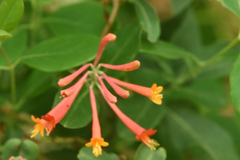 Lonicera sempervirens Trumpet honeysuckle Photo: CC BY, Guy Babineau
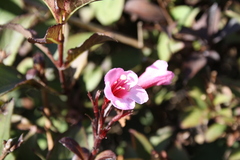 Weigela florida Weigelia Photo: CC BY, AnimalObserverDeniz321
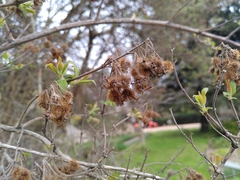 Kolkwitzia amabilis Beautybush Photo: CC BY, Yves Bas
 Symphoricarpos albus Common Snowberry Photo: CC0, Älven
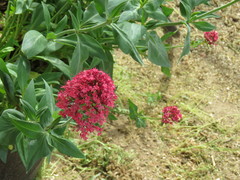 Valeriana rubra Red valerian Photo: CC BY, Rhonda L Broussard
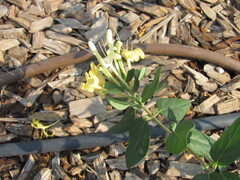 Lonicera japonica Japanese honeysuckle Photo: CC BY, zebedeugalinha
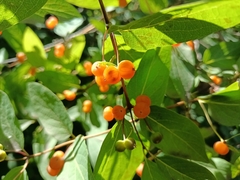 Lonicera tatarica Tartarian honeysuckle Photo: CC BY, captainclover
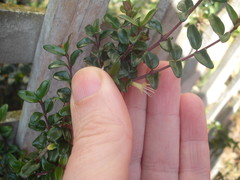 Lonicera ligustrina Boxleaf Honeysuckle Photo: CC BY, Stephen Thorpe
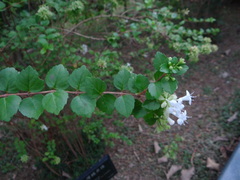 Abelia chinensis Chinese abelia Photo: CC BY, 呂一起(Lyu yi-chi)
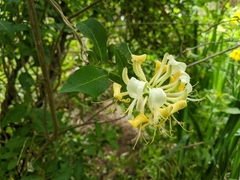 Lonicera periclymenum European honeysuckle Photo: CC BY, Victor Heng
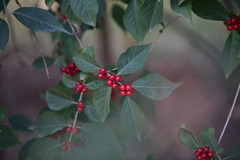 Lonicera maackii Amur honeysuckle Photo: CC BY, Yi CHEN
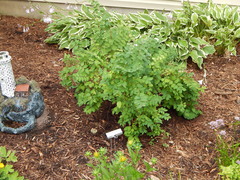 Symphoricarpos orbiculatus Coralberry Photo: CC0, Tom Lazar
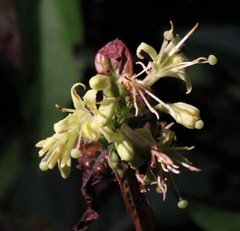 Diervilla lonicera Northern bush-honeysuckle Photo: CC BY, Michael, Antoni and Nihat Hinczewski
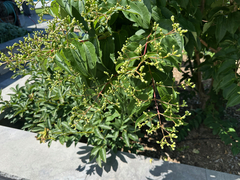 Heptacodium miconioides Seven Sons Tree Photo: CC0, Daryl Nolan
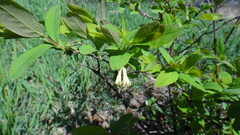 Lonicera caerulea Blue honeysuckle Photo: CC0, Sashko
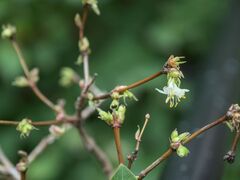 Lonicera fragrantissima Sweet breath of spring Photo: CC BY, Daniel Cahen
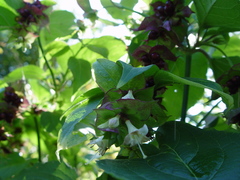 Leycesteria formosa Himalayan honeysuckle Photo: CC BY-SA, Grzegorz Grzejszczak
Scabiosa atropurpurea Sweet scabious Photo: CC BY-SA, Colin Meurk
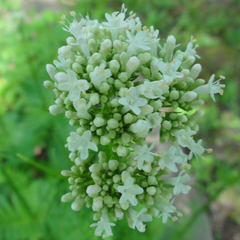 Valeriana officinalis Common valerian Photo: CC BY, Randy A Nonenmacher
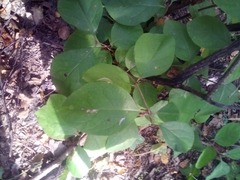 Lonicera caprifolium Perfoliate honeysuckle Photo: CC0, Анна Анисимова
 Lonicera involucrata Bearberry honeysuckle Photo: CC BY, Marina E.
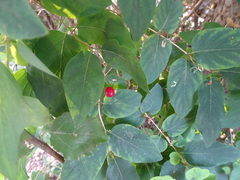 Lonicera xylosteum Fly honeysuckle Photo: CC BY-SA, Grzegorz Grzejszczak
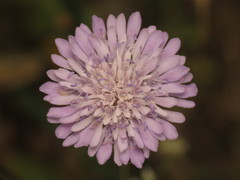 Knautia arvensis Field scabious Photo: CC BY, Donald Hobern
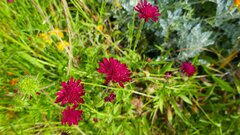 Knautia macedonica Macedonian scabious Photo: CC0, Patrick Le Mao
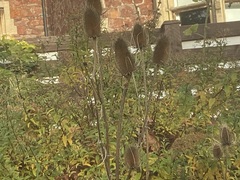 Dipsacus fullonum Common teasel Photo: CC BY, krickard0505
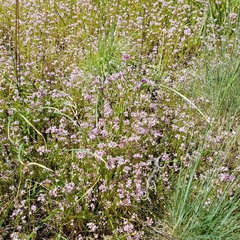 Valeriana congesta Rosy plectritis Photo: CC0, Ellen Watrous
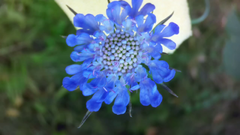 Scabiosa columbaria Small scabious Photo: CC BY, Carlos Muñoz-Amezcua
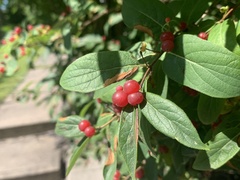 Lonicera morrowii Morrow's honeysuckle Photo: CC BY, Sophia Bowes
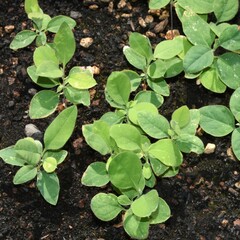 Lonicera ciliosa Photo: CC BY, Gabriel Campbell-Martinez
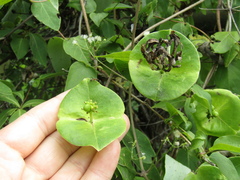 Lonicera reticulata Grape honeysuckle Photo: CC BY, Oleksandr Shynder
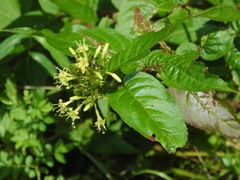 Diervilla sessilifolia Bush-honeysuckle Photo: CC BY, Michael J. Papay
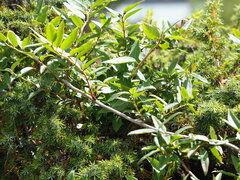 Lonicera acuminata Fragrant Grove Honeysuckle Photo: CC0, 葉子
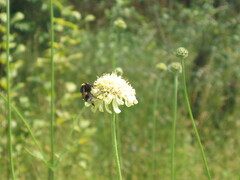 Cephalaria gigantea Giant scabious Photo: CC BY, zebedeugalinha
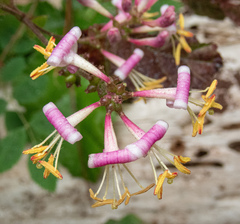 Lonicera hispidula Photo: CC BY, Don Loarie
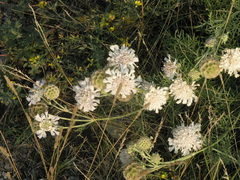 Scabiosa ochroleuca Cream pincushions Photo: CC BY, Oleg Kosterin
 Weigela floribunda Photo: CC BY, Marco Mussita
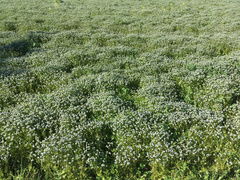 Valeriana locusta Photo: CC BY, Jon Sullivan
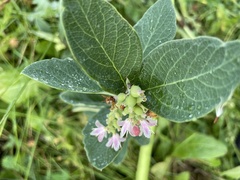 Symphoricarpos occidentalis Wolfberry Photo: CC0, dregyn
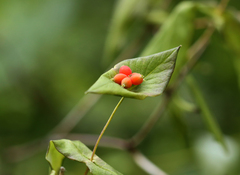 Lonicera dioica Limber honeysuckle Photo: CC BY, Christine Young
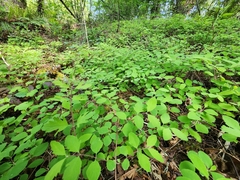 Symphoricarpos mollis Spreading snowberry Photo: CC BY, Jeffrey Lee (he/him/his)
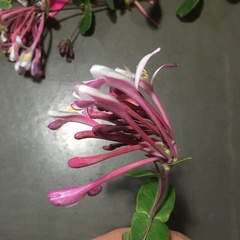 Lonicera implexa Minorca honeysuckle Photo: CC BY, Luis Parravicini
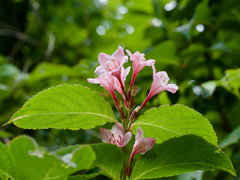 Weigela hortensis Garden weigela Photo: CC BY, りなべる
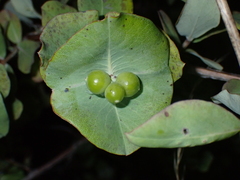 Lonicera albiflora White honeysuckle Photo: CC BY, Bao Pham
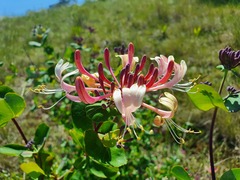 Lonicera etrusca Etruscan honeysuckle Photo: CC BY-SA, João Valença
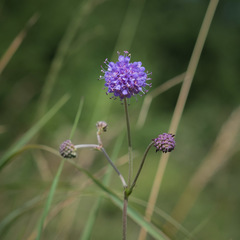 Succisa pratensis Devil's-bit Photo: CC BY, M. Squire
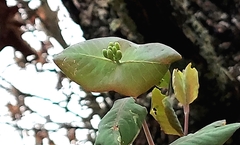 Lonicera flava Yellow honeysuckle Photo: CC BY, florawhite
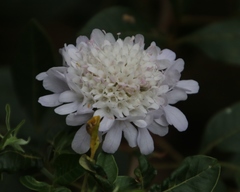 Scabiosa africana Cape scabious Photo: CC BY-SA, Tony Rebelo
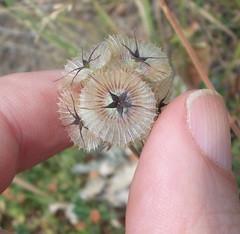 Lomelosia stellata Photo: CC BY, Stephen Thorpe
Grown: iNaturalist's observations of the species marked captive or cultivated; "not counted" where the species list does not count it. Native ranges: Kew's World Checklist of Vascular Plants (Govaerts et al., CC BY 4.0), file of 4 June 2026. Grown: iNaturalist's observations marked captive or cultivated, counted 17 October 2026 (the species list's count). Habitat climate known: the species page has a habitat climate, read from CHELSA's monthly climate and NASA POWER's daily extremes at its well-placed wild records inside Kew's native range; each page says its own sources and days. Record low: the lowest night in NASA POWER's daily series at the habitat's typical spot, as the species page gives it, held in °C to a tenth and shown in your units; each page says its own years and day read. Counts as the reference built on 19 November 2026 holds them. The CSV holds every result, not only this page's.