Haemodoraceae
18 species in 7 genera · 17 with a habitat climate · 17 grown, per iNaturalist, 1 not counted
Most native to: Western Australia 14Cape Provinces 2Cuba 2Alabama 1Belize 1Bolivia 1Brazil North 1Brazil Northeast 1Brazil West-Central 1Colombia 1Connecticut 1Costa Rica 1
A species counts in every region it is native to. Native ranges: Kew's World Checklist of Vascular Plants (Govaerts et al., CC BY 4.0), file of 4 June 2026.
18 species
Haemodoraceae
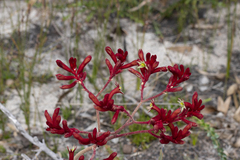 Anigozanthos rufus Red kangaroo-paw Photo: CC BY, Kym Nicolson
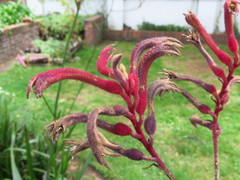 Anigozanthos flavidus Evergreen kangaroo-paw Photo: CC BY, Juan Carlos Caicedo Hernández
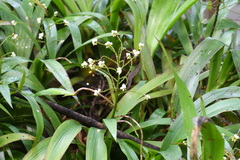 Xiphidium caeruleum Palmita Photo: CC BY, Thorsten Hackbarth
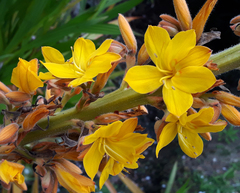 Wachendorfia thyrsiflora Blood root Photo: CC0, Peter de Lange
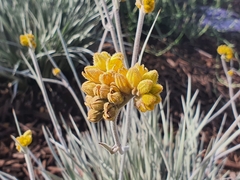 Conostylis candicans Grey cottonhead Photo: CC BY, Lek Khauv
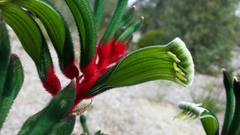 Anigozanthos manglesii Mangles's kangaroo-paw Photo: CC BY, Helium Luo
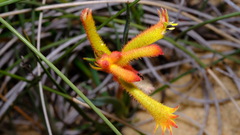 Anigozanthos humilis Cat's-paw Photo: CC BY, Peter Crowcroft
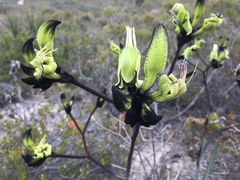 Macropidia fuliginosa Black kangaroo-paw Photo: CC BY, smathichong
 Anigozanthos pulcherrimus Yellow kangaroo-paw Photo: CC BY, Hugo Innes
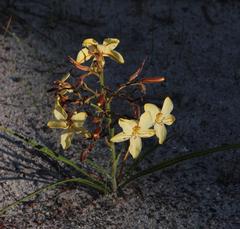 Wachendorfia paniculata Photo: CC BY-SA, Tony Rebelo
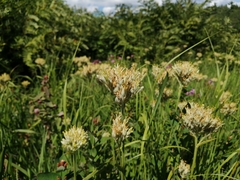 Lachnanthes caroliana Carolina redroot Photo: CC0, agbelliveau
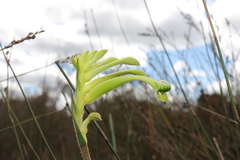 Anigozanthos viridis Green kangaroo-paw Photo: CC BY, Hayden Jones
- no open photograph on file Haemodorum griseofuscum
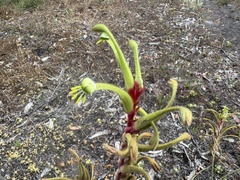 Anigozanthos bicolor Little kangaroo-paw Photo: CC BY, Ann Bentley
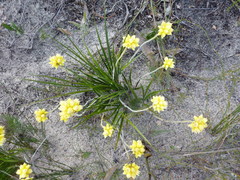 Conostylis aculeata Prickly Conostylis Photo: CC BY, Murray NZ
 Anigozanthos gabrielae Dwarf Kangaroo Paw Photo: CC BY-SA, Alexey Yakovlev
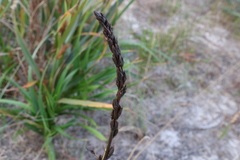 Haemodorum spicatum Photo: CC BY-SA, Greg Tasney
 Haemodorum brevisepalum Photo: CC BY, Kevin Thiele from Perth, Australia
Grown: iNaturalist's observations of the species marked captive or cultivated; "not counted" where the species list does not count it. Native ranges: Kew's World Checklist of Vascular Plants (Govaerts et al., CC BY 4.0), file of 4 June 2026. Grown: iNaturalist's observations marked captive or cultivated, counted 17 October 2026 (the species list's count). Habitat climate known: the species page has a habitat climate, read from CHELSA's monthly climate and NASA POWER's daily extremes at its well-placed wild records inside Kew's native range; each page says its own sources and days. Record low: the lowest night in NASA POWER's daily series at the habitat's typical spot, as the species page gives it, held in °C to a tenth and shown in your units; each page says its own years and day read. Counts as the reference built on 19 November 2026 holds them. The CSV holds every result, not only this page's.