Ophioglossaceae
16 species in 3 genera · 16 with a habitat climate · 14 grown, per iNaturalist, 2 not counted
Most native to: China South-Central 9Japan 9China Southeast 8East Himalaya 7Taiwan 7Illinois 6Indiana 6Korea 6North Carolina 6Ohio 6Pennsylvania 6Virginia 6
A species counts in every region it is native to. Native ranges: Kew's World Checklist of Vascular Plants (Govaerts et al., CC BY 4.0), file of 4 June 2026.
16 species
Ophioglossaceae
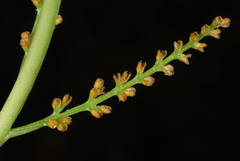 Botrychium virginianum Rattlesnake fern Photo: CC BY-SA, Douglas Goldman
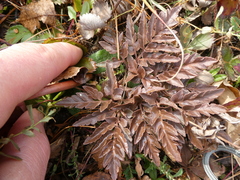 Botrychium dissectum Cutleaf grapefern Photo: CC0, Bruce Cook
 Ophioglossum petiolatum Longstem adderstongue Photo: CC BY, 潘立傑 LICHIEH_PAN
 Ophioglossum pendulum Old World adderstongue Photo: CC BY, Forest & Kim Starr
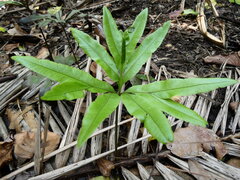 Helminthostachys zeylanica Kamraj Photo: CC BY-SA, Steve Fitzgerald
 Ophioglossum vulgatum Adder's-tongue Photo: CC BY, Roman
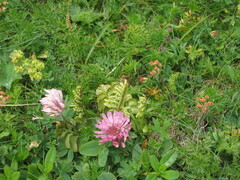 Botrychium lunaria Moonwort Photo: CC BY, zebedeugalinha
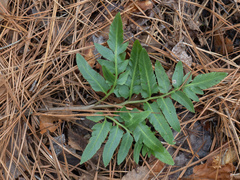 Botrychium biternatum Sparselobe grapefern Photo: CC BY-SA, Turner Brockman
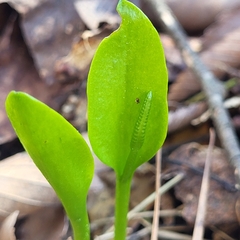 Ophioglossum pycnostichum Photo: CC BY, Jeff Wilson
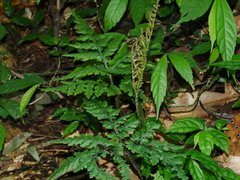 Botrychium formosanum Photo: CC BY, Jacy Chen
 Botrychium japonicum Photo: CC BY-SA, harum.koh
 Botrychium ternatum Photo: CC BY-SA, Qwert1234
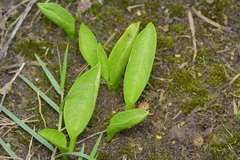 Ophioglossum engelmannii Limestone adder's-tongue Photo: CC BY, Michelle W. (鍾偉瑋)
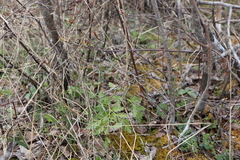 Botrychium multifidum Leathery grapefern Photo: CC BY-SA, Henry "Nick" Robertson
- no open photograph on file Ophioglossum costatum Large adder's tongue
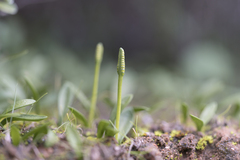 Ophioglossum lusitanicum Least adder's-tongue Photo: CC BY, Eleftherios Katsillis
Grown: iNaturalist's observations of the species marked captive or cultivated; "not counted" where the species list does not count it. Native ranges: Kew's World Checklist of Vascular Plants (Govaerts et al., CC BY 4.0), file of 4 June 2026. Grown: iNaturalist's observations marked captive or cultivated, counted 17 October 2026 (the species list's count). Habitat climate known: the species page has a habitat climate, read from CHELSA's monthly climate and NASA POWER's daily extremes at its well-placed wild records inside Kew's native range; each page says its own sources and days. Record low: the lowest night in NASA POWER's daily series at the habitat's typical spot, as the species page gives it, held in °C to a tenth and shown in your units; each page says its own years and day read. Counts as the reference built on 19 November 2026 holds them. The CSV holds every result, not only this page's.