Pittosporaceae
71 species in 7 genera · 56 with a habitat climate · 69 grown, per iNaturalist, 2 not counted
Most native to: New Zealand North 17Queensland 15New South Wales 13Victoria 11New Zealand South 9China Southeast 8China South-Central 7New Caledonia 7Tasmania 7Western Australia 7Hawaii 5South Australia 5
A species counts in every region it is native to. Native ranges: Kew's World Checklist of Vascular Plants (Govaerts et al., CC BY 4.0), file of 4 June 2026.
71 species
Pittosporaceae
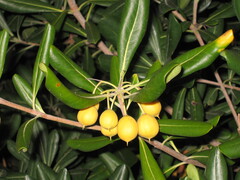 Pittosporum tobira Japanese cheesewood Photo: CC BY, zebedeugalinha
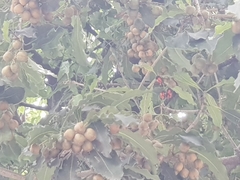 Pittosporum undulatum Australian cheesewood Photo: CC BY-SA, Martín Sánchez Vilchis
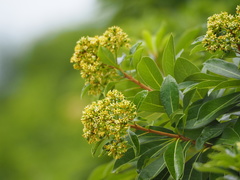 Pittosporum pentandrum Taiwanese cheesewood Photo: CC0, 葉子
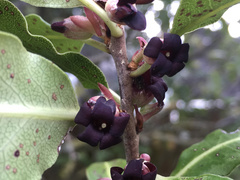 Pittosporum tenuifolium Kohuhu Photo: CC BY, Jon Sullivan
Pittosporum crassifolium Karo Photo: CC BY, Jon Sullivan
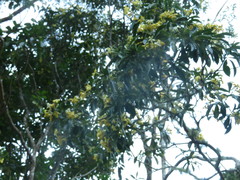 Hymenosporum flavum Native Frangipani Photo: CC BY, William Brockelsby
Pittosporum eugenioides Lemonwood Photo: CC BY, Jon Sullivan
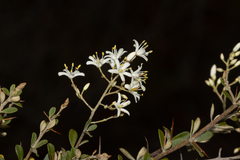 Bursaria spinosa Sweet bursaria Photo: CC BY, T. Hammer
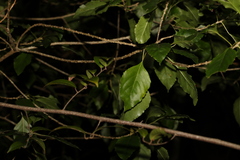 Auranticarpa rhombifolia Diamond-leaf-laurel Photo: CC BY-SA, Greg Tasney
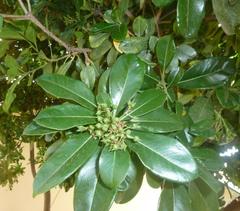 Pittosporum viridiflorum Cape cheesewood Photo: CC BY-SA, M Kriek
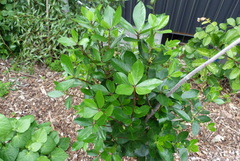 Pittosporum cornifolium Perching kohukohu Photo: CC BY-SA, Colin Meurk
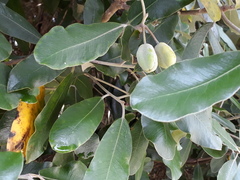 Pittosporum ralphii Ralph's desertwillow Photo: CC BY, Doug Miller
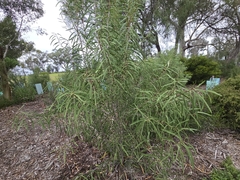 Pittosporum angustifolium Weeping pittosporum Photo: CC BY, Josh
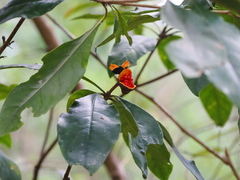 Pittosporum revolutum Brisbane-laurel Photo: CC BY, Lucas Christofides
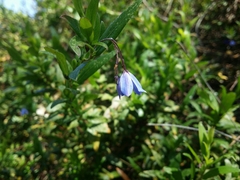 Billardiera heterophylla Bluebell creeper Photo: CC BY, Helium Luo
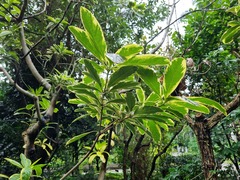 Pittosporum moluccanum Photo: CC BY, Cesar Ormazabal
 Pittosporum heterophyllum Photo: CC BY, A. Barra
 Pittosporum obcordatum Heart-leaved Kohuhu Photo: CC BY, John Barkla
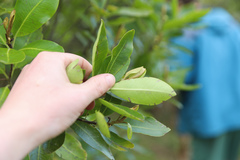 Pittosporum colensoi Photo: CC BY, Jordyn Ashcroft
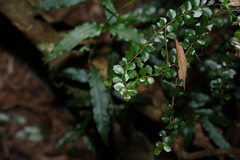 Pittosporum multiflorum Orange thorn Photo: CC BY-SA, Greg Tasney
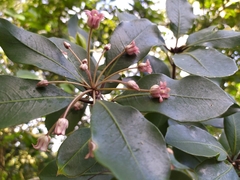 Pittosporum umbellatum Photo: CC BY, Paul Bell-Butler
Pittosporum cherrieri Photo: CC BY-SA, Coordination Endemia
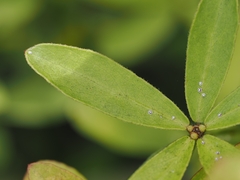 Pittosporum pimeleoides Photo: CC BY, Angus Campbell
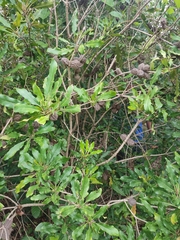 Pittosporum brevispinum Photo: CC0, Isabelle Soccioi
 Pittosporum patulum Pitpat Photo: CC BY, John Barkla
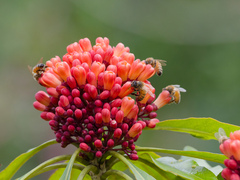 Pittosporum coccineum Photo: CC BY, Donald Davesne
 Billardiera mutabilis Common Apple-berry Photo: CC0, Darcy Nugent
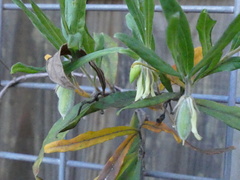 Billardiera scandens Apple-berry Photo: CC0, John Cull
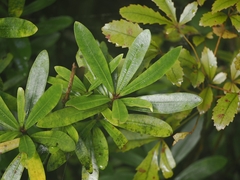 Pittosporum kirkii Photo: CC BY, Angus Campbell
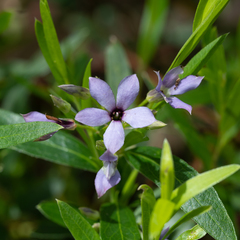 Billardiera cymosa Photo: CC BY, Kym Nicolson
- no open photograph on file Pittosporum tanianum
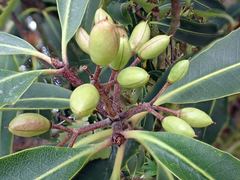 Pittosporum dallii Kahurangi pittosporum Photo: CC0, Peter de Lange
 Pittosporum ferrugineum Rusty Pittosporum Photo: CC BY-SA, Mark Marathon
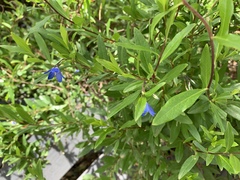 Billardiera fusiformis Australian Bluebell Photo: CC BY, Dylan Wishart
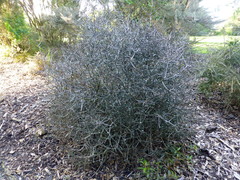 Pittosporum anomalum Photo: CC BY, Murray NZ
 Pittosporum fairchildii Fairchild's Kohuhu Photo: CC BY-SA, Krzysztof Ziarnek, Kenraiz
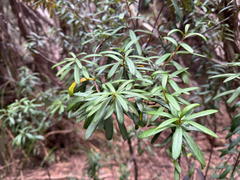 Pittosporum bicolor Banyalla Photo: CC BY, Caleb Catto
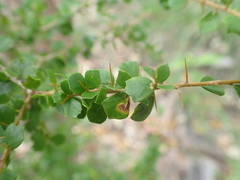 Pittosporum spinescens Large-fruited Orange Thorn Photo: CC0, Stuart
 Pittosporum turneri Tent pole tree Photo: CC BY, John Barkla
 Pittosporum hosmeri Kona cheesewood Photo: CC BY, David Eickhoff from Pearl City, Hawaii…
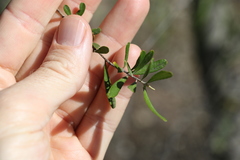 Bursaria incana Mock Orange Photo: CC BY-SA, Greg Tasney
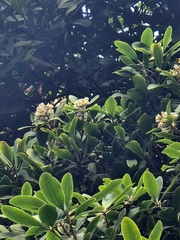 Pittosporum coriaceum Madeira Pittosporum Photo: CC BY, Vítor Jorge
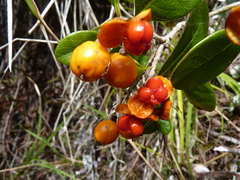 Pittosporum senacia Photo: CC BY, Adrien Jailloux
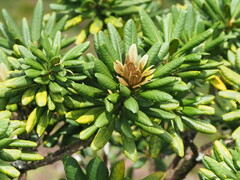 Pittosporum confertiflorum Ho'awa Photo: CC BY, Kevin Faccenda
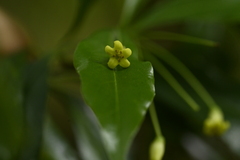 Pittosporum illicioides Photo: CC BY, 曾昱承 Yu-Cheng Zeng
 Billardiera longiflora Mountain blue berry Photo: CC BY-SA, Miguel de Salas
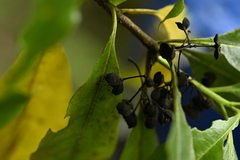 Pittosporum daphniphylloides Photo: CC BY, 曾昱承 Yu-Cheng Zeng
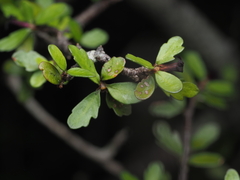 Pittosporum divaricatum Photo: CC BY, Saryu Mae 前 朝琉
Grown: iNaturalist's observations of the species marked captive or cultivated; "not counted" where the species list does not count it. Native ranges: Kew's World Checklist of Vascular Plants (Govaerts et al., CC BY 4.0), file of 4 June 2026. Grown: iNaturalist's observations marked captive or cultivated, counted 17 October 2026 (the species list's count). Habitat climate known: the species page has a habitat climate, read from CHELSA's monthly climate and NASA POWER's daily extremes at its well-placed wild records inside Kew's native range; each page says its own sources and days. Record low: the lowest night in NASA POWER's daily series at the habitat's typical spot, as the species page gives it, held in °C to a tenth and shown in your units; each page says its own years and day read. Counts as the reference built on 19 November 2026 holds them. The CSV holds every result, not only this page's.