Primulaceae
499 species in 33 genera · 371 with a habitat climate · 312 grown, per iNaturalist, 187 not counted
Most native to: China South-Central 117Tibet 84East Himalaya 68Italy 65Nepal 64France 58Myanmar 55Austria 52China Southeast 49Switzerland 47Yugoslavia 47Iran 46
A species counts in every region it is native to. Native ranges: Kew's World Checklist of Vascular Plants (Govaerts et al., CC BY 4.0), file of 4 June 2026.
499 species
Primulaceae
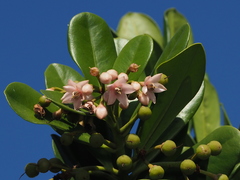 Ardisia elliptica Shoe-button ardisia Photo: CC0, 葉子
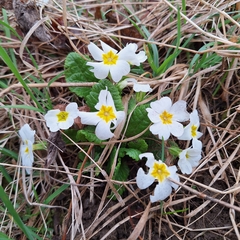 Primula vulgaris English primrose Photo: CC BY, Marek Hrušovský
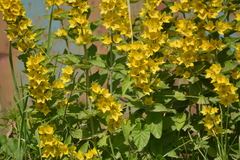 Lysimachia punctata Dotted loosestrife Photo: CC BY, Ульяна Лалак
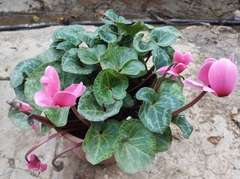 Cyclamen persicum Florist's cyclamen Photo: CC BY, Maria Luisa Bravo Alarcon
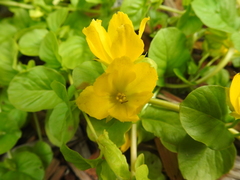 Lysimachia nummularia Creeping-Jenny Photo: CC BY-SA, Old Goat
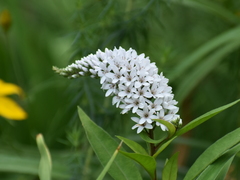 Lysimachia clethroides Gooseneck yellow loosestrife Photo: CC BY, Tyler Ekholm
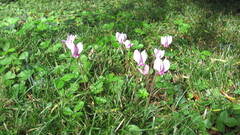 Cyclamen hederifolium Sowbread Photo: CC BY, zebedeugalinha
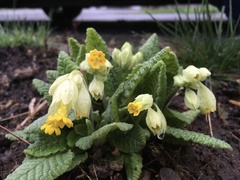 Primula veris Cowslip Photo: CC BY, Ian Manning
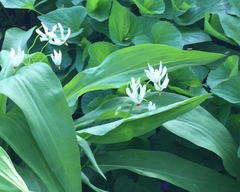 Primula meadia Common shootingstar Photo: CC BY, aberkov
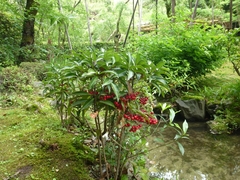 Ardisia crenata Hen's eyes Photo: CC BY, Giuseppe Rizzo
 Primula japonica Japanese cowslip Photo: CC BY, Yoshimasa Uchiyama
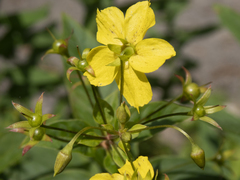 Lysimachia ciliata Fringed loosestrife Photo: CC BY, Randy A Nonenmacher
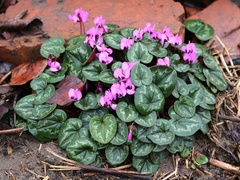 Cyclamen coum Eastern sowbread Photo: CC BY, Юрий Данилевский (Yuriy Danilevsky)
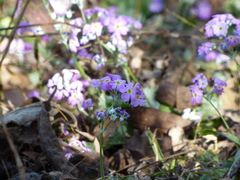 Primula malacoides Baby primrose Photo: CC BY, Tony King
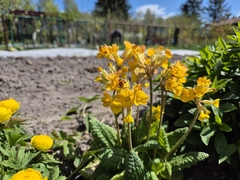 Primula × polyantha False oxlip Photo: CC BY, Bobo-X
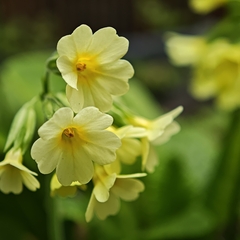 Primula elatior Oxlip Photo: CC BY, Evelyn Gussmann
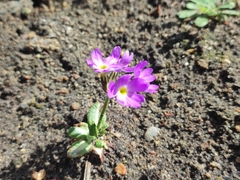 Primula denticulata Drumstick Primrose Photo: CC BY, Anastasiia Samokhvalova
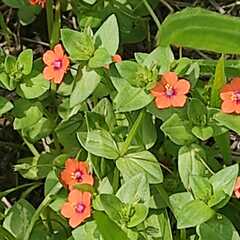 Lysimachia arvensis Scarlet pimpernel Photo: CC BY, Marianna Boi
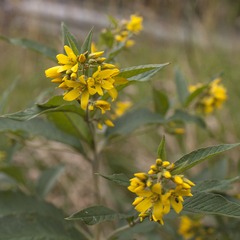 Lysimachia vulgaris Yellow loosestrife Photo: CC BY, Tim Johnson
 Ardisia escallonioides Island marlberry Photo: CC BY, Katja Schulz
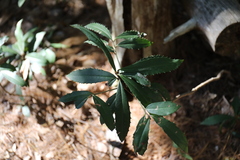 Ardisia cornudentata Photo: CC BY, Yu-Chang Chen
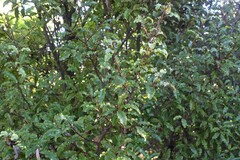 Myrsine australis Mapou Photo: CC BY, Jon Sullivan
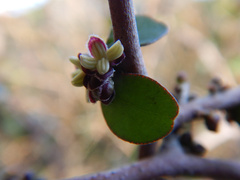 Myrsine divaricata Weeping Mapou Photo: CC BY, Jon Sullivan
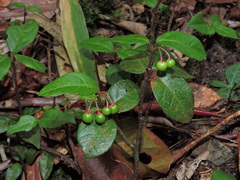 Ardisia japonica Marlberry Photo: CC BY, Jacy Chen
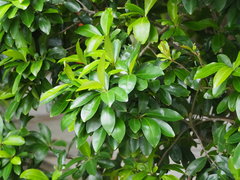 Ardisia sieboldii Siebold Ardisia Photo: CC0, 葉子
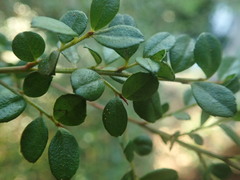 Myrsine africana African boxwood Photo: CC BY-SA, Nanna Joubert
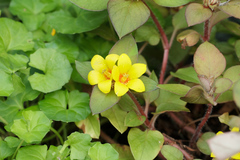 Lysimachia congestiflora Dense-flowered loosestrife Photo: CC BY, Victor Engel
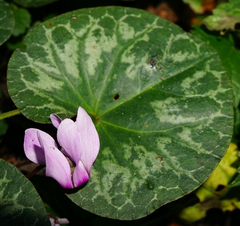 Cyclamen purpurascens European Cyclamen Photo: CC BY, Patrick Hacker
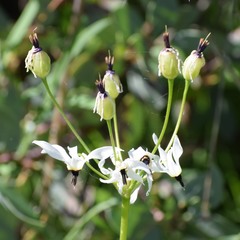 Primula hendersonii Photo: CC0, Anne Parsons
 Bonellia macrocarpa Cudjoewood Photo: CC BY, Viacheslav Shalisko
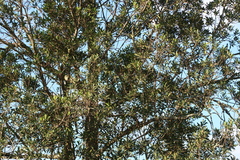 Myrsine melanophloeos Photo: CC0, Di Turner
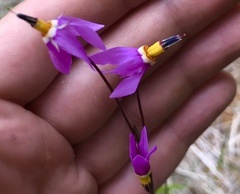 Primula pauciflora Photo: CC BY, Caleb Catto
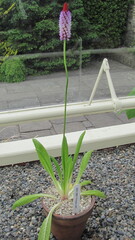 Primula vialii Orchid Primrose Photo: CC BY, zebedeugalinha
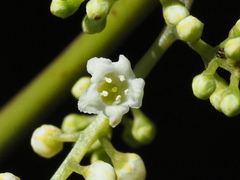 Maesa perlarius Photo: CC0, 葉子
 Elingamita johnsonii Elingamita Photo: CC BY, Jacqui Geux
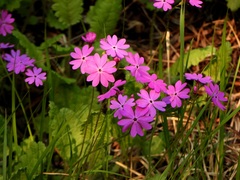 Primula sieboldii Japanese primrose Photo: CC BY, Анна Васильченко
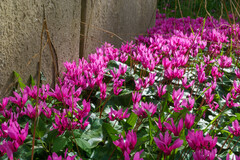 Cyclamen repandum Spring sowbread Photo: CC BY, Derek Winterburn
 Primula obconica German primrose Photo: CC BY-SA, Balaji Kasirajan
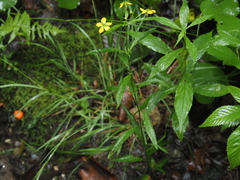 Lysimachia lanceolata Lance-leaved yellow loosestrife Photo: CC BY, carter
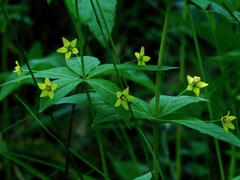 Lysimachia quadrifolia Whorled loosestrife Photo: CC BY, Michael J. Papay
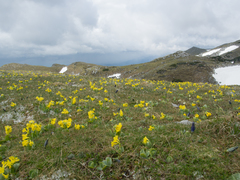 Primula auricula Auricula Photo: CC BY, carnifex
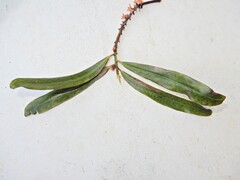 Myrsine salicina Toro Photo: CC BY, Grey Smith
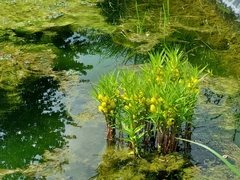 Lysimachia thyrsiflora Tufted loosestrife Photo: CC BY, J V
 Primula bulleyana Bulley's Primrose Photo: CC BY-SA, Ghislain118 (AD)…
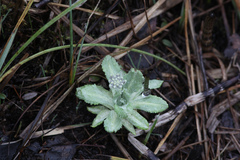 Primula farinosa Bird's-eye Primrose Photo: CC BY-SA, Veljo Runnel
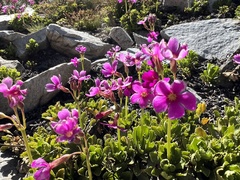 Primula suffrutescens Sierra primrose Photo: CC BY, Andrew Lie
 Ardisia humilis Low shoebutton Photo: CC BY-SA, Misolonax
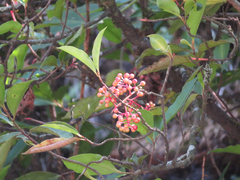 Ardisia compressa Photo: CC BY, Peter Quakenbush
Grown: iNaturalist's observations of the species marked captive or cultivated; "not counted" where the species list does not count it. Native ranges: Kew's World Checklist of Vascular Plants (Govaerts et al., CC BY 4.0), file of 4 June 2026. Grown: iNaturalist's observations marked captive or cultivated, counted 17 October 2026 (the species list's count). Habitat climate known: the species page has a habitat climate, read from CHELSA's monthly climate and NASA POWER's daily extremes at its well-placed wild records inside Kew's native range; each page says its own sources and days. Record low: the lowest night in NASA POWER's daily series at the habitat's typical spot, as the species page gives it, held in °C to a tenth and shown in your units; each page says its own years and day read. Counts as the reference built on 19 November 2026 holds them. The CSV holds every result, not only this page's.