Rhamnaceae
205 species in 38 genera · 195 with a habitat climate · 190 grown, per iNaturalist, 15 not counted
Most native to: California 44Mexico Northwest 30Mexico Northeast 24China Southeast 21China South-Central 19Cape Provinces 18China North-Central 17Victoria 17New South Wales 16Mexico Southwest 15Texas 15Mexico Gulf 14
A species counts in every region it is native to. Native ranges: Kew's World Checklist of Vascular Plants (Govaerts et al., CC BY 4.0), file of 4 June 2026.
205 species
Rhamnaceae
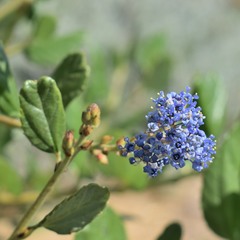 Ceanothus thyrsiflorus Blue blossom ceanothus Photo: CC0, Anne Parsons
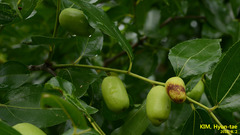 Ziziphus jujuba Common jujube Photo: CC BY, Kim, Hyun-tae
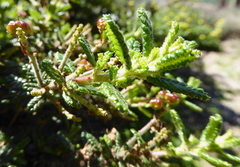 Ceanothus papillosus Wartleaf ceanothus Photo: CC BY, Rudyard
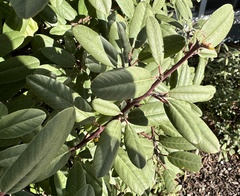 Frangula californica California buckthorn Photo: CC BY, Henrik Kibak
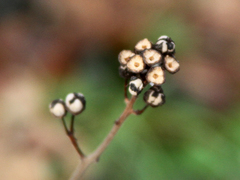 Ceanothus americanus New Jersey tea Photo: CC BY, Randy A Nonenmacher
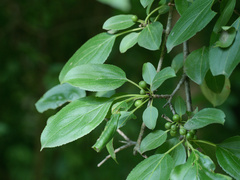 Rhamnus cathartica Buckthorn Photo: CC BY, Daniel Cahen
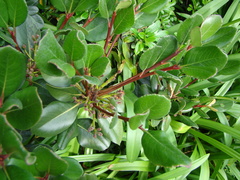 Rhamnus alaternus Mediterranean buckthorn Photo: CC BY, Lisa Bennett
Ceanothus impressus Santa Barbara ceanothus Photo: CC BY, Jon Sullivan
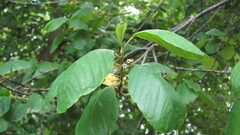 Frangula alnus Glossy buckthorn Photo: CC BY, zebedeugalinha
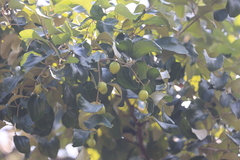 Ziziphus mauritiana Indian jujube Photo: CC BY, 胡正恆(Jackson Hu)
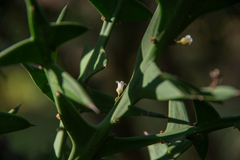 Colletia paradoxa Anchor plant Photo: CC BY, M Rutherford
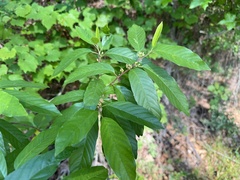 Frangula caroliniana Carolina buckthorn Photo: CC BY, Daniel Patterson
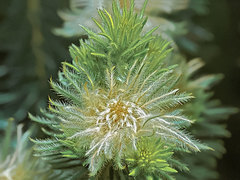 Phylica pubescens Photo: CC0, Boza48
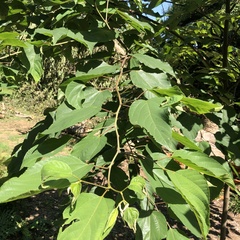 Hovenia dulcis Japanese raisintree Photo: CC BY, Andrew Conboy
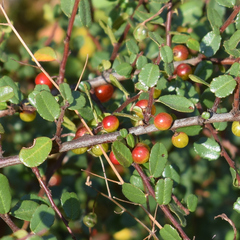 Rhamnus crocea Redberry Buckthorn Photo: CC0, Anne Parsons
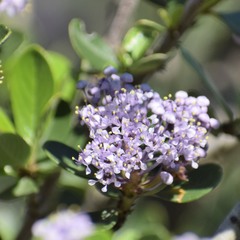 Ceanothus cuneatus Buckbrush ceanothus Photo: CC0, Anne Parsons
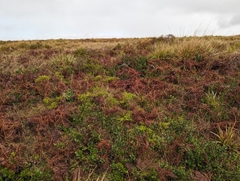 Ceanothus gloriosus Point Reyes ceanothus Photo: CC BY, Alexander Wentworth
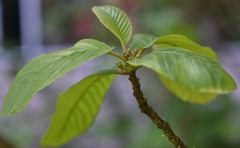 Frangula purshiana Cascara buckthorn Photo: CC BY, Gail A Baker
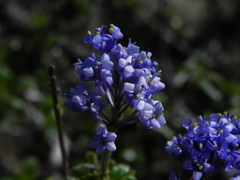 Ceanothus foliosus Wavyleaf ceanothus Photo: CC BY-SA, James C. Davis
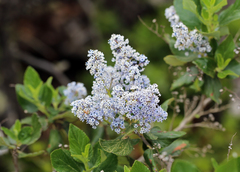 Ceanothus arboreus Felt-leaf ceanothus Photo: CC BY, Steve Matson
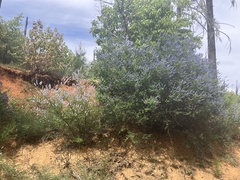 Ceanothus integerrimus Deerbrush ceanothus Photo: CC BY, Aaron Liston
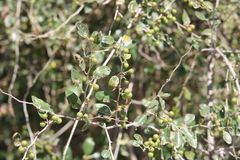 Ziziphus spina-christi Christ's-thorn Photo: CC BY, yelena_antipova
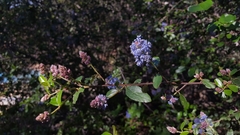 Ceanothus tomentosus Ramona Lilac Photo: CC0, Amthinkia
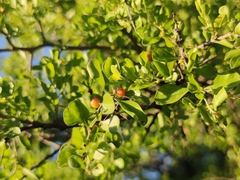 Condalia hookeri Brazilian bluewood Photo: CC BY, Liliana Ramírez-Freire
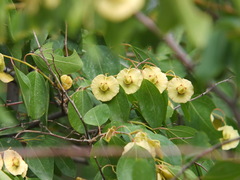 Paliurus spina-christi Christ's thorn Photo: CC BY-SA, Aissa Djamel Filali
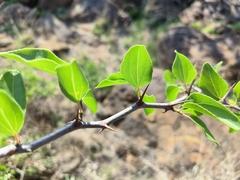 Ziziphus mucronata Buffalo thorn Photo: CC BY, Ricus Nel
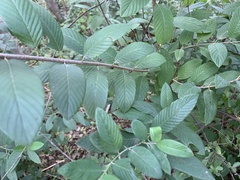 Karwinskia humboldtiana Coyotillo Photo: CC BY, Kane Sandoval
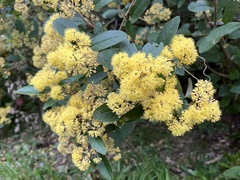 Pomaderris kumeraho Gundigger's Soap Photo: CC BY, Tim Park
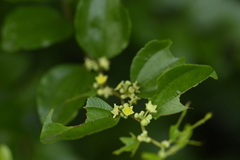 Paliurus ramosissimus Maritime jujuba Photo: CC BY, 曾昱承 Yu-Cheng Zeng
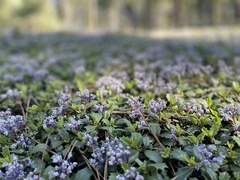 Ceanothus prostratus Mahala-mat Photo: CC BY-SA, Eli Dickerson
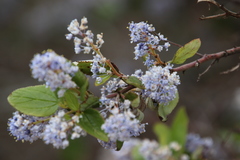 Ceanothus oliganthus Hairy ceanothus Photo: CC BY, Millie Basden
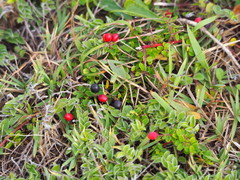 Berchemia lineata Photo: CC0, 葉子
 Ceanothus velutinus Big buck-brush Photo: CC0, Patrick Sowers
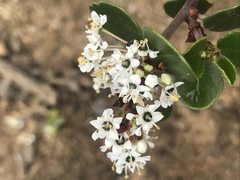 Ceanothus verrucosus Wart-stemmed ceanothus Photo: CC0, Stephanie Taylor
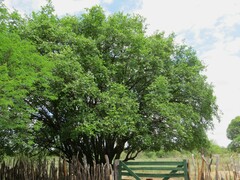 Sarcomphalus joazeiro Photo: CC BY-SA, Gustavo Sandres
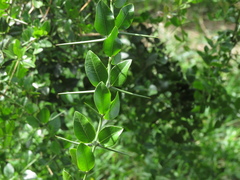 Scutia buxifolia Photo: CC BY, Ezequiel Vera
 Krugiodendron ferreum Leadwood Photo: CC BY, Josiah Londerée
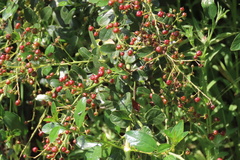 Ceanothus spinosus Greenbark ceanothus Photo: CC BY, Kat B
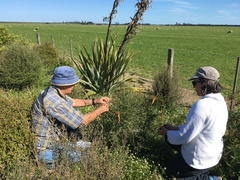 Discaria toumatou Matagouri Photo: CC BY, Jon Sullivan
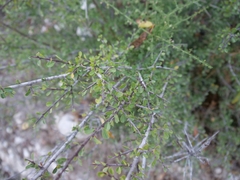 Rhamnus lycioides Photo: CC BY, Marios Thoma
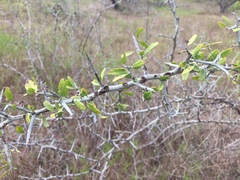 Condaliopsis obtusifolia Photo: CC BY, Clifton Ladd, C.W.B.
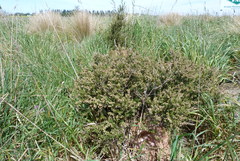 Pomaderris amoena Tauhinu Photo: CC BY-SA, Colin Meurk
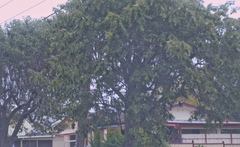 Alphitonia excelsa Red ash Photo: CC BY, Jon Sullivan
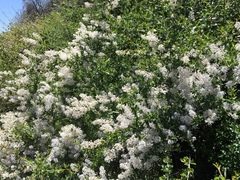 Ceanothus leucodermis Chaparral whitethorn Photo: CC BY, Casey Schreiner
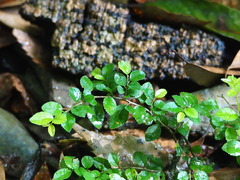 Sageretia thea Pauper's-tea Photo: CC0, 葉子
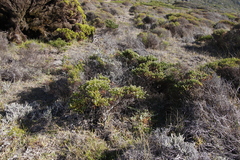 Phylica ericoides Photo: CC BY-SA, Tony Rebelo
 Phyllogeiton discolor Mountain Date Photo: CC BY, i_c_riddell
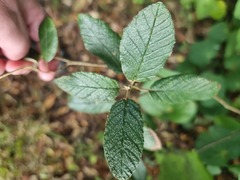 Pomaderris apetala Hazel pomaderris Photo: CC BY, Emily Roberts
Grown: iNaturalist's observations of the species marked captive or cultivated; "not counted" where the species list does not count it. Native ranges: Kew's World Checklist of Vascular Plants (Govaerts et al., CC BY 4.0), file of 4 June 2026. Grown: iNaturalist's observations marked captive or cultivated, counted 17 October 2026 (the species list's count). Habitat climate known: the species page has a habitat climate, read from CHELSA's monthly climate and NASA POWER's daily extremes at its well-placed wild records inside Kew's native range; each page says its own sources and days. Record low: the lowest night in NASA POWER's daily series at the habitat's typical spot, as the species page gives it, held in °C to a tenth and shown in your units; each page says its own years and day read. Counts as the reference built on 19 November 2026 holds them. The CSV holds every result, not only this page's.