Acanthocereus
8 species in the reference · family Cactaceae · 6 with a habitat climate · 8 grown, per iNaturalist
About the genus
Acanthocereus is a genus of cacti. Its species take the form of shrubs with arching or climbing stems up to several meters in height. The generic name is derived from the Greek word άκανθα (acantha), meaning spine, and the Latin word cereus, meaning candle. The genus is native to the mostly tropical Americas from Texas and the southern tip of Florida to the northern part of South America (Colombia and Venezuela), including islands of the Caribbean.
Quoted from Wikipedia, "Acanthocereus", its opening paragraph, revision 1329344701, read 2026-11-08, CC BY-SA 4.0.
Where Acanthocereus is native
| Mexico Southwest | 6 |
|---|---|
| Guatemala | 3 |
| Honduras | 3 |
| Mexico Southeast | 3 |
| Costa Rica | 2 |
| El Salvador | 2 |
| Mexico Northwest | 2 |
| Nicaragua | 2 |
| Aruba | 1 |
| Belize | 1 |
| Colombia | 1 |
| Cuba | 1 |
Species native to each region. A species counts in every region it is native to. Native ranges: Kew's World Checklist of Vascular Plants (Govaerts et al., CC BY 4.0), file of 4 June 2026.
8 species
Acanthocereus
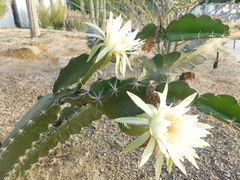 Acanthocereus tetragonus Triangle cactus Photo: CC BY, Jose Luis Leon de la Luz
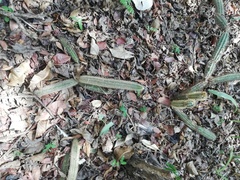 Acanthocereus oaxacensis Photo: CC BY, Carlos Domínguez-Rodríguez
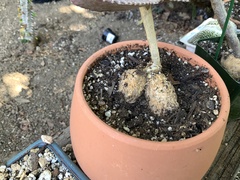 Acanthocereus rosei Photo: CC BY-SA, Jiewen Wang
 Acanthocereus chiapensis Photo: CC BY, Neptalí Ramírez Marcial
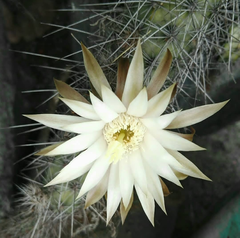 Acanthocereus hirschtianus Photo: CC BY, Ana Luisa Ambrocio
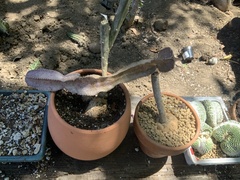 Acanthocereus tepalcatepecanus Photo: CC BY-SA, Jiewen Wang
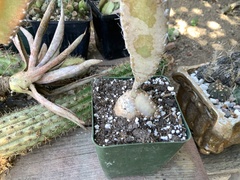 Acanthocereus cuixmalensis Photo: CC BY-SA, Jiewen Wang
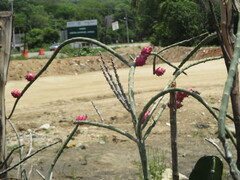 Acanthocereus fosterianus Photo: CC BY, Alexis López Hernández
Grown: iNaturalist's observations of the species marked captive or cultivated; "not counted" where the species list does not count it. Native ranges: Kew's World Checklist of Vascular Plants (Govaerts et al., CC BY 4.0), file of 4 June 2026. Grown: iNaturalist's observations marked captive or cultivated, counted 17 October 2026 (the species list's count). Habitat climate known: the species page has a habitat climate, read from CHELSA's monthly climate and NASA POWER's daily extremes at its well-placed wild records inside Kew's native range; each page says its own sources and days. Record low: the lowest night in NASA POWER's daily series at the habitat's typical spot, as the species page gives it, held in °C to a tenth and shown in your units; each page says its own years and day read. Counts as the reference built on 19 November 2026 holds them. The CSV holds every result, not only this page's.