Acanthophoenix
2 species in the reference · family Arecaceae · 1 with a habitat climate · 2 grown, per iNaturalist
About the genus
Acanthophoenix is a genus of flowering plants in the palm family from the Mascarene Islands in the Indian Ocean, where they are commonly called palmiste rouge. A genus long in flux, three species are currently recognized, though unsustainable levels of harvesting for their edible palm hearts have brought them all to near extinction in their habitat. They are closely related to the Tectiphiala and Deckenia genera, differing in the shape of the staminate flower. The name combines the Greek words for "thorn" and "date palm".
Quoted from Wikipedia, "Acanthophoenix", its opening paragraph, revision 1353323725, read 2026-11-08, CC BY-SA 4.0.
Where Acanthophoenix is native
| Réunion | 2 |
|---|---|
| Mauritius | 1 |
Species native to each region. A species counts in every region it is native to. Native ranges: Kew's World Checklist of Vascular Plants (Govaerts et al., CC BY 4.0), file of 4 June 2026.
2 species
Acanthophoenix
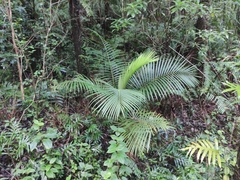 Acanthophoenix rubra Mascarene Islands cabbage palm Photo: CC BY, Augustin Soulard
 Acanthophoenix rousselii Photo: CC BY-SA, RuB
Grown: iNaturalist's observations of the species marked captive or cultivated; "not counted" where the species list does not count it. Native ranges: Kew's World Checklist of Vascular Plants (Govaerts et al., CC BY 4.0), file of 4 June 2026. Grown: iNaturalist's observations marked captive or cultivated, counted 17 October 2026 (the species list's count). Habitat climate known: the species page has a habitat climate, read from CHELSA's monthly climate and NASA POWER's daily extremes at its well-placed wild records inside Kew's native range; each page says its own sources and days. Record low: the lowest night in NASA POWER's daily series at the habitat's typical spot, as the species page gives it, held in °C to a tenth and shown in your units; each page says its own years and day read. Counts as the reference built on 23 November 2026 holds them. The CSV holds every result, not only this page's.